Methodology
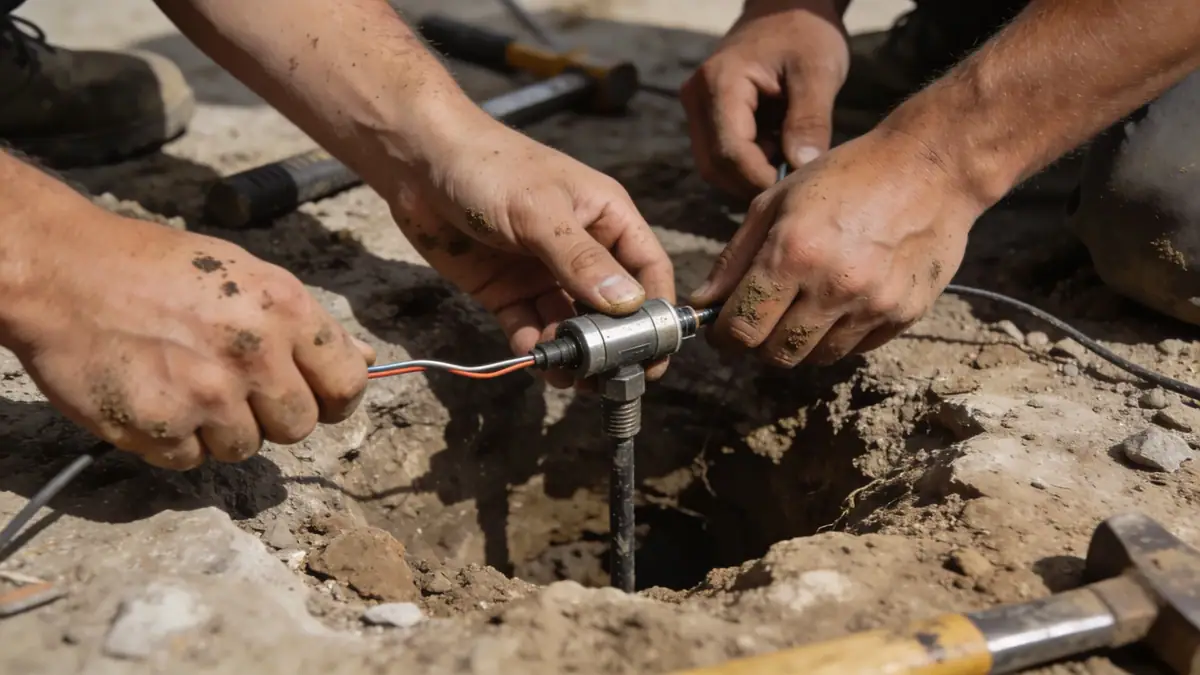
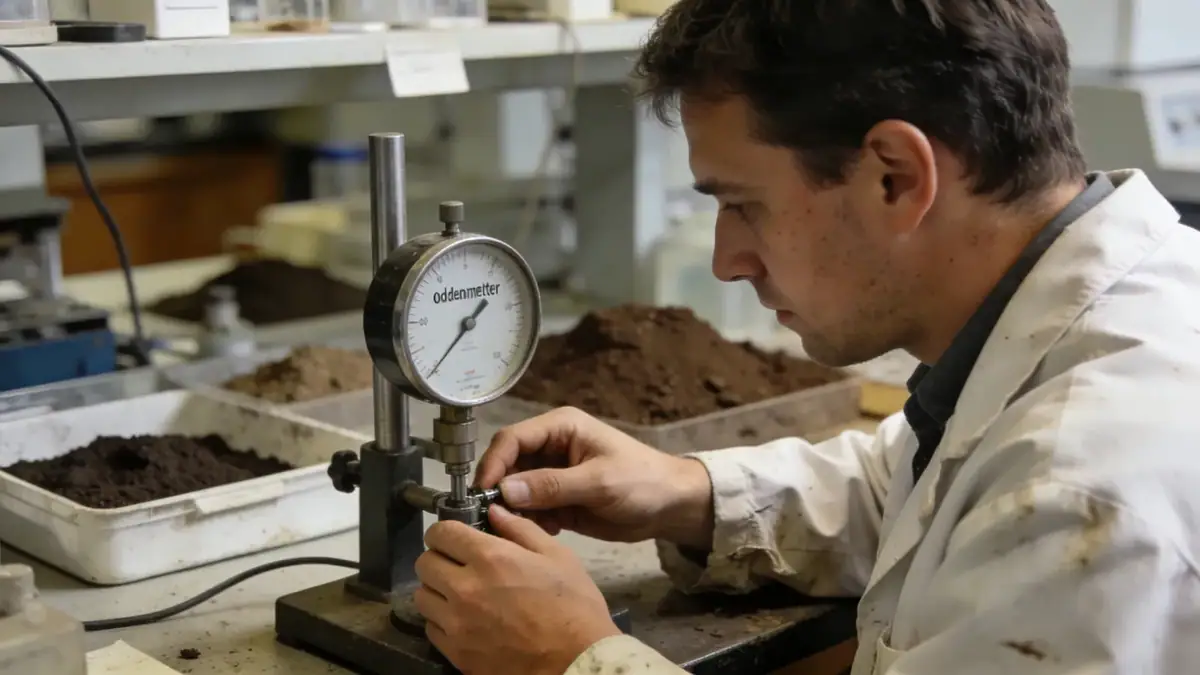
Our methodology for geotechnical engineering in Fremont begins with a detailed desk study of existing geologic maps and records, followed by field investigations including spt boring and cone penetration testing. We perform soil sampling at regular intervals, typically every 1.5 m, in accordance with ASTM D1586. Laboratory testing includes classification, strength, and consolidation tests. Data analysis uses site-specific parameters to develop geotechnical models, which inform foundation and earthwork recommendations. This systematic approach ensures reliable outcomes for diverse projects across Fremont.
Reference Technical Parameters
| Parameter | Reference Value |
|---|---|
| Predominant soil type | Clay and silty clay over alluvial sands and gravels |
| Maximum seismic acceleration (PGA) | 0.4g to 0.6g (ASCE 7-16, Site Class D) |
| Typical groundwater level | 1.5 to 4.6 m below ground surface |
| Bedrock depth | 30 to 60 m (Franciscan Complex) |
| Typical N60 range (SPT) | 5 to 30 blows per 0.3 m |
Local Considerations — Fremont
Fremont's geology comprises alluvial fan deposits from the Niles Cone and Mission Peak foothills, with expansive clays prone to shrink-swell. The shallow groundwater table, often within 3 m, complicates excavation and requires dewatering plans. Seismic hazards are significant due to the nearby Hayward and Calaveras faults; liquefaction potential is high in areas like the Irvington district. Our team addresses these through site-specific studies, referencing ASCE 7-16 seismic maps. For broader context, our geotechnical engineering en Los Angeles experience further informs our seismic design practices.
Request a Quote
Our team reviews your project and issues an initial report at no cost.
Or write us directly at [email protected]
Services in Fremont
Applicable Standards
- ASTM D1586 (Standard Test Method for SPT)
- ASCE 7-16 (Minimum Design Loads and Associated Criteria for Buildings)
- California Building Code (CBC 2022, Chapter 18)
- Caltrans Geotechnical Manual
Frequently Asked Questions
What soil conditions are typical for Fremont?
Fremont soils consist of clay and silty clay over alluvial sands and gravels. Expansive clays are common, requiring attention to foundation design. Groundwater is shallow, often within 1.5 to 4.6 m, influencing excavation and drainage.
Is a geotechnical study required for new construction in Fremont?
Yes, the California Building Code mandates geotechnical investigations for most new buildings. Local jurisdictions in Fremont enforce these requirements, especially in seismic hazard zones. A report is needed for permitting.
How does seismic activity affect Fremont projects?
Fremont lies near active faults, resulting in high seismic accelerations (PGA up to 0.6g). Liquefaction and lateral spreading are concerns in areas with loose sands and high groundwater. Our designs incorporate site-specific seismic analysis per ASCE 7.