
Methodology
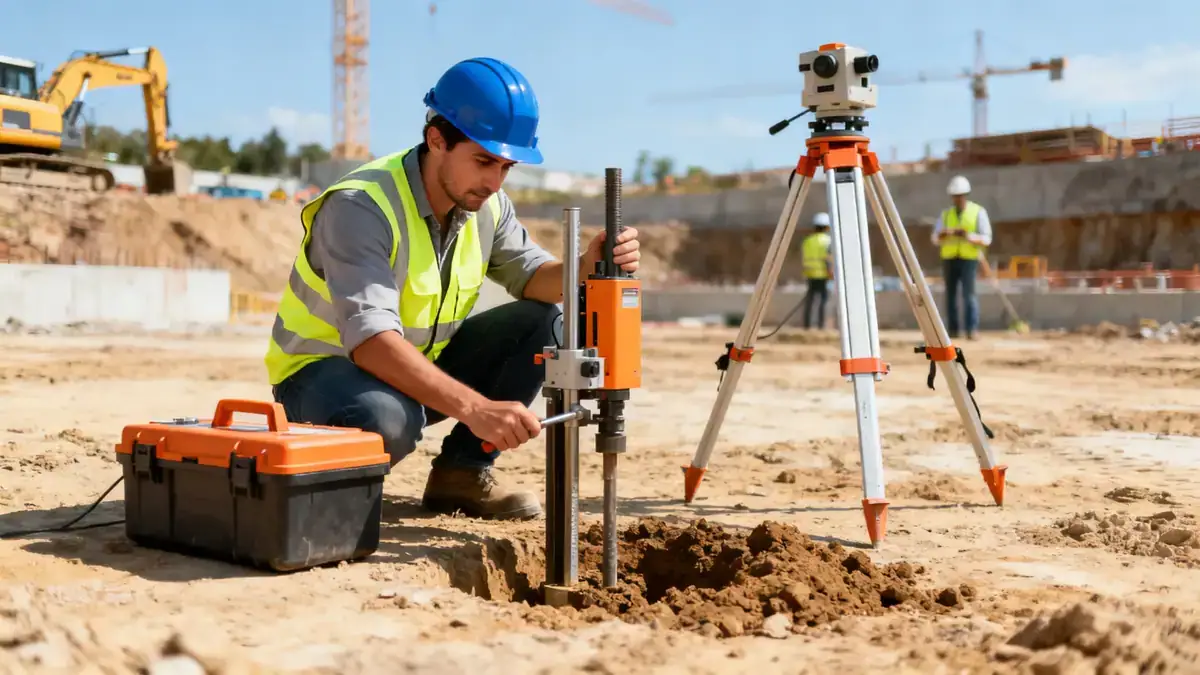
Our methodology for geotechnical investigations in Fresno begins with a thorough review of existing geologic maps and seismic hazard data. We then conduct field exploration programs including spt boring to characterize subsurface stratigraphy and collect disturbed and undisturbed samples. In our soil mechanics laboratory, we perform index properties tests, strength tests, and consolidation tests following ASTM standards. For slope stability and retaining wall design, we utilize limit equilibrium and finite element analyses calibrated with local parameters. All work adheres to the project-specific scope and applicable building codes, with results presented in detailed geotechnical reports that guide foundation and earthwork design.
Reference Technical Parameters
| Parameter | Reference Value |
|---|---|
| Predominant soil type | Silty sand and clay (alluvial fan deposits) |
| Maximum seismic acceleration (PGA) | 0.3g to 0.4g (ASCE 7-16 Site Class D) |
| Typical groundwater level | 10 to 30 meters below ground surface (variable) |
| Bedrock depth | Greater than 50 meters (deep alluvial basin) |
| Typical N60 range (0-15 m depth) | 10 to 30 blows per 0.3 m (medium dense sand) |
Local Considerations — Fresno
Fresno sits atop deep alluvial deposits from the Sierra Nevada, with soils ranging from silty sands to clays. The water table is generally deep but can rise locally due to irrigation. Seismic hazards include moderate ground shaking from nearby faults (e.g., San Andreas, San Joaquin). Liquefaction potential is low except in areas with shallow groundwater. Older neighborhoods may have undocumented fill, requiring careful investigation. Typical projects include single-family homes and warehouses. For broader California context, see our geotechnical engineering services from Los Angeles.
Request a Quote
Our team reviews your project and issues an initial report at no cost.
Or write us directly at [email protected]
Services in Fresno
Applicable Standards
- ASTM D1586 (Standard Penetration Test)
- ASTM D2487 (Unified Soil Classification System)
- ASCE 7-16 (Minimum Design Loads and Associated Criteria)
- California Building Code (Title 24, Part 2)
- FEMA P-749 (Seismic Design of Buildings)
Frequently Asked Questions
What are the typical soil conditions for geotechnical engineering in Fresno?
Fresno soils are predominantly alluvial, consisting of interbedded silty sands, clays, and gravels. The deposits are generally deep, with bedrock often exceeding 50 meters. Groundwater levels vary but are typically deep, reducing liquefaction risk. Our investigations use SPT and laboratory tests to characterize these conditions per ASTM standards.
What seismic design considerations apply in Fresno?
Fresno is in Seismic Zone 3, with a mapped peak ground acceleration of 0.3g to 0.4g for Site Class D. The California Building Code and ASCE 7-16 govern design. Soil amplification and fault proximity are evaluated. Geotechnical reports must include site-specific response spectra per the code.
Are geotechnical studies mandatory for construction in Fresno?
While not always legally required for all projects, most local jurisdictions recommend or require a geotechnical report for new buildings, especially for seismic design. Lenders and insurers often mandate them. Our team can advise on the specific requirements for your project based on local ordinances and site conditions.