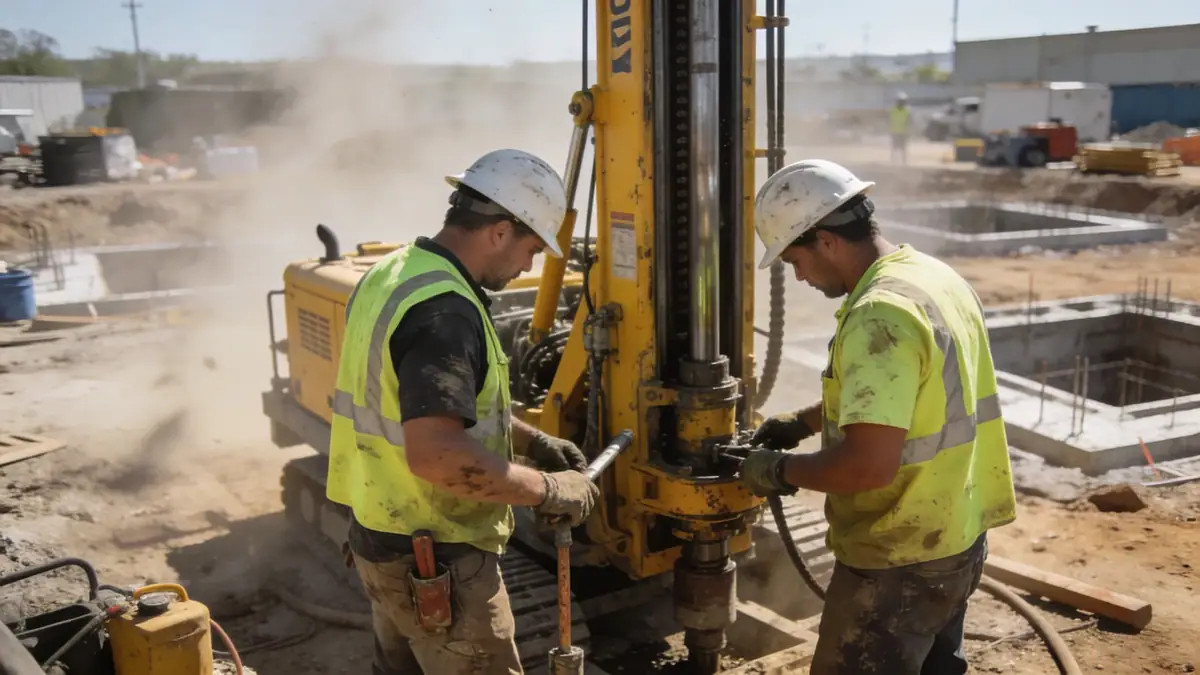
Methodology
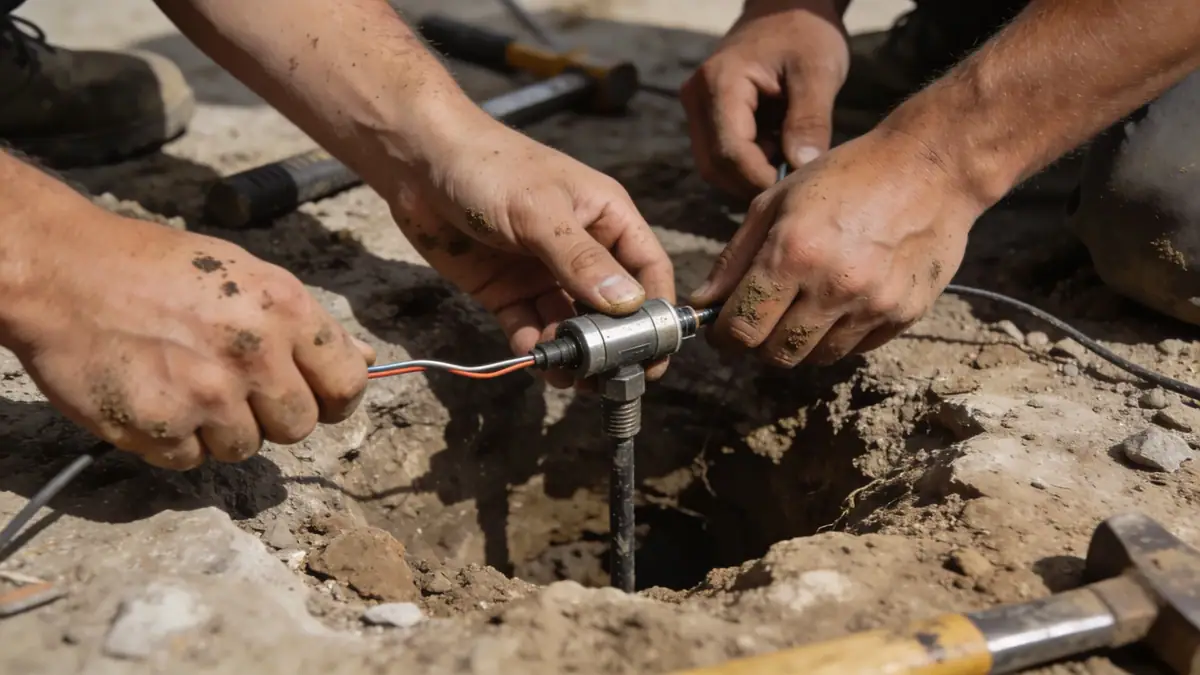
Our methodology for geotechnical engineering in Frisco Texas begins with a comprehensive review of published geological maps and nearby boring logs. Field exploration typically includes spt boring at depths of 6 to 15 m, with sampling intervals per ASTM D1586. Soil samples are classified using visual-manual procedures and laboratory testing for moisture content, Atterberg limits, and unconfined compressive strength. We analyze bearing capacity, settlement, and lateral earth pressures using site-specific parameters. All work follows a quality management system aligned with industry best practices.
Reference Technical Parameters
| Parameter | Reference Value |
|---|---|
| Predominant soil type | Fat clay (CH) over weathered shale |
| Maximum seismic acceleration (PGA) | 0.10g (ASCE 7-22, Site Class D) |
| Typical groundwater level | >15 m below ground surface |
| Bedrock depth | 10 to 20 m (Austin Chalk) |
| Typical N60 range (clay) | 10 to 25 blows/0.3 m |
Local Considerations — Frisco Texas
Frisco's geology features expansive clay soils that require careful moisture control and foundation design. The deep water table reduces liquefaction risk but perched water can occur after heavy rain. Seismic loads are low, but site amplification from soft soils must be considered per ASCE 7. New developments in the north and west often encounter stiffer soils from the Eagle Ford Shale, while older areas near the south have deeper clay deposits. Typical challenges include slab heave due to expansive clays and differential settlement on fill areas. For regional context, our geotechnical engineering en Houston team handles similar clay soils but with higher seismic demands.
Request a Quote
Our team reviews your project and issues an initial report at no cost.
Or write us directly at [email protected]
Services in Frisco Texas
Applicable Standards
- ASTM D1586 (Standard Penetration Test)
- ASCE 7-22 (Minimum Design Loads and Associated Criteria for Buildings)
- IBC 2021 (International Building Code)
Frequently Asked Questions
What are the predominant soil types in Frisco Texas?
Surface soils are primarily fat clays (CH) from the Blackland Prairie, underlain by weathered Eagle Ford Shale and Austin Chalk. These expansive clays require special foundation design to mitigate heave and settlement.
Is a geotechnical study required for new construction in Frisco?
Yes, the City of Frisco requires a geotechnical report for most new buildings, especially those with shallow foundations, to address expansive soil potential and compliance with IBC 2021 and ASCE 7-22.
What seismic zone is Frisco Texas in?
Frisco is in Seismic Design Category B per ASCE 7-22, with a mapped maximum considered earthquake (MCE) PGA of about 0.10g. Site-specific soil amplification may increase design accelerations for soft sites.