Methodology
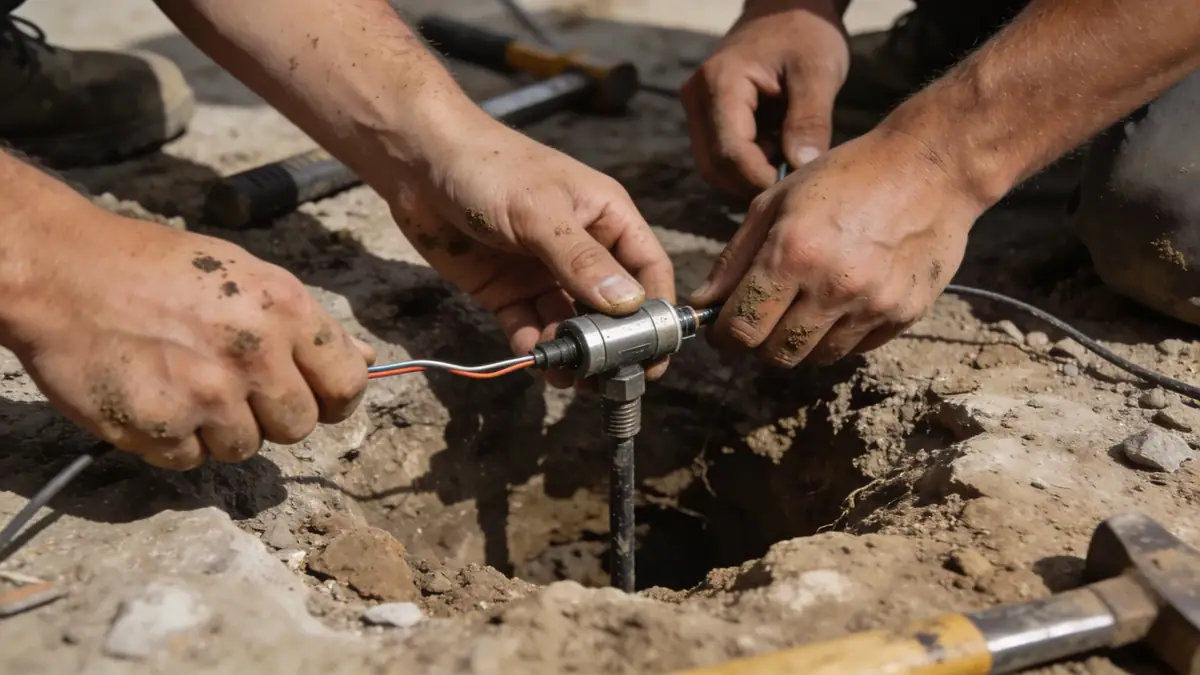
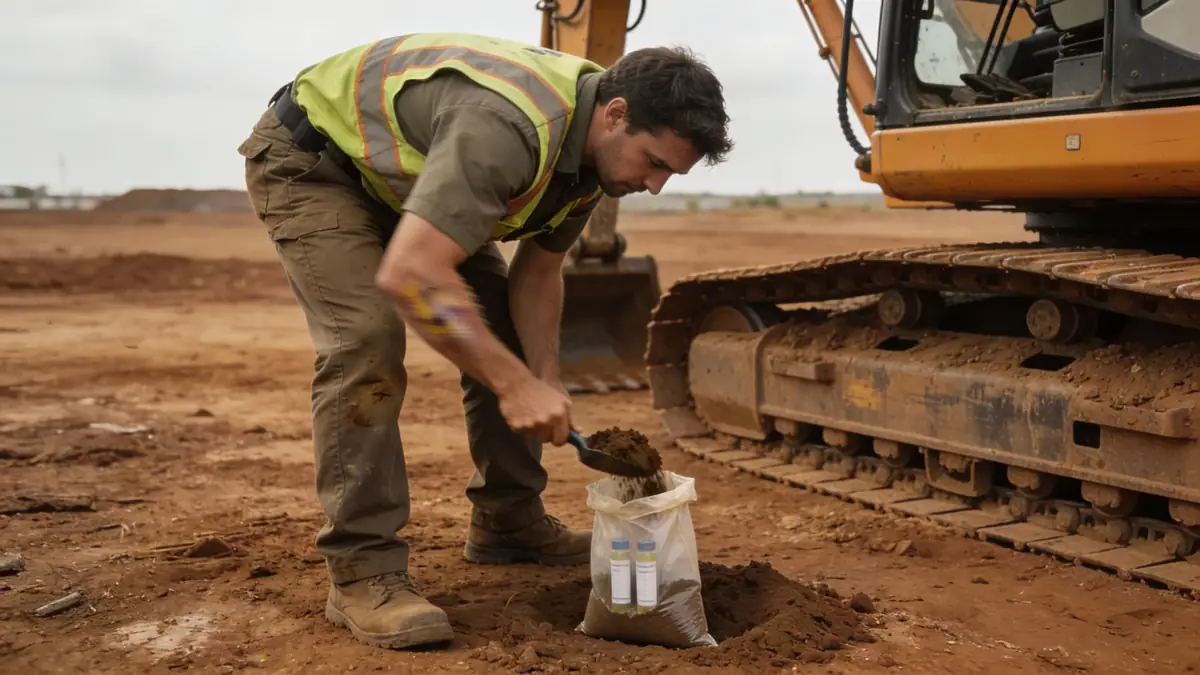
Our methodology for geotechnical engineering in Fullerton begins with a thorough review of existing geological maps and nearby project data. We then perform targeted field investigations, including spt boring to obtain soil samples and measure resistance via standard penetration tests. In the laboratory, we conduct index property tests, consolidation, and direct shear to characterize soil behavior. This integrated approach allows us to develop site-specific soil profiles and parameters, which are essential for foundation design and seismic analysis in accordance with local building codes.
Reference Technical Parameters
| Parameter | Reference Value |
|---|---|
| Predominant Soil Type | Silty sand and clayey sand (SM, SC) |
| Maximum Seismic Acceleration (PGA) | 0.40g (ASCE 7-16) |
| Typical Groundwater Level | 3–6 m below ground surface |
| Bedrock Depth | >30 m (deep alluvium) |
| Typical N60 Range | 10–30 blows/0.3 m (ASTM D1586) |
Local Considerations — Fullerton
Fullerton lies within the Peninsular Ranges geomorphic province, underlain by Quaternary alluvium over older sedimentary units and basement complex. Key considerations include: (1) variable soil types—from sandy to clayey layers—requiring careful profiling; (2) shallow groundwater in some areas, especially near Coyote Creek; (3) moderate seismic hazard from nearby faults (e.g., Whittier fault); (4) contrast between older stable neighborhoods and newer developments on fill; (5) typical projects include residential subdivisions and commercial buildings. For broader context, see our geotechnical engineering en Los Angeles hub. Additional details on soil mechanics laboratory testing are available for site-specific characterization.
Request a Quote
Our team reviews your project and issues an initial report at no cost.
Or write us directly at [email protected]
Services in Fullerton
Applicable Standards
- ASTM D1586 (Standard Penetration Test)
- ASCE 7-16 (Minimum Design Loads for Buildings)
- California Building Code (CBC 2022)
- OSHA 29 CFR 1926 (Excavation Safety)
Frequently Asked Questions
What are the typical soil types encountered in Fullerton?
Fullerton's soils are predominantly Quaternary alluvium, consisting of silty sands, clayey sands, and occasional gravelly layers. These deposits can be heterogeneous, often requiring multiple borings to characterize lateral variability. Deeper strata may include older sedimentary formations and granitic bedrock at depths exceeding 30 meters.
What seismic codes apply to geotechnical engineering in Fullerton?
Projects in Fullerton must comply with the California Building Code (CBC), which references ASCE 7-16 for seismic loads. The site class and spectral accelerations are determined based on subsurface conditions. For most sites, a peak ground acceleration (PGA) of 0.40g is used for design, with site-specific adjustments per Chapter 20 of ASCE 7.
Are geotechnical studies mandatory for construction in Fullerton?
Yes, most building permits require a geotechnical investigation as part of the design process, especially for new structures and additions. The study must address soil bearing capacity, settlement, seismic hazards (liquefaction, slope stability), and provide recommendations for foundations and earthwork. Local building officials review these reports before approving construction.