Methodology
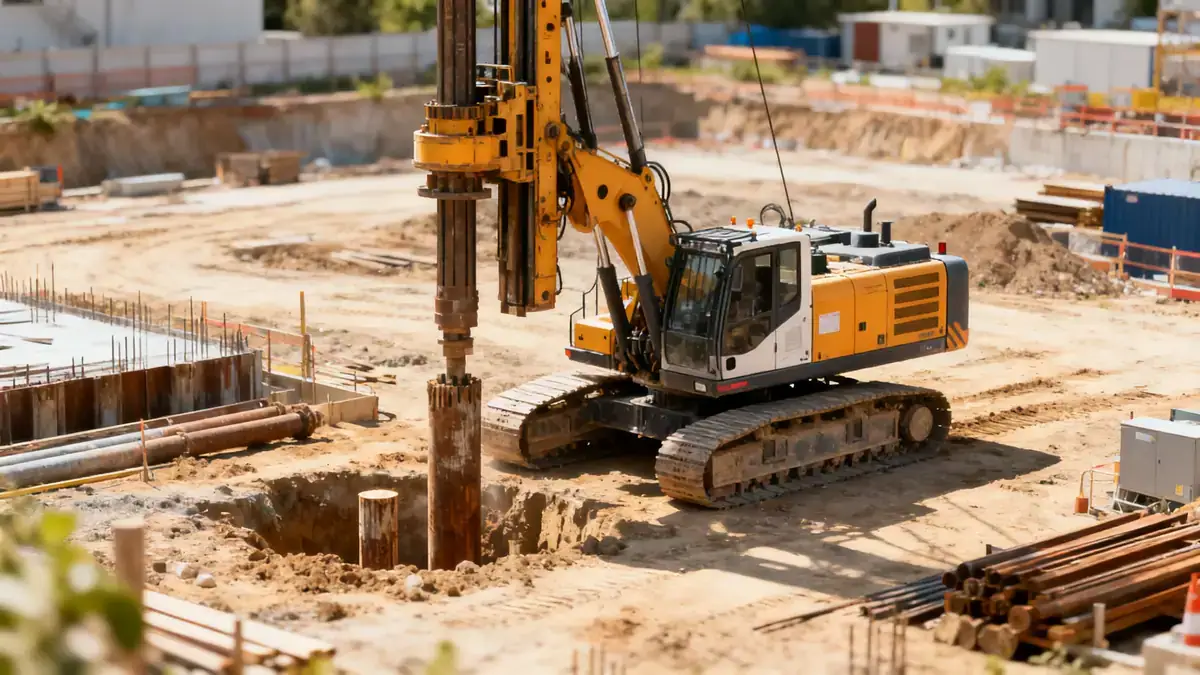
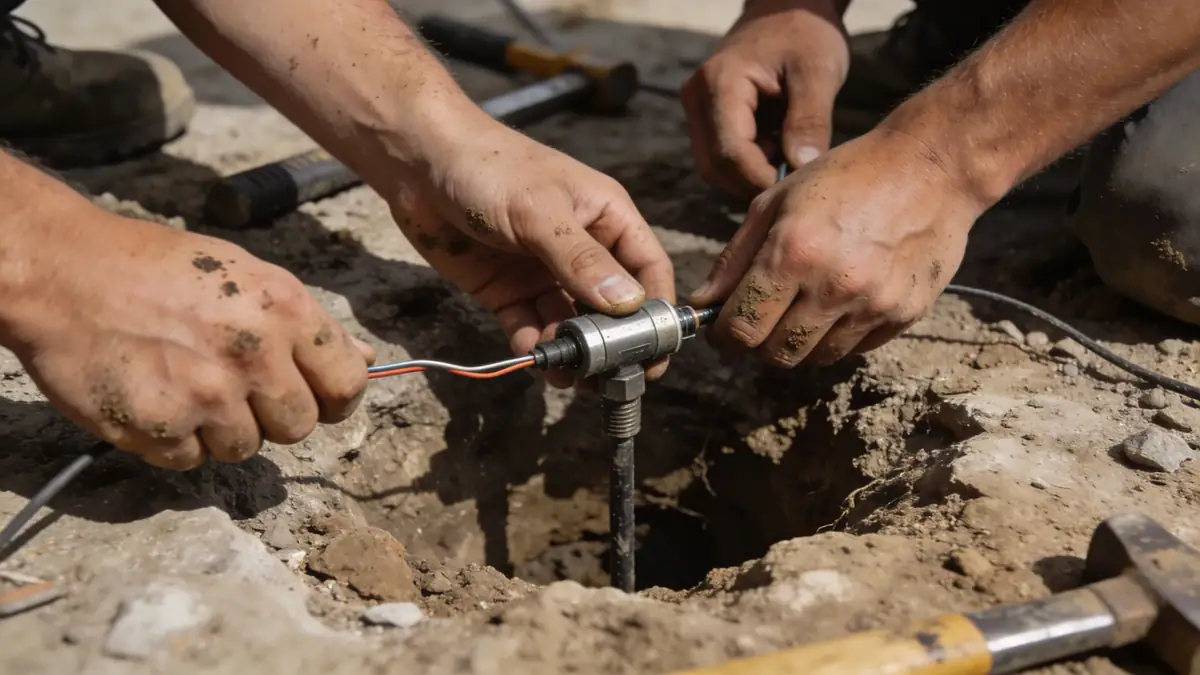
Our approach to geotechnical engineering in Garden Grove begins with a thorough review of local geologic maps and seismic hazard data. We then perform subsurface investigations using methods such as spt boring to characterize soil stratigraphy and groundwater conditions. In the laboratory, we conduct index property tests (ASTM D6913, D7928) and strength tests (D3080) on representative samples. Our team integrates these data with site-specific seismic parameters per ASCE 7 to evaluate liquefaction potential and bearing capacity. This systematic methodology delivers reliable recommendations for foundation design and earthwork in Garden Grove’s variable alluvial environment.
Reference Technical Parameters
| Parameter | Reference Value |
|---|---|
| Predominant Soil Type | Silty sand and clayey silt (alluvial) |
| Maximum Seismic Acceleration (PGA) | 0.4g (ASCE 7 Site Class D) |
| Typical Groundwater Level | 3–6 m below grade |
| Bedrock Depth | >30 m (deep sedimentary basin) |
| Typical N60 Range (SPT) | 5–20 blows/ft (loose to medium dense) |
Local Considerations — Garden Grove
Garden Grove’s geology is dominated by Holocene alluvial deposits of the Santa Ana River floodplain. The soil profile typically consists of interbedded silty sands and clayey silts, with occasional gravel lenses. Groundwater is shallow (3–6 m), requiring dewatering considerations for excavations. Seismic hazard is high due to proximity to the Newport-Inglewood fault; liquefaction potential is significant in saturated sandy layers. Northern areas near the Santa Ana River have looser soils, while southern parts exhibit denser layers. Our team has addressed these conditions in numerous projects, referencing our experience from Los Angeles. We also apply soil mechanics laboratory testing to refine site-specific parameters.
Request a Quote
Our team reviews your project and issues an initial report at no cost.
Or write us directly at [email protected]
Services in Garden Grove
Applicable Standards
- ASTM D1586 (Standard Penetration Test)
- ASCE 7 (Minimum Design Loads for Buildings)
- California Building Code (CBC)
- Caltrans Seismic Design Criteria
Frequently Asked Questions
What are the typical soil conditions in Garden Grove?
Garden Grove’s soils are primarily Holocene alluvial deposits from the Santa Ana River, consisting of interbedded silty sands, clayey silts, and occasional gravel. Groundwater is shallow, typically 3–6 m deep. These conditions require careful evaluation of bearing capacity, settlement, and liquefaction potential.
Why is seismic analysis important for Garden Grove projects?
Garden Grove lies in a high seismic zone near the Newport-Inglewood fault. The 1933 Long Beach earthquake demonstrated the vulnerability of local soils. Seismic analysis per ASCE 7 is essential to assess liquefaction and site amplification, ensuring foundations can withstand expected ground motions.
Are geotechnical studies mandatory for construction in Garden Grove?
Yes, the California Building Code requires a geotechnical investigation for most new structures, especially in Seismic Design Categories D or higher. A site-specific report addressing soil strength, groundwater, and seismic hazards is typically needed for permit approval.