Methodology
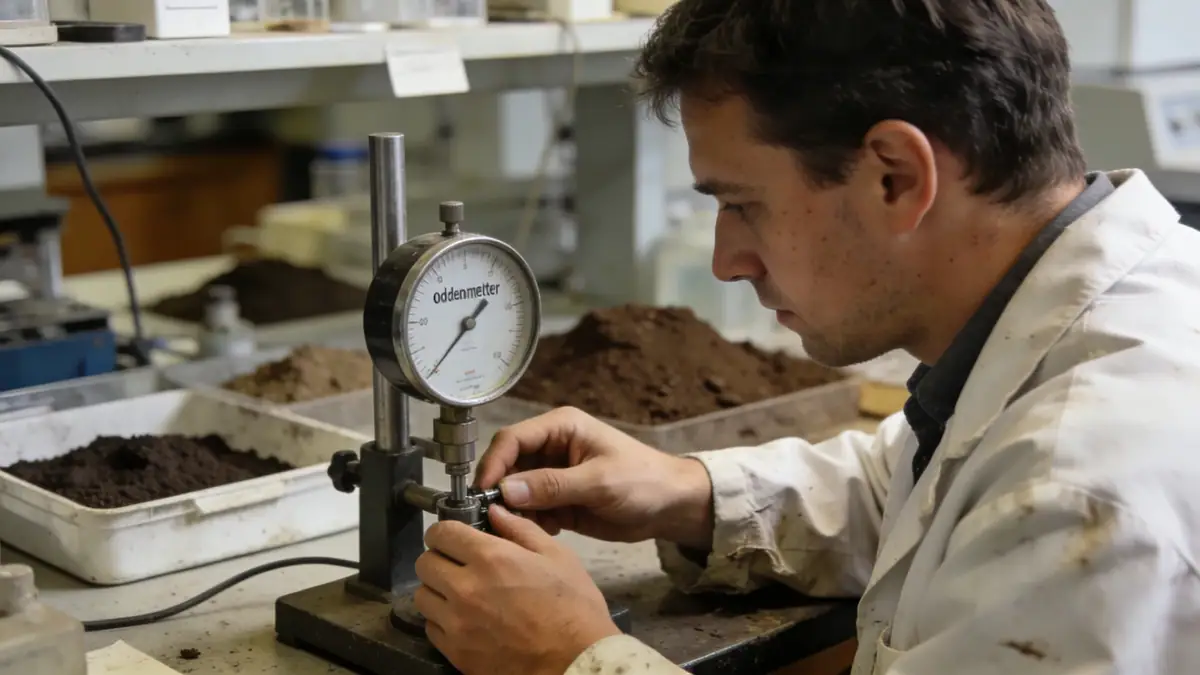
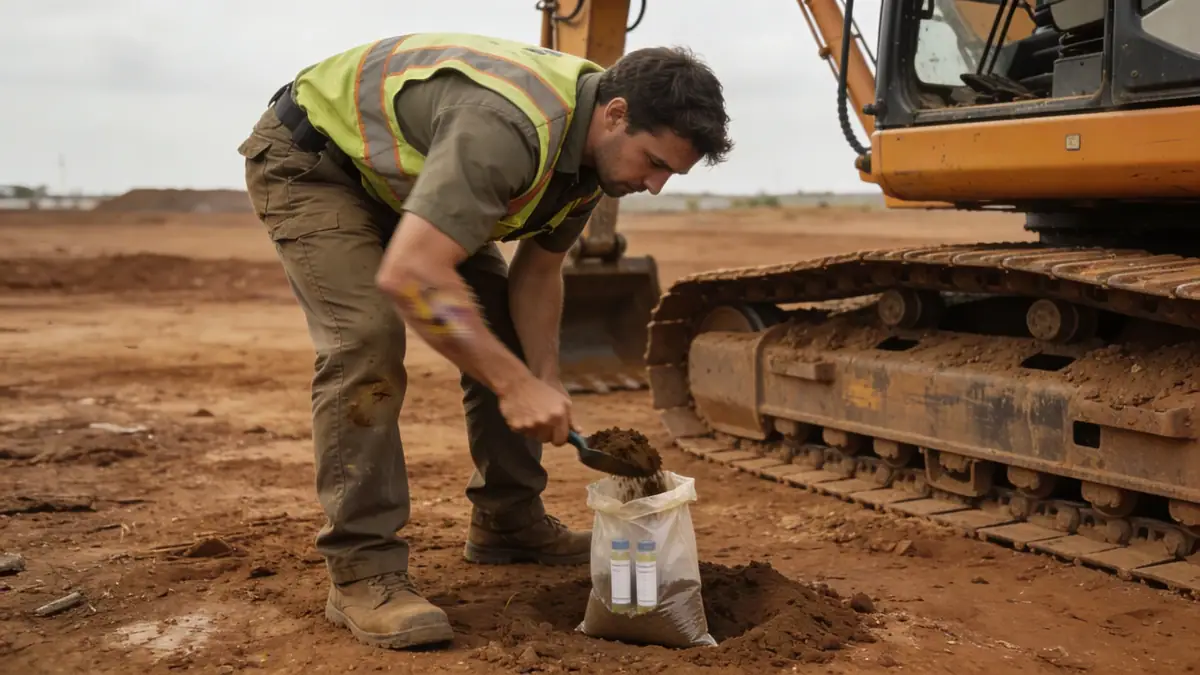
Our geotechnical approach in Gilbert integrates field exploration, laboratory testing, and engineering analysis to characterize subsurface conditions. We perform standard penetration tests (SPT) in accordance with ASTM D1586 to obtain soil samples and measure resistance at depth intervals of 1.0 to 1.5 meters. These data are complemented by our spt boring services to assess soil stratigraphy and groundwater conditions. Laboratory testing includes classification, strength, and consolidation tests to determine parameters for foundation design. For seismic evaluations, we utilize site-specific response spectra per ASCE 7, considering the region's moderate seismicity. This methodology ensures robust recommendations for shallow and deep foundations in Gilbert's diverse geologic setting.
Reference Technical Parameters
| Parameter | Reference Value |
|---|---|
| Predominant soil type | Expansive clay (overbank deposits) and silty sand (alluvium) |
| Maximum seismic acceleration (PGA) | 0.20g to 0.30g (ASCE 7 Site Class D) |
| Typical groundwater level | 10 to 30 feet below ground surface (variable with season) |
| Bedrock depth | Over 100 feet (deep alluvial basin) |
| Typical N60 range | 4 to 25 blows per foot (upper 20 feet) |
Local Considerations — Gilbert
Gilbert's geology is dominated by alluvial deposits from the Salt River and ancient lakebeds, resulting in heterogeneous soil profiles with expansive clays prone to volume changes. Shallow groundwater can be encountered in lower elevations, impacting excavation and foundation design. Seismic hazard is moderate due to regional faults, requiring site-specific response analyses per ASCE 7. Older subdivisions may have undocumented fill, necessitating careful investigation. For comprehensive services, our soil mechanics laboratory supports projects requiring detailed soil characterization. Our proximity to the geotechnical engineering en Phoenix hub allows us to leverage regional expertise for Gilbert's unique challenges.
Request a Quote
Our team reviews your project and issues an initial report at no cost.
Or write us directly at [email protected]
Services in Gilbert
Applicable Standards
- ASTM D1586 (Standard Penetration Test)
- ASCE 7 (Minimum Design Loads for Buildings and Other Structures)
- International Building Code (IBC) 2021
- Arizona Department of Transportation (ADOT) Standard Specifications
Frequently Asked Questions
What are the typical soil conditions in Gilbert, Arizona?
Soils in Gilbert consist predominantly of expansive clays and silty sands from alluvial deposits. These clays can undergo significant volume changes with moisture variation, requiring special foundation designs such as post-tensioned slabs or deep piers to mitigate movement.
Is seismic analysis required for projects in Gilbert?
Yes, Gilbert is in a moderate seismic zone per ASCE 7. Site-specific seismic hazard analysis is recommended for commercial and multi-story residential projects to determine design ground motions, considering soil amplification effects from the deep alluvial basin.
Are geotechnical investigations mandatory for new construction in Gilbert?
While not explicitly required for all single-family homes, most municipalities in Maricopa County, including Gilbert, require a geotechnical report for commercial and multi-family projects. Lenders and insurers often mandate soil studies for risk assessment.