Methodology
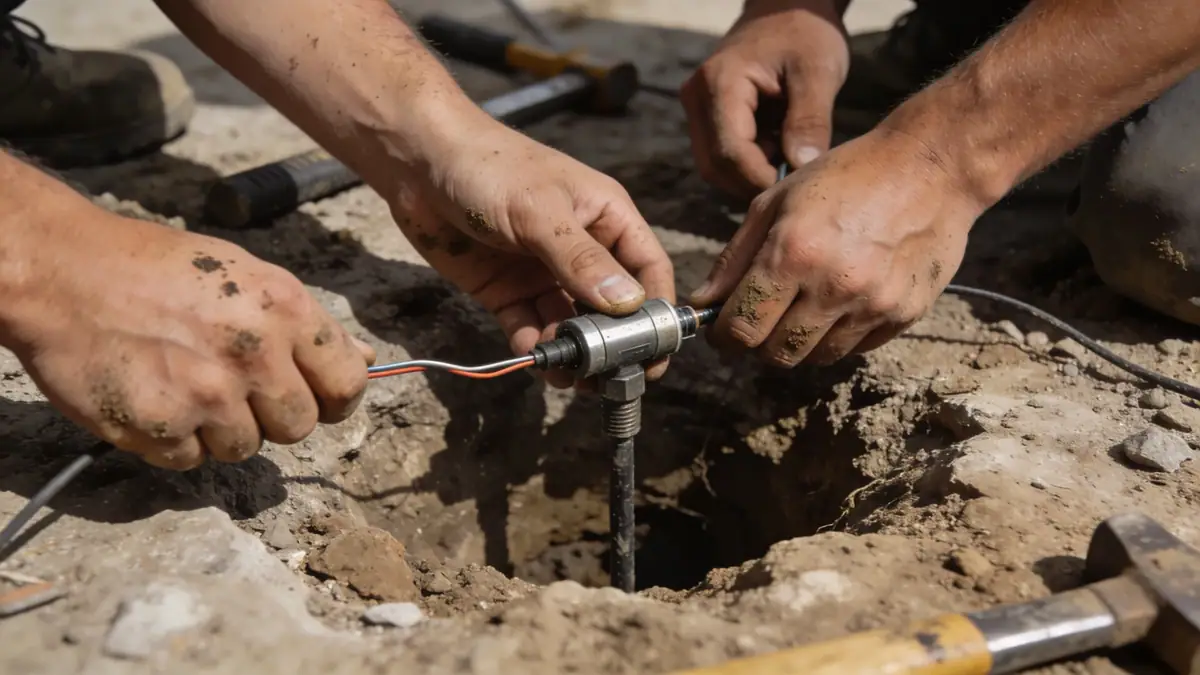
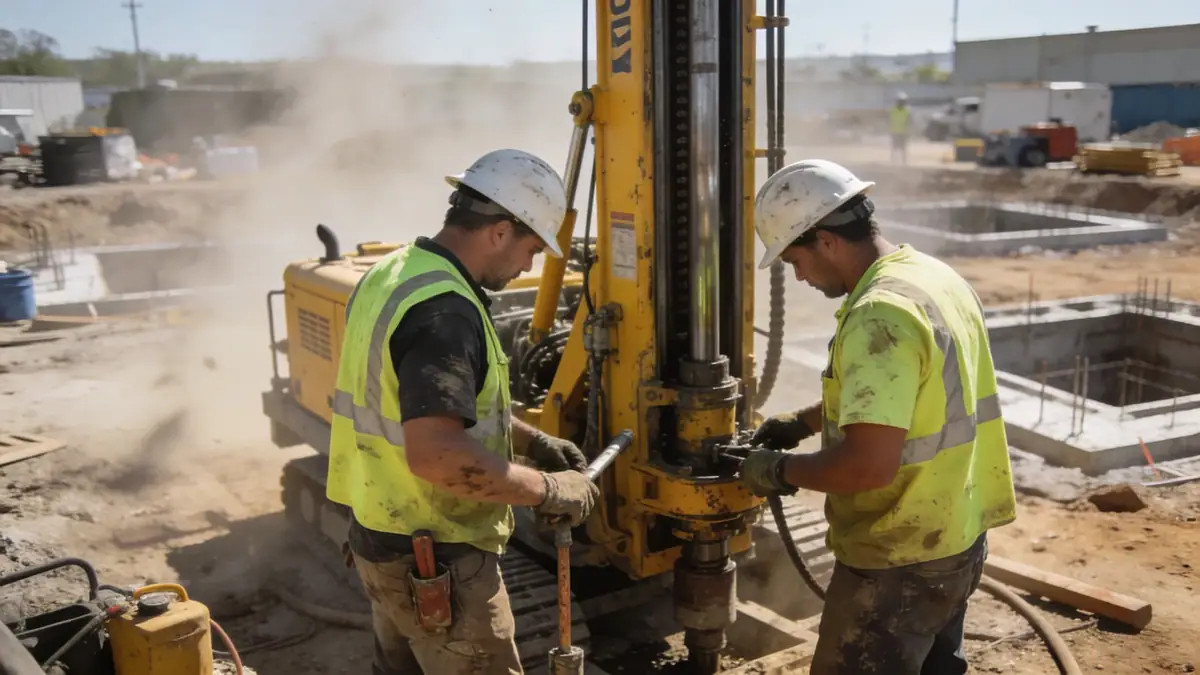
Our approach in Glendale Arizona begins with a comprehensive site reconnaissance and review of existing geotechnical reports. We then conduct subsurface investigations using methods such as spt boring and cone penetration testing to characterize soil stratigraphy. Soil samples are tested in our laboratory for index properties, strength, and consolidation characteristics. We analyze data to develop site-specific recommendations for foundation design, slab support, and seismic site classification. Our methodology follows ASTM D1586 for standard penetration tests and ASTM D2487 for soil classification.
Reference Technical Parameters
| Parameter | Reference Value |
|---|---|
| Predominant soil type | Silty sand (SM) and lean clay (CL) |
| Maximum seismic acceleration (PGA) | 0.20g (ASCE 7-16) |
| Typical groundwater level | 15–30 m below grade |
| Bedrock depth | >100 m (deep alluvium) |
| Typical N60 range | 10–30 blows/ft |
Local Considerations — Glendale Arizona
Glendale Arizona sits on deep alluvial deposits from the Salt River, characterized by interbedded sands, silts, and clays. Expansive clay layers are common in the northern areas near the Agua Fria River, requiring moisture control for slab-on-grade foundations. The region is in Seismic Design Category C per ASCE 7, with peak ground accelerations up to 0.20g. Local building codes reference the Phoenix adopted International Building Code with amendments. Our team integrates these factors into every project, often coordinating with our team in Phoenix for larger developments.
Request a Quote
Our team reviews your project and issues an initial report at no cost.
Or write us directly at [email protected]
Services in Glendale Arizona
Applicable Standards
- ASTM D1586 – Standard Penetration Test (SPT)
- ASCE 7-16 – Minimum Design Loads for Buildings
- ASTM D2487 – Classification of Soils
- ASTM D698 – Standard Proctor Compaction
- ASTM D3080 – Direct Shear Test
Frequently Asked Questions
What soil types are typically found in Glendale Arizona?
Soils in Glendale Arizona are primarily alluvial deposits including silty sands (SM), lean clays (CL), and occasional gravel layers. Expansive clays are present in some areas, requiring special foundation design considerations.
Does Glendale Arizona have specific seismic requirements for geotechnical studies?
Yes, Glendale Arizona is in Seismic Design Category C per ASCE 7-16. Geotechnical reports must include site class determination and liquefaction assessment for certain soil profiles, especially in areas with high groundwater.
Are geotechnical studies mandatory for building permits in Glendale Arizona?
While not always mandatory for small residential additions, most new construction and commercial projects require a geotechnical report. The local building department often requests foundation recommendations based on site-specific soil testing.