Methodology
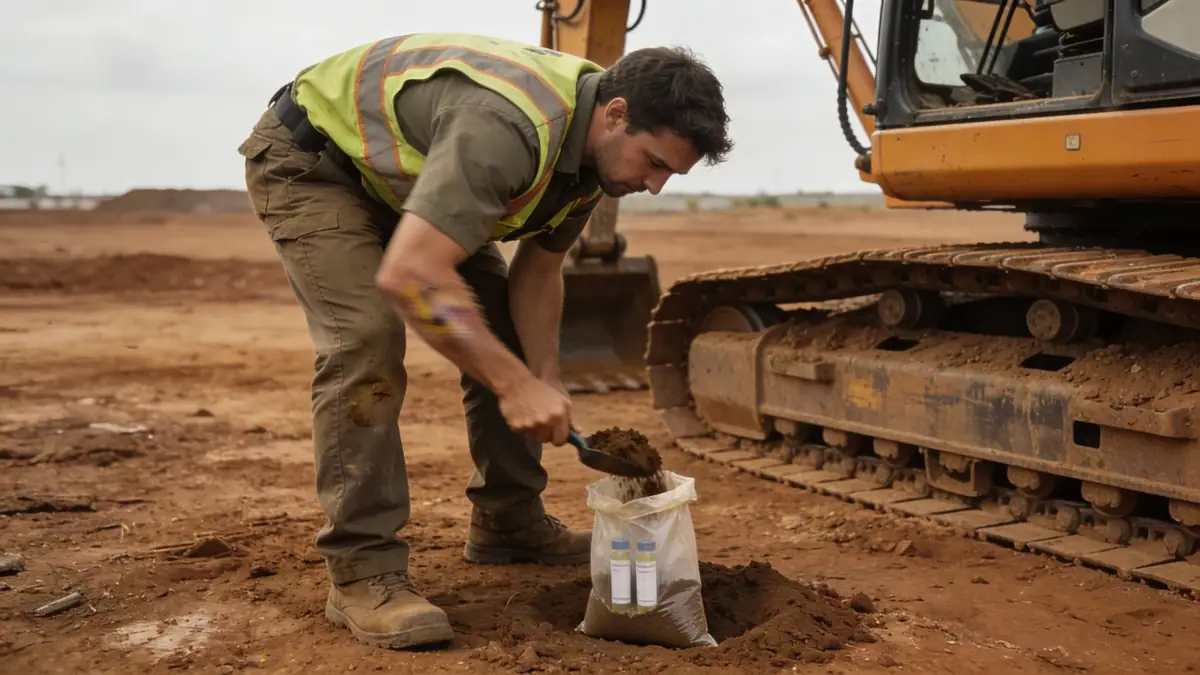
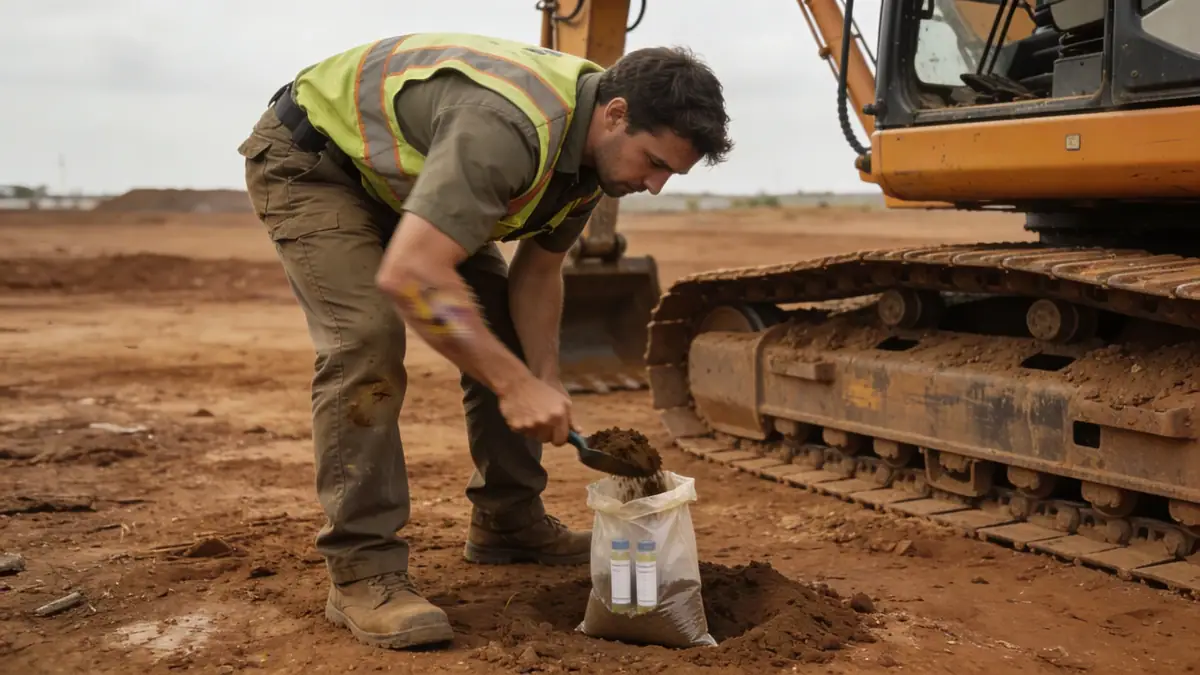
Our methodology for geotechnical engineering in Greensboro integrates field and laboratory programs to characterize the Piedmont soil profile. We perform standard penetration testing (SPT) at 1.5 m intervals per ASTM D1586 to assess soil density and strength. Samples are analyzed in our soil mechanics laboratory for index properties, shear strength, and consolidation behavior. This data informs foundation design, slope stability, and earthwork recommendations, ensuring robust solutions for Greensboro's diverse geologic conditions.
Reference Technical Parameters
| Parameter | Reference Value |
|---|---|
| Predominant soil type | Residual silt and clay (Piedmont saprolite) |
| Maximum seismic acceleration (PGA) | 0.15g (ASCE 7-16, Site Class C-D) |
| Typical groundwater level | 5–15 ft below grade (seasonal variation) |
| Bedrock depth | 10–30 ft (weathered gneiss/schist) |
| Typical N60 range | 8–30 blows/ft (saprolite to residual soil) |
Local Considerations — Greensboro
Greensboro's geology consists of Piedmont residual soils over weathered metamorphic bedrock, with high plasticity clays near the surface and shallow groundwater in valleys. Seismic design per ASCE 7-16 requires Site Class C or D, with PGA up to 0.15g. Northern areas (e.g., Summerfield) have deeper bedrock (20–30 ft), while central downtown often encounters shallow rock at 10 ft. Typical projects include residential subdivisions (requiring slope stability analysis for cut slopes) and commercial developments needing retaining wall design on steep lots. Our experience spans these conditions, ensuring cost-effective foundations. For broader regional context, see geotechnical engineering en Atlanta.
Request a Quote
Our team reviews your project and issues an initial report at no cost.
Or write us directly at [email protected]
Services in Greensboro
Applicable Standards
- ASCE 7-16 Minimum Design Loads and Associated Criteria for Buildings and Other Structures
- ASTM D1586 Standard Test Method for Standard Penetration Test (SPT) and Split-Barrel Sampling of Soils
- IBC 2021 International Building Code (adopted by Greensboro)
- ASTM D2487 Standard Practice for Classification of Soils for Engineering Purposes (Unified Soil Classification System)
Frequently Asked Questions
What soil types are typical in Greensboro, North Carolina?
Greensboro is underlain by Piedmont residual soils, primarily silty clays (CL, CH) and sandy silts (ML) derived from weathered gneiss and schist. Saprolite (weathered rock) is common at depths of 10–30 ft, with high plasticity and shrink-swell potential, requiring careful geotechnical evaluation.
Does Greensboro have seismic design requirements?
Yes, Greensboro falls under ASCE 7-16 Seismic Design Category B or C, with a maximum considered earthquake (MCE) PGA of 0.15g for Site Class C. Site-specific response spectra may be required for critical structures, per the North Carolina Building Code.
Are geotechnical studies mandatory for construction in Greensboro?
For most commercial and multi-family projects, a geotechnical report is required by the Greensboro Building Code to establish soil bearing capacity, seismic site class, and groundwater conditions. Residential projects on problematic soils also benefit from a study to avoid foundation distress.