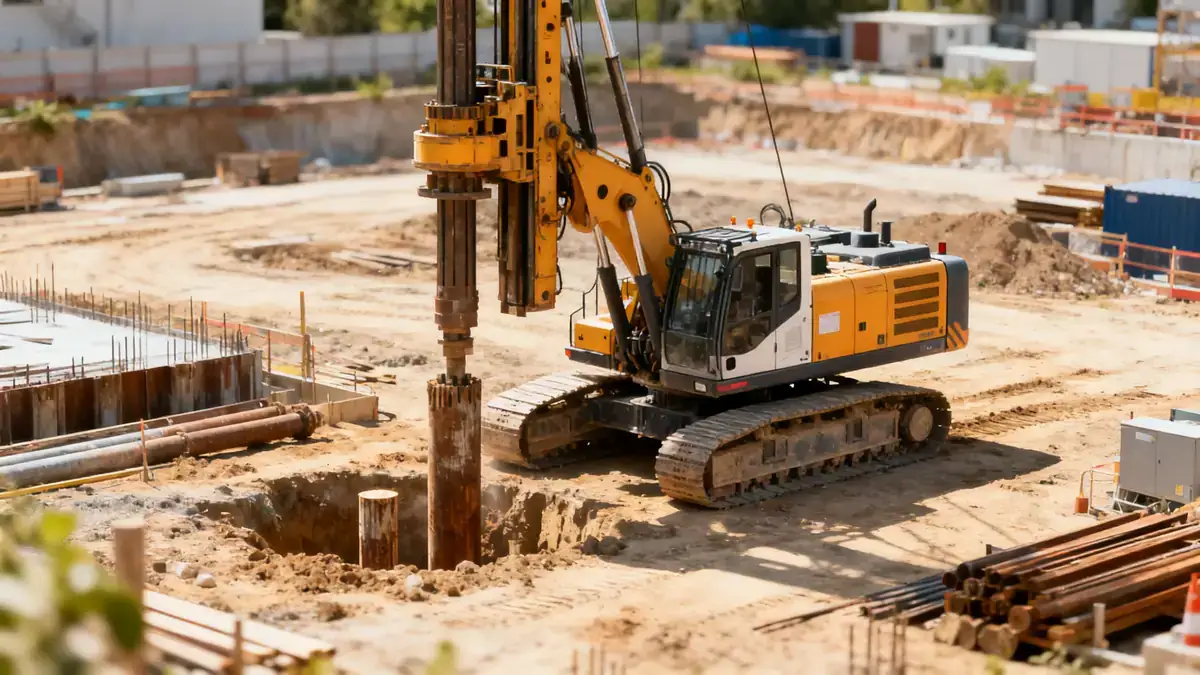
Methodology
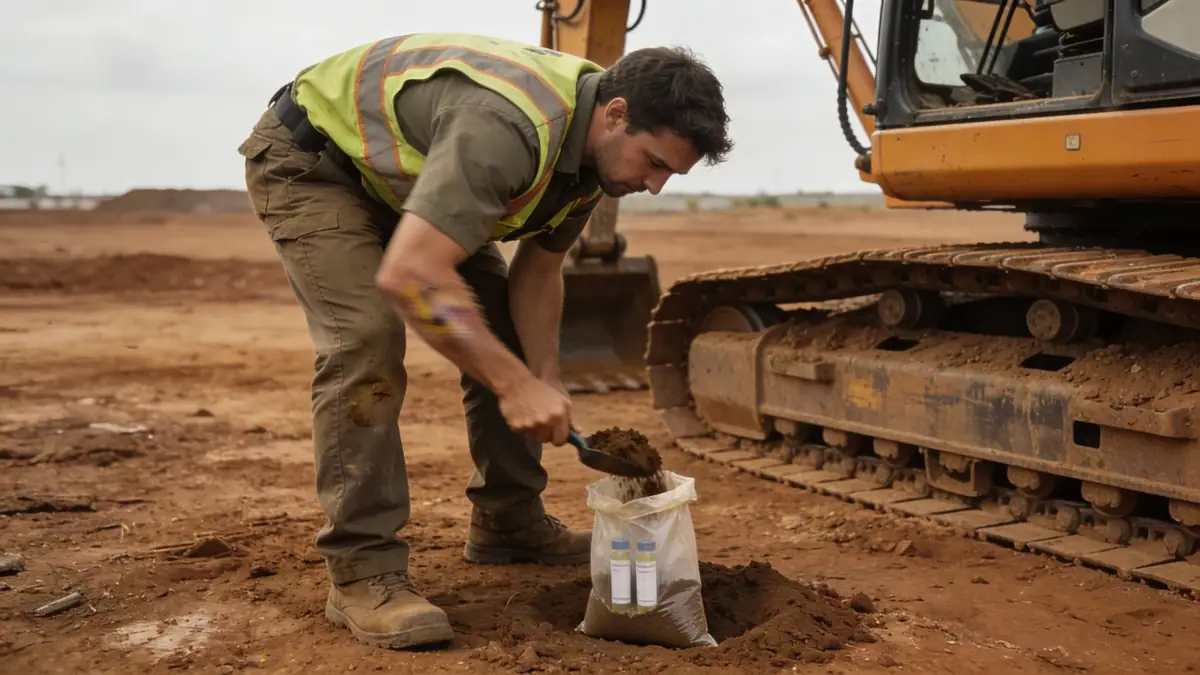
Our approach to geotechnical engineering in Hampton Virginia begins with a comprehensive review of existing geologic maps and historical data. We then execute a field investigation program that typically includes spt boring to obtain soil samples and measure N-values, supplemented by cone penetration testing and hand augers in confined areas. Laboratory testing follows ASTM standards to classify soils, assess strength, and evaluate consolidation characteristics. For seismic design, we perform site response analyses to determine spectral accelerations per ASCE 7. All data are integrated into a geotechnical report that provides foundation recommendations, earth pressure parameters, and construction considerations tailored to Hampton Virginia.
Reference Technical Parameters
| Parameter | Reference Value |
|---|---|
| Predominant soil type | Silty sand and sandy clay (coastal plain deposits) |
| Maximum seismic acceleration (PGA) | 0.15–0.20 g (ASCE 7, Site Class D) |
| Typical groundwater level | 2–5 ft below ground surface |
| Bedrock depth | Over 100 ft (deep sedimentary basin) |
| Typical N60 range | 4–15 blows/ft in upper soft deposits; 20–40 in deeper sands |
Local Considerations — Hampton Virginia
Hampton Virginia lies within the Atlantic Coastal Plain, characterized by unconsolidated sediments of sand, silt, and clay. Shallow groundwater is common, often within 2–5 ft of the surface, requiring dewatering considerations for excavations. Seismic hazard is moderate, with a PGA of 0.15–0.20 g per ASCE 7, and soil amplification can occur in soft deposits. Our team has addressed foundation challenges across neighborhoods, from downtown sites with fill and buried utilities to waterfront projects along the Chesapeake Bay. For deep foundations, we often recommend driven piles, as practiced in our soil mechanics laboratory to verify capacities. Typical projects include commercial buildings, residential subdivisions, and infrastructure upgrades. Coordination with local permitting authorities is essential to address stormwater management and erosion control. For broader regional expertise, our team collaborates with geotechnical engineering en Philadelphia.
Request a Quote
Our team reviews your project and issues an initial report at no cost.
Or write us directly at [email protected]
Services in Hampton Virginia
Applicable Standards
- ASTM D1586 (Standard Penetration Test)
- ASCE 7 (Minimum Design Loads for Buildings and Other Structures)
- IBC (International Building Code)
- Virginia Uniform Statewide Building Code (USBC)
Frequently Asked Questions
What are the typical soil conditions in Hampton Virginia?
Soils in Hampton Virginia are predominantly coastal plain deposits, including silty sands, sandy clays, and occasional organic layers. Groundwater is shallow, typically 2–5 ft deep. Deeper sands provide good bearing capacity for deep foundations.
Is a geotechnical study required for construction in Hampton Virginia?
Yes, most building permits require a geotechnical investigation per the Virginia Uniform Statewide Building Code. The study must address soil bearing capacity, settlement, groundwater, and seismic site class to ensure safe foundation design.
How is seismic risk addressed in Hampton Virginia geotechnical engineering?
Seismic design follows ASCE 7, with a PGA of 0.15–0.20 g. Site-specific response analysis is recommended for soft soil sites to evaluate amplification. Our team incorporates these factors into foundation and retaining wall designs.