Methodology
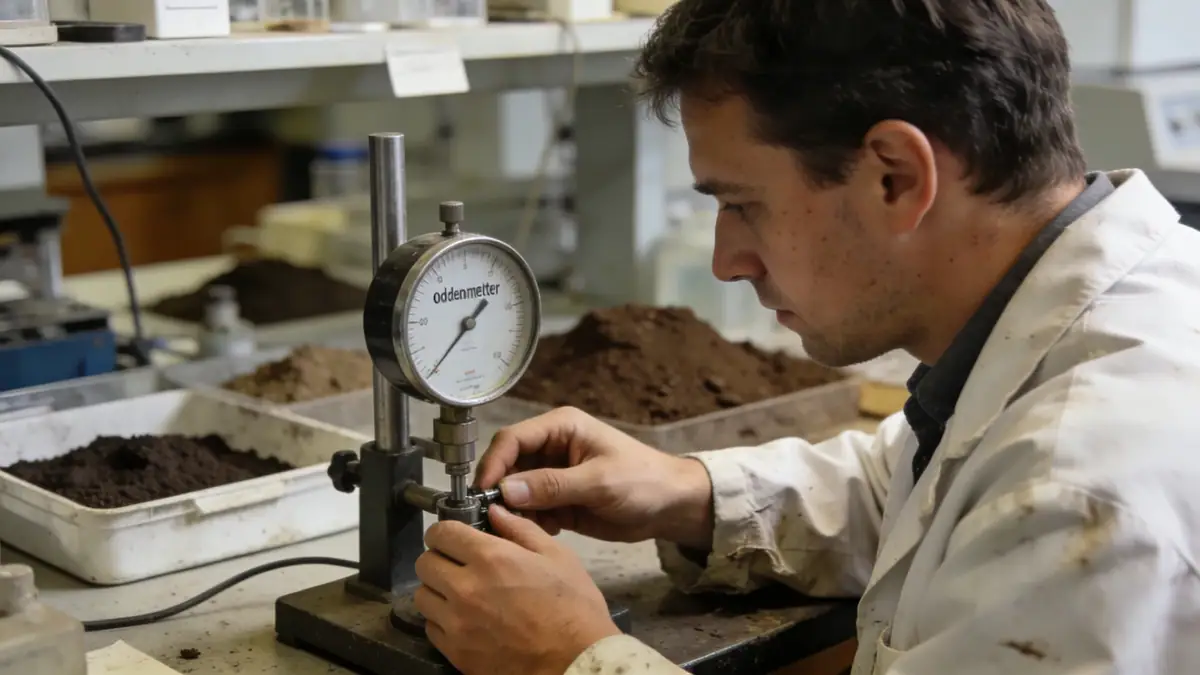
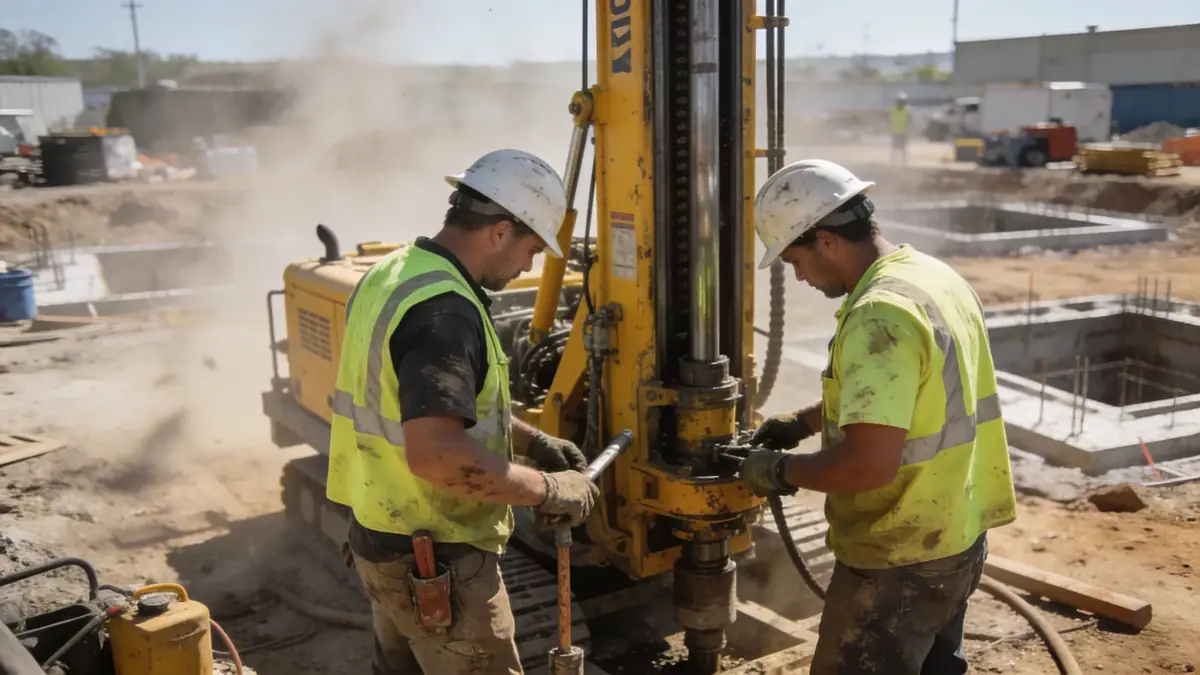
Our approach to geotechnical engineering in Hartford Connecticut integrates field exploration, laboratory testing, and numerical analysis. We conduct spt boring to obtain soil samples and measure N-values per ASTM D1586, typically at 1.5 m intervals to depths of 10–30 m depending on project scale. In the soil mechanics laboratory, we perform index properties, strength, and consolidation tests to characterize the glacial till and alluvial deposits. For seismic design, we evaluate site class per ASCE 7-16 and compute liquefaction potential using simplified procedures. This methodology ensures robust foundation designs for Hartford's diverse urban and suburban projects.
Reference Technical Parameters
| Parameter | Reference Value |
|---|---|
| Predominant soil type | Glacial till, alluvial silts and sands |
| Maximum seismic acceleration (PGA) | 0.18g (MCE, Site Class D) |
| Typical groundwater level | 1.5–4.5 m below ground surface |
| Bedrock depth | 10–30 m (sandstone/shale) |
| Typical N60 range (SPT) | 5–30 blows/300 mm |
Local Considerations — Hartford Connecticut
Hartford's glacial history left a complex subsurface of till, outwash sands, and lacustrine clays. Along the Connecticut River, alluvial deposits with high water tables pose settlement and liquefaction risks. Downtown, fill materials from historical industrial activity require careful characterization. Our team references the Connecticut State Building Code and ASCE 7 for seismic site classification. For projects near the river, we often recommend deep foundations or ground improvement. For a broader perspective, see our work on geotechnical engineering en New York, where similar glacial and fluvial conditions occur.
Request a Quote
Our team reviews your project and issues an initial report at no cost.
Or write us directly at [email protected]
Services in Hartford Connecticut
Applicable Standards
- ASTM D1586
- ASCE 7-16
- Connecticut State Building Code (CSBC)
- IBC 2021
Frequently Asked Questions
What are the typical soil conditions in Hartford Connecticut?
Hartford's soils are dominated by glacial till, outwash sands, and alluvial deposits from the Connecticut River. Groundwater is typically shallow, between 1.5 and 4.5 m depth. Bedrock (sandstone/shale) lies at 10–30 m. Soft clays and organic soils may be encountered in low-lying areas.
Is seismic design required for geotechnical engineering in Hartford Connecticut?
Yes, per the Connecticut State Building Code and ASCE 7-16, Hartford is in Seismic Design Category B or C. Site-specific ground motion analysis may be needed for critical structures. Our team evaluates site class and liquefaction potential to ensure compliance.
Are geotechnical investigations mandatory for construction in Hartford?
While not universally mandated, most jurisdictions in Hartford require a geotechnical report for building permits, especially for larger or complex projects. Lenders and insurers often demand subsurface investigations to mitigate risk.