
Methodology
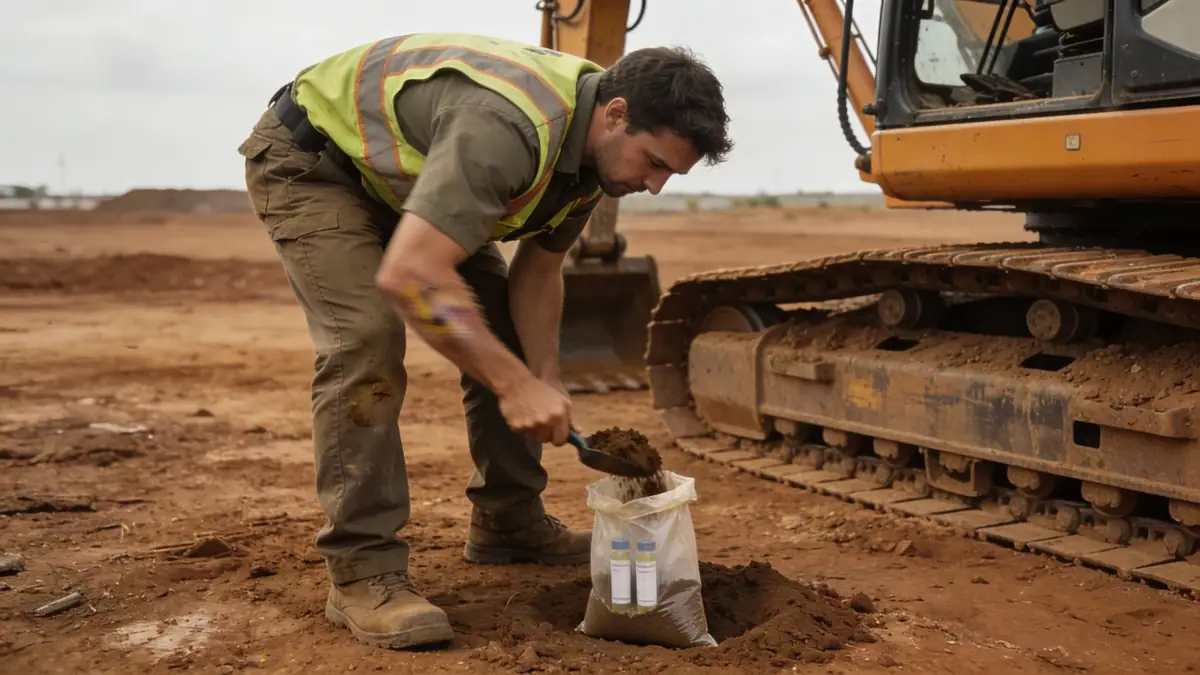
Our geotechnical engineering methodology in Hayward begins with a thorough desk study of existing geological and seismic data, followed by field investigations such as spt boring to characterize subsurface conditions. We assess soil properties through standard penetration tests (SPT) per ASTM D1586, sampling at 1.5 m intervals typically to depths of 15 m, and conduct laboratory analyses to determine strength and consolidation parameters. For seismic evaluations, we apply ASCE 7-22 site classification and site-specific response analysis. Our integrated approach ensures that all recommendations are grounded in reliable data and local regulatory requirements.
Reference Technical Parameters
| Parameter | Reference Value |
|---|---|
| Predominant soil type | Alluvial clay and silt with interbedded sand and gravel |
| Maximum seismic acceleration (PGA) | 0.4–0.5 g (ASCE 7-22, Site Class D) |
| Typical groundwater level | 2–5 m below ground surface |
| Bedrock depth | 10–30 m (Franciscan Complex) |
| Typical N60 range | 5–30 blows/0.3 m in cohesionless layers |
Local Considerations — Hayward
Hayward lies within the San Francisco Bay Area, characterized by active fault systems—including the Hayward Fault—and deep alluvial basins. Local geology includes soft Bay Mud near the shoreline, stiff alluvial terraces inland, and Franciscan bedrock at depth. Seismic hazards such as liquefaction and fault rupture are critical considerations. In areas like the Hayward Hills, bedrock is shallower, while along the bay margin, thick soft clays require deep foundations or ground improvement. Our team provides site-specific recommendations that account for these contrasts, integrating local seismic codes and ASCE 7 standards. For regional context, we collaborate with geotechnical engineering en Los Angeles to ensure consistent quality across California.
Request a Quote
Our team reviews your project and issues an initial report at no cost.
Or write us directly at [email protected]
Services in Hayward
Applicable Standards
- ASTM D1586 (Standard Penetration Test)
- ASCE 7-22 (Minimum Design Loads and Associated Criteria for Buildings)
- California Building Code (CBC) 2022
- Hayward Fault Seismic Hazard Zone Regulations
Frequently Asked Questions
What types of soil are commonly found in Hayward?
Hayward's soils range from soft Bay Mud (high plasticity clay) near the bay to stiff alluvial clays, silts, and sands inland. In the hills, Franciscan bedrock (sandstone, shale, and serpentinite) is encountered at shallow depths. Subsurface variability is high, requiring thorough site investigation.
How do seismic hazards affect geotechnical engineering in Hayward?
Hayward is near the active Hayward Fault, posing risks of strong ground shaking, liquefaction, and fault rupture. Geotechnical studies must evaluate site-specific seismic hazards per ASCE 7-22 and CBC, often including site response analysis and liquefaction assessment to design safe foundations.
Are geotechnical studies mandatory for construction in Hayward?
Yes, for most projects. The California Building Code requires a geotechnical investigation for new structures, especially in Seismic Hazard Zones. Local jurisdictions in Hayward typically mandate soil reports for building permits, ensuring compliance with seismic and foundation design standards.