Methodology
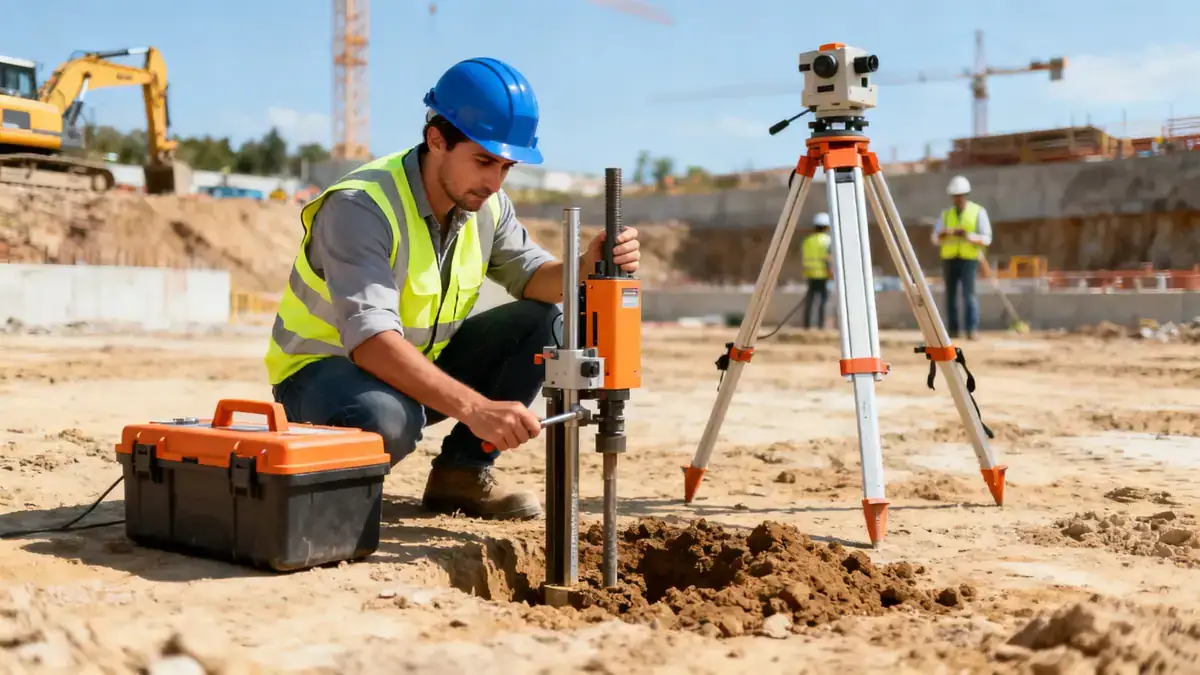
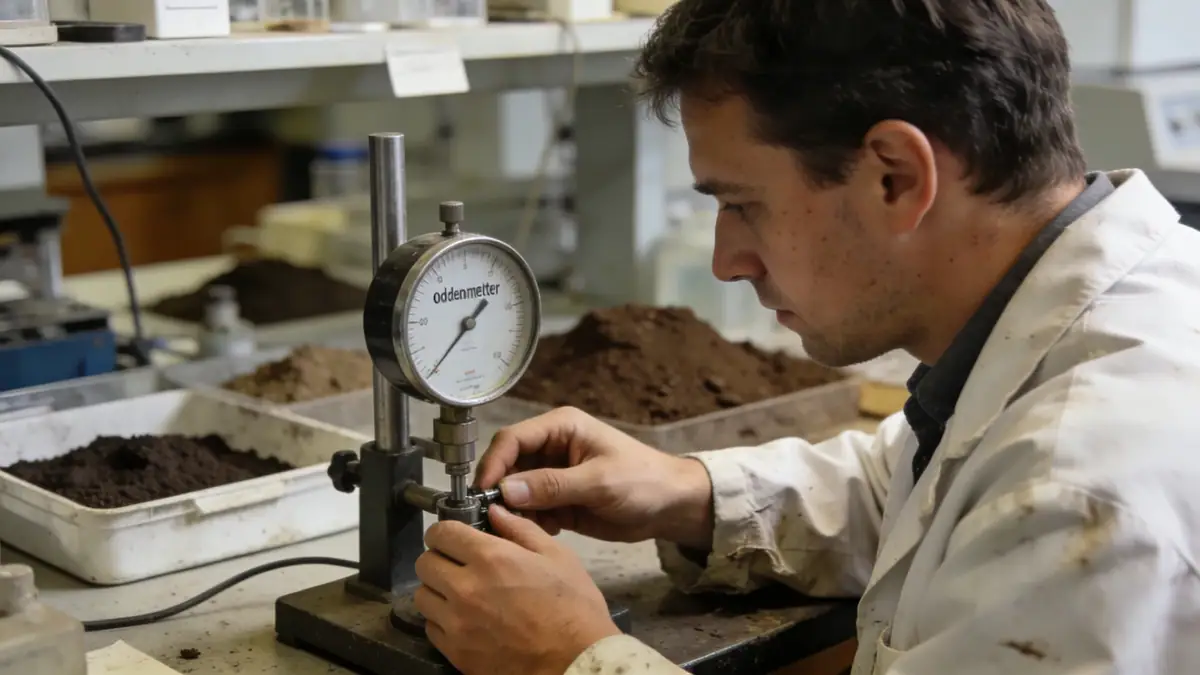
Our methodology for geotechnical engineering in Henderson Nevada integrates standard penetration testing (SPT) per ASTM D1586 with advanced laboratory analysis. Field investigations typically involve spt boring at depths of 8 to 30 meters, depending on project scale, with sampling intervals of 1.5 meters. We characterize soil stratigraphy, measure groundwater levels, and assess engineering properties such as density, strength, and compressibility. This data informs foundation design, slope stability evaluations, and seismic hazard assessments. Our approach ensures that recommendations align with local geologic conditions and regulatory requirements, providing reliable support for safe and efficient construction.
Reference Technical Parameters
| Parameter | Reference Value |
|---|---|
| Predominant soil type | Poorly graded sand (SP), silty sand (SM), gravel (GP) |
| Maximum seismic acceleration (PGA) | 0.2g to 0.3g (ASCE 7, Site Class D) |
| Typical groundwater level | >30 m below ground surface |
| Bedrock depth | Variable, typically >50 m |
| Typical N60 range (SPT) | 10 to 50 blows/0.3 m |
Local Considerations — Henderson Nevada
Henderson's alluvial soils present challenges such as collapsibility upon wetting and moderate liquefaction potential under seismic events. The city's growth has expanded into areas with variable fill and natural deposits, requiring site-specific evaluations. Our team addresses these conditions through detailed subsurface profiling and laboratory testing. For reference, our hub operations from geotechnical engineering en Los Angeles provide regional expertise applicable to Henderson's similar basin geology. We also integrate soil mechanics laboratory analyses to refine soil parameters for design.
Request a Quote
Our team reviews your project and issues an initial report at no cost.
Or write us directly at [email protected]
Services in Henderson Nevada
Applicable Standards
- ASTM D1586 (Standard Penetration Test)
- ASCE 7 (Minimum Design Loads for Buildings)
- Uniform Building Code (UBC) Seismic Provisions
- International Building Code (IBC) Chapter 18
Frequently Asked Questions
What are the typical soil conditions encountered in Henderson Nevada?
Soils in Henderson are predominantly alluvial sands and gravels, with variable silt content. Groundwater is deep, often exceeding 30 meters. Collapsible soils are common in some areas, requiring careful evaluation for foundation design.
Does Henderson Nevada have specific seismic design requirements?
Yes, Henderson lies in a region with moderate seismicity. Design spectral accelerations per ASCE 7 range from 0.2g to 0.3g for Site Class D. Site-specific seismic hazard analyses are often required for critical structures.
Are geotechnical investigations mandatory for construction in Henderson?
While not explicitly mandated for all projects, most building permits require a geotechnical report to comply with IBC Chapter 18. Local authorities often recommend subsurface investigations to mitigate risks from collapsible soils and liquefaction.