Methodology
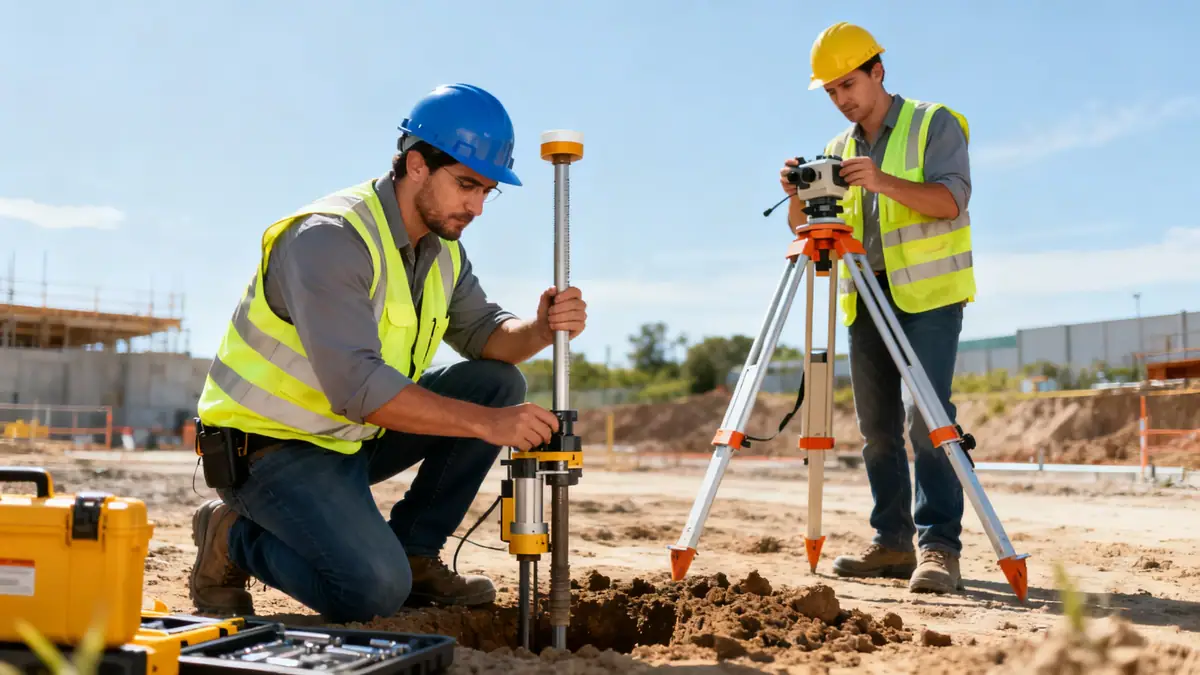
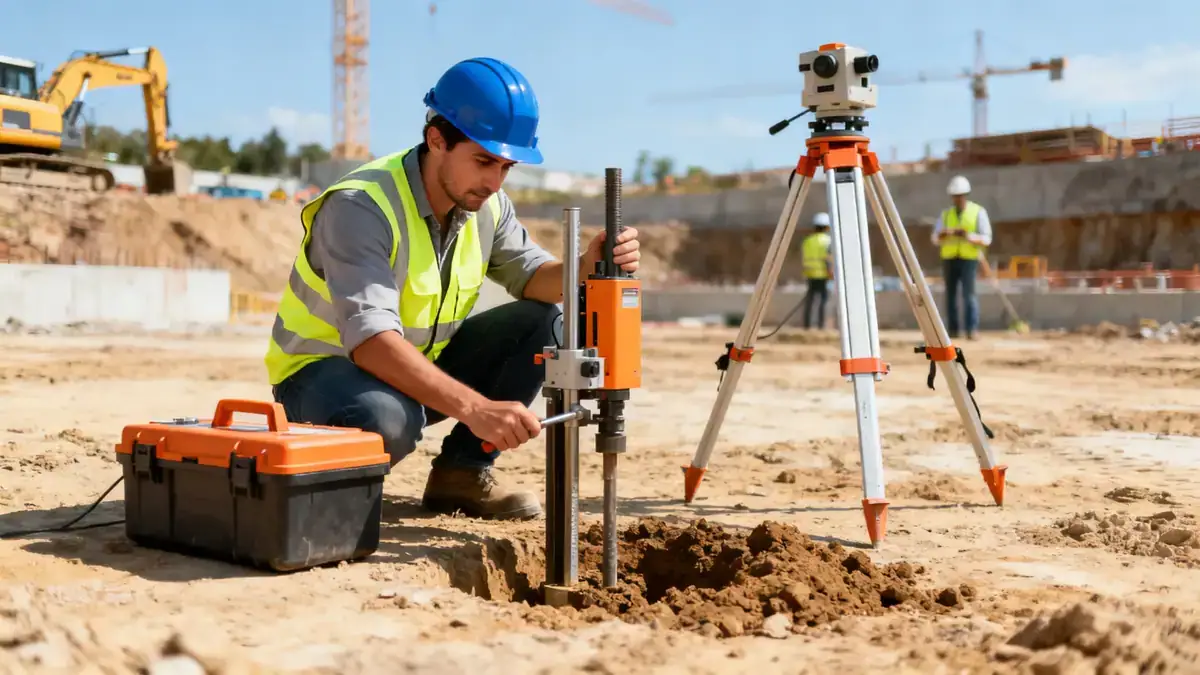
Our methodology in Hialeah integrates comprehensive site investigations with advanced analysis to characterize subsurface conditions. We begin with a thorough review of existing geological data, followed by field exploration programs that include spt boring to recover disturbed and undisturbed samples, and in-situ testing to measure soil strength and stiffness. Laboratory testing, conducted in our soil mechanics laboratory, determines index properties, consolidation characteristics, and shear strength parameters. This data is synthesized into a geotechnical model that informs foundation design, earthwork, and groundwater control strategies, all aligned with applicable codes such as ASCE 7 and ASTM D1586.
Reference Technical Parameters
| Parameter | Reference Value |
|---|---|
| Predominant soil type | Silty sand (SM) and limestone (Miami Limestone) |
| Maximum seismic acceleration (PGA) | 0.18g (ASCE 7, Site Class C/D) |
| Typical groundwater level | 1.5 to 3.0 m below ground surface |
| Bedrock depth | 3 to 10 m (oolitic limestone) |
| Typical N60 range (SPT) | 5 to 30 blows per foot (variable with depth) |
Local Considerations — Hialeah
Hialeah's geology is dominated by the Biscayne Aquifer, with shallow groundwater levels typically between 1.5 and 3.0 meters. The soil profile consists of silty sands underlain by Miami Limestone, a porous limestone that can cause settlement issues if not properly addressed. Seismic design follows ASCE 7 with a PGA of 0.18g, requiring careful evaluation of liquefaction potential in loose sands. Our team has extensive experience with dewatering systems and foundation solutions that mitigate these risks. For projects requiring specialized analysis, we coordinate with our slope stability and retaining wall design teams to ensure comprehensive geotechnical support.
Request a Quote
Our team reviews your project and issues an initial report at no cost.
Or write us directly at [email protected]
Services in Hialeah
Applicable Standards
- ASTM D1586 (Standard Penetration Test)
- ASCE 7 (Minimum Design Loads for Buildings)
- IBC (International Building Code)
- Florida Building Code (FBC)
- ASTM D2487 (Unified Soil Classification System)
Frequently Asked Questions
What are the typical soil conditions in Hialeah?
Hialeah soils are primarily silty sands (SM) underlain by Miami Limestone bedrock at depths of 3 to 10 meters. Groundwater is shallow, often 1.5 to 3.0 meters deep, requiring dewatering for excavations. The limestone can be prone to dissolution features, necessitating careful subsurface investigation.
What seismic design parameters apply in Hialeah?
According to ASCE 7, Hialeah has a maximum considered earthquake (MCE) spectral response acceleration of about 0.18g for Site Class C/D. This requires evaluation of liquefaction potential and dynamic soil properties for important structures. The Florida Building Code mandates compliance with these seismic provisions.
Are geotechnical studies mandatory for construction in Hialeah?
Yes, the Florida Building Code requires a geotechnical investigation for most new construction and major renovations. The study must address bearing capacity, settlement, groundwater, and seismic hazards. Our firm provides comprehensive reports that meet all local regulatory requirements.