Methodology
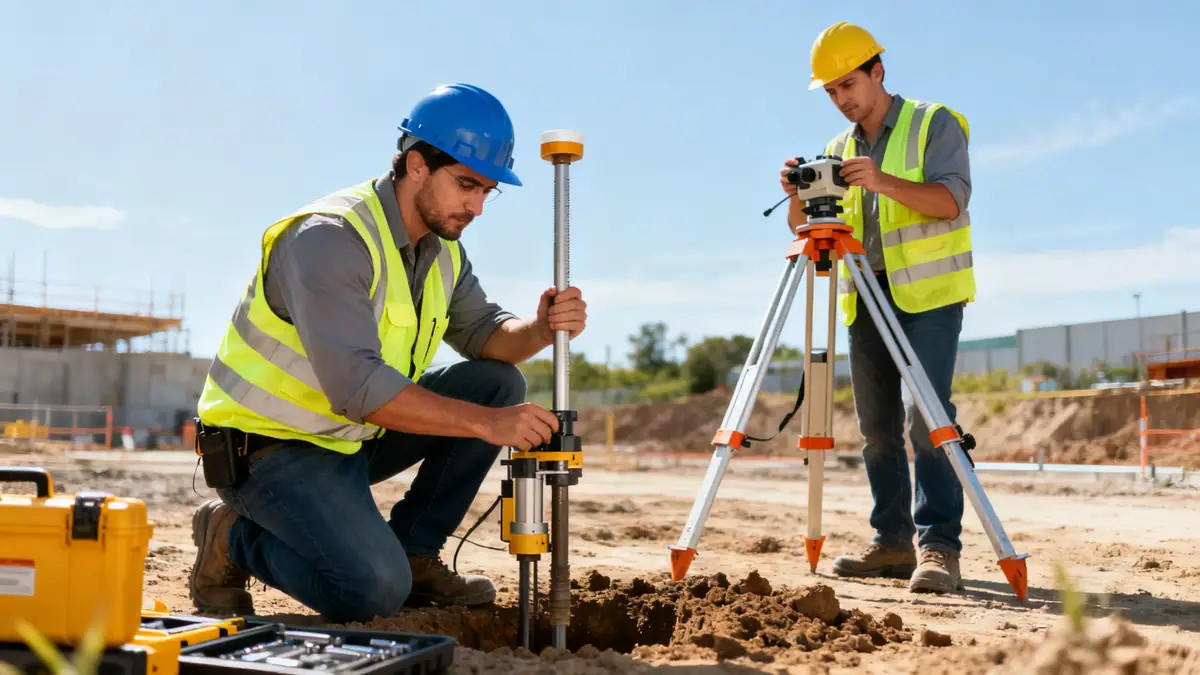
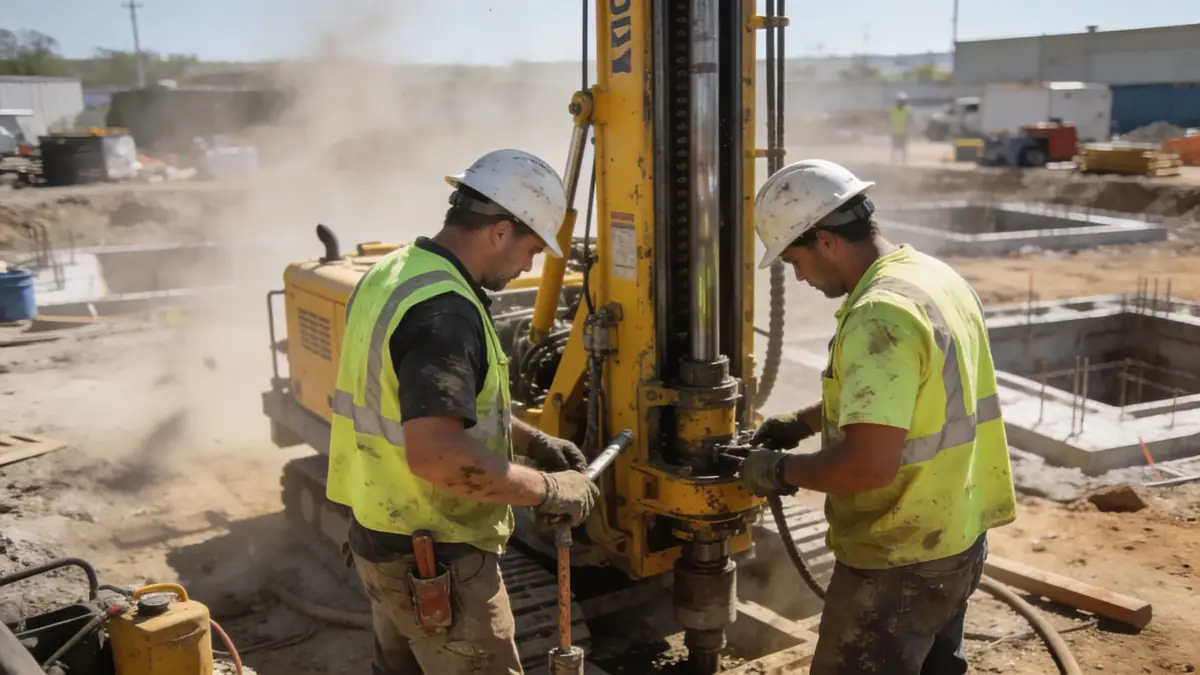
Our approach to geotechnical engineering in Honolulu integrates site reconnaissance, subsurface exploration, and advanced testing. We begin with a review of existing geologic maps and seismic hazard data for the island. Field exploration includes spt boring to obtain disturbed and undisturbed samples, with standard penetration tests conducted per ASTM D1586 at 1.5 m intervals. Depths typically range from 10 to 25 m depending on load and soil variability. In coastal areas, we extend borings to refusal in basalt or coral formations. We also install piezometers to monitor groundwater levels, which fluctuate with tides and rainfall. All data are synthesized into a geotechnical model that informs foundation design and earthwork recommendations.
Reference Technical Parameters
| Parameter | Reference Value |
|---|---|
| Predominant soil type | Volcanic residual clay and silty sand (Andisols) with occasional coral sand near coast |
| Maximum seismic acceleration (PGA) | 0.4g to 0.6g (ASCE 7-16 risk category II, Site Class D) |
| Typical groundwater level | 1.5 to 6 m below ground surface (shallow in coastal plains) |
| Bedrock depth | 5 to 30 m (basalt or coral limestone) |
| Typical N60 range | 10 to 40 blows/0.3 m (variable; lower in soft marine clays) |
Local Considerations — Honolulu
Honolulu's geology is dominated by volcanic deposits from the Koʻolau Range. Soils range from highly weathered red clays in Manoa and Nuuanu to loose sands and coral rubble in Waikiki and Kapolei. Groundwater is shallow in coastal areas, requiring dewatering for excavations. Seismic risk is high due to Pacific plate subduction, with design PGA up to 0.6g per ASCE 7. Our team has extensive experience with local conditions, from deep basalt foundations in downtown Honolulu to liquefaction mitigation in Mapunapuna. We collaborate with the City and County of Honolulu and the State of Hawaii Department of Transportation. For broader regional context, see our work on geotechnical engineering en Los Angeles, where similar seismic and coastal challenges arise.
Request a Quote
Our team reviews your project and issues an initial report at no cost.
Or write us directly at [email protected]
Services in Honolulu
Applicable Standards
- ASTM D1586 (Standard Penetration Test)
- ASCE 7-16 (Minimum Design Loads for Buildings)
- IBC 2018 (International Building Code)
- Hawaii State Building Code (adopted IBC with amendments)
- City and County of Honolulu Rules Relating to Grading, Soil Erosion, and Sediment Control
Frequently Asked Questions
What types of soil are commonly found in Honolulu?
Soils in Honolulu vary from residual volcanic clays (Andisols) in upland areas to marine sands, silts, and coral deposits along the coast. Alluvial soils exist in valleys. The variability demands site-specific testing to avoid foundation issues.
How does seismic risk affect geotechnical engineering in Honolulu?
Honolulu is in a high seismic zone with PGA up to 0.6g. Geotechnical reports must address liquefaction potential, slope stability, and foundation response. Per ASCE 7, Site Class D is common, requiring site response analysis for critical structures.
Are geotechnical studies mandatory for construction in Honolulu?
Yes, the City and County of Honolulu requires geotechnical investigations for most building permits, especially for structures in flood zones, steep slopes, or high seismic areas. Grading permits also necessitate soil reports per local ordinances.