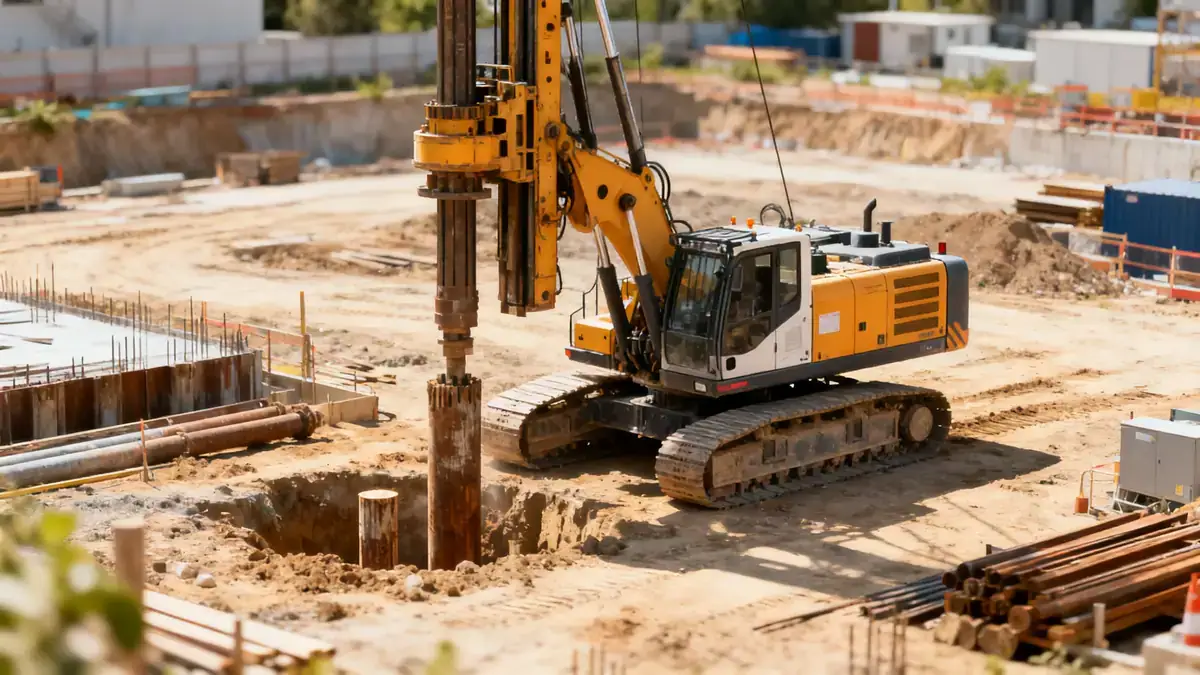
Methodology
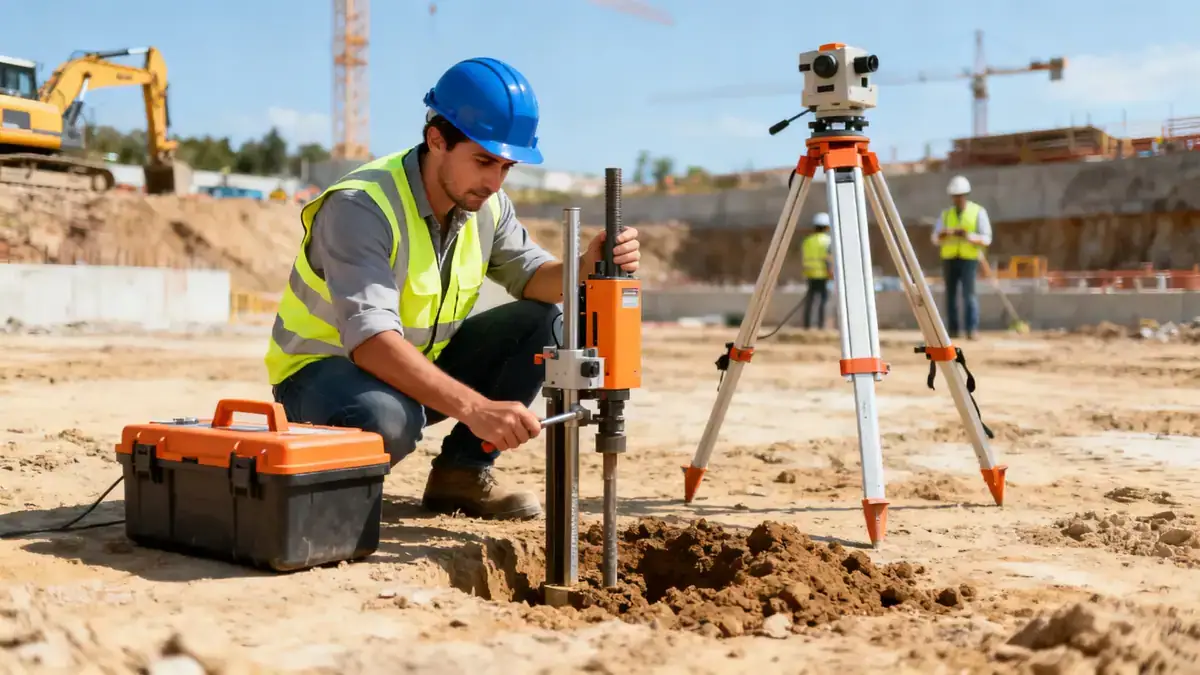
Our methodology for geotechnical engineering in Huntsville integrates field investigations and laboratory testing to characterize subsurface conditions. We employ spt boring to obtain disturbed samples and measure soil resistance, following ASTM D1586 standards. Our approach includes strategic boring spacing, groundwater monitoring, and geophysical surveys to assess karst features. Laboratory tests determine soil classification, strength, and consolidation properties, informing foundation recommendations. This systematic process ensures reliable data for design and construction.
Reference Technical Parameters
| Parameter | Reference Value |
|---|---|
| Predominant soil type | Residual clay over limestone (karst terrain) |
| Maximum seismic acceleration (PGA) | 0.1g (ASCE 7-16, Site Class C/D) |
| Typical groundwater level | 5–15 ft below ground surface (seasonal variation) |
| Bedrock depth | 10–50 ft (variable due to pinnacle weathering) |
| Typical N60 range | 4–15 blows/ft (residual clay); >50 in weathered rock |
Local Considerations — Huntsville
Huntsville's geology is dominated by residual soils derived from limestone weathering, with common karst features such as sinkholes and cavities. Expansive clays pose risks to shallow foundations, while groundwater levels fluctuate seasonally. Seismic hazard is moderate (PGA 0.1g per ASCE 7-16). Development near the Tennessee River requires attention to alluvial deposits. Our experience includes projects in Cummings Research Park and downtown Huntsville, where we address variable bedrock depth. For regional expertise, our geotechnical engineering services from Atlanta support complex projects across the Southeast. We also conduct slope stability analysis for cut/fill sites.
Request a Quote
Our team reviews your project and issues an initial report at no cost.
Or write us directly at [email protected]
Services in Huntsville
Applicable Standards
- ASTM D1586 (Standard Penetration Test)
- ASCE 7-16 (Minimum Design Loads for Buildings)
- International Building Code (IBC 2021)
- Alabama State Building Code
Frequently Asked Questions
What soil types are common in Huntsville for geotechnical engineering?
Huntsville's soils are primarily residual clays and silts from limestone weathering, often with high plasticity. Karst features like cavities and pinnacled bedrock are common, requiring careful subsurface exploration to avoid foundation instability.
Is seismic design required for geotechnical engineering in Huntsville?
Yes, Huntsville is in Seismic Design Category B per ASCE 7-16, with a PGA of 0.1g. Geotechnical reports must include site class determination and liquefaction potential assessment, especially for critical structures.
Are geotechnical investigations mandatory for construction in Huntsville?
While not always legally required for single-family homes, most commercial and multi-story projects in Huntsville require geotechnical investigations to comply with IBC and lender requirements. Local regulations may mandate them for subdivisions and public works.