Methodology
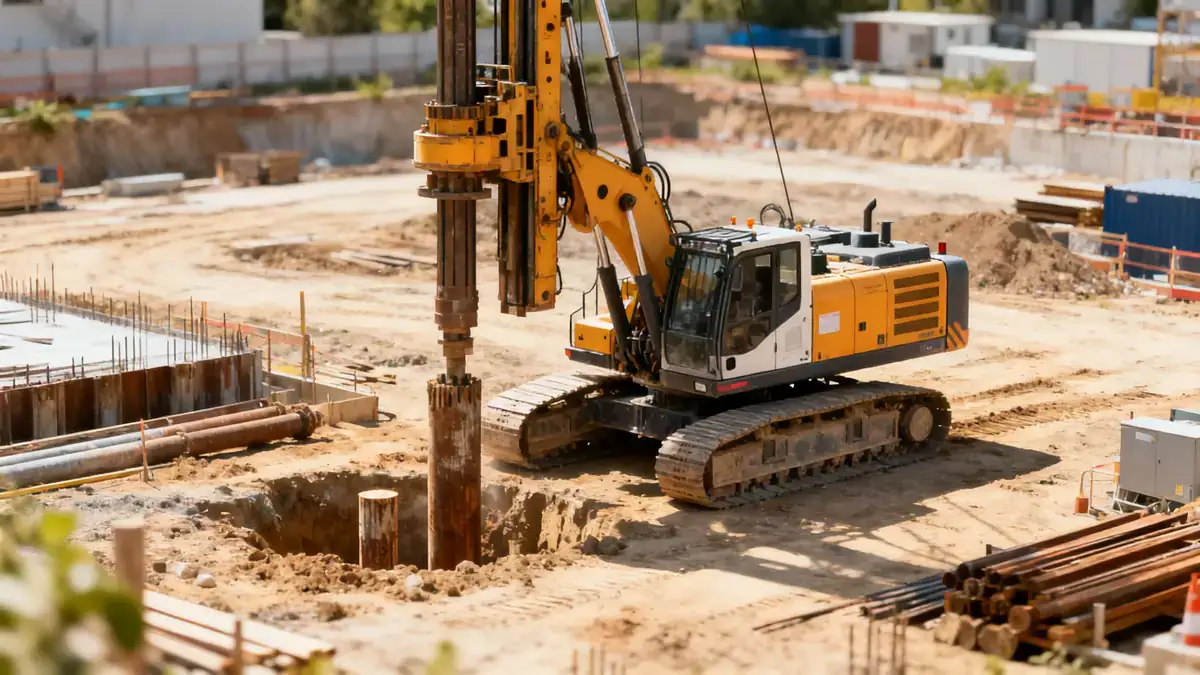
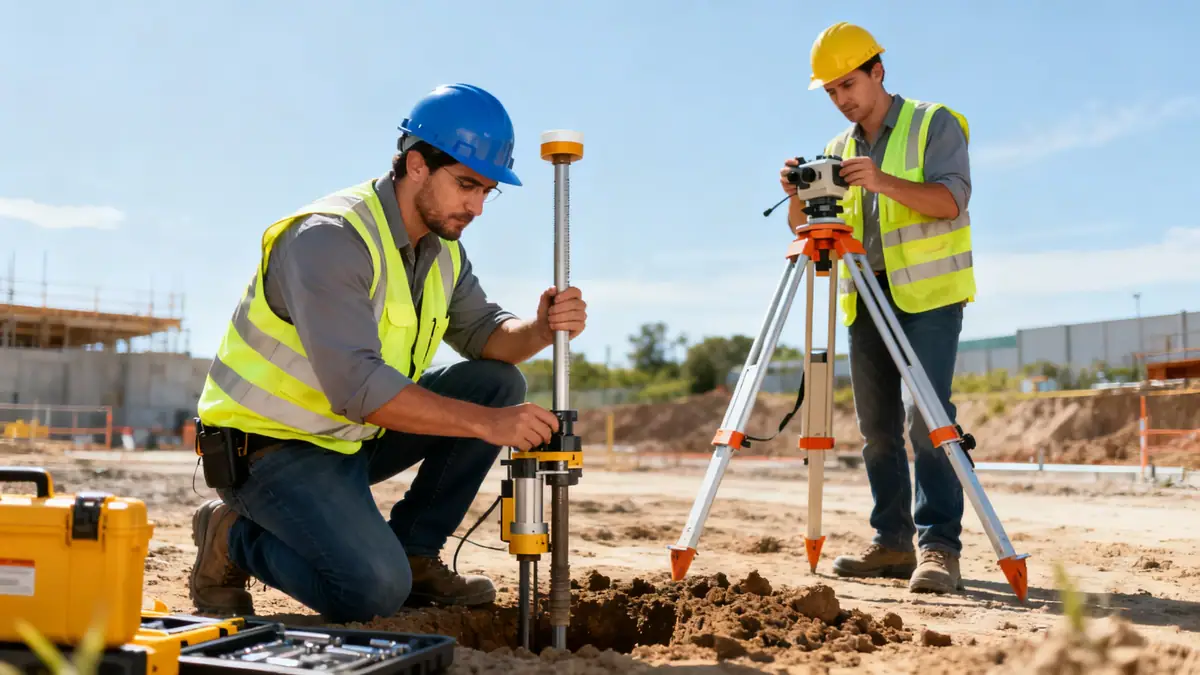
Our methodology for geotechnical engineering in Indianapolis begins with a thorough review of existing geological maps and historical data. We then conduct field exploration programs including spt boring to characterize soil strata and groundwater conditions. Laboratory testing on recovered samples follows ASTM standards to determine index properties, strength, and compressibility. We integrate these data with site-specific seismic hazard analysis per ASCE 7-16 to develop recommendations for foundation design and earthworks. Our approach ensures that all projects meet local regulatory requirements and industry best practices.
Reference Technical Parameters
| Parameter | Reference Value |
|---|---|
| Predominant soil type | Glacial till (silty clay with sand and gravel) |
| Maximum seismic acceleration (PGA) | 0.10g to 0.15g (ASCE 7-16 Site Class C/D) |
| Typical groundwater level | 10 to 20 feet below ground surface |
| Bedrock depth | 100 to 200 feet (shale and limestone) |
| Typical N60 range | 10 to 30 blows per foot (glacial till) |
Local Considerations — Indianapolis
Indianapolis sits on thick glacial deposits overlying sedimentary bedrock. The predominant soils are stiff to hard silty clays and dense sands/gravels, with occasional soft zones in buried valleys. Groundwater is generally deep but can be perched in localized sand lenses. Seismic hazard is low to moderate, with a peak ground acceleration of 0.10g to 0.15g per ASCE 7-16. Older downtown buildings may require seismic retrofitting. Typical projects include residential subdivisions, commercial plazas, and industrial facilities. Our team in Indianapolis coordinates with local geotechnical professionals and has access to our regional resources from geotechnical engineering en Chicago. For subsurface investigations, we utilize soil mechanics laboratory testing to refine design parameters.
Request a Quote
Our team reviews your project and issues an initial report at no cost.
Or write us directly at [email protected]
Services in Indianapolis
Applicable Standards
- ASTM D1586
- ASCE 7-16
- Indiana Building Code (IBC 2018)
- ASTM D2487 (Unified Soil Classification System)
Frequently Asked Questions
What types of soil are commonly found in Indianapolis?
Indianapolis is underlain by glacial till, a heterogeneous mixture of silty clay, sand, gravel, and occasional cobbles. This soil is generally stiff to hard, providing good bearing capacity for shallow foundations. However, localized soft zones or lenses of sand may require deeper foundations or ground improvement.
Is seismic design required for buildings in Indianapolis?
Yes, seismic design is required per ASCE 7-16 and the Indiana Building Code. The peak ground acceleration (PGA) for Indianapolis ranges from 0.10g to 0.15g, corresponding to Seismic Design Category B or C. Site-specific response spectra may be needed for critical structures.
When is a geotechnical investigation mandatory in Indianapolis?
The Indiana Building Code requires a geotechnical investigation for most commercial and multi-family residential projects. Single-family homes on conventional foundations may be exempt, but a geotechnical study is recommended to identify potential subsurface variability and ensure adequate foundation performance.