Methodology
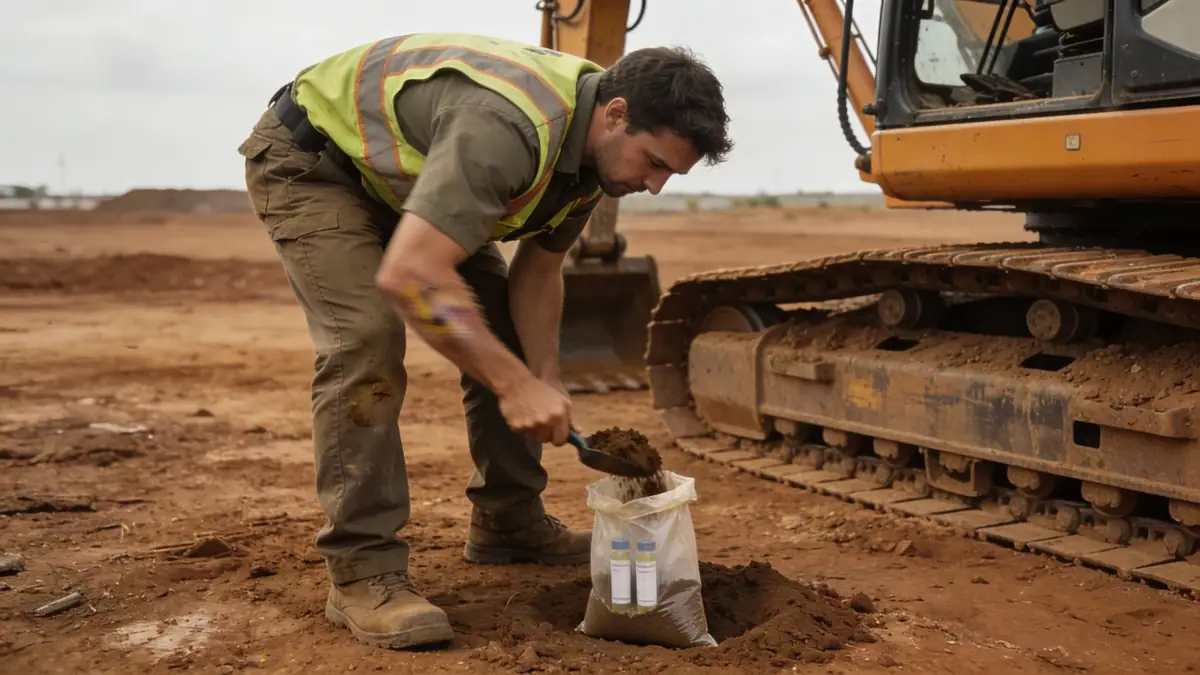
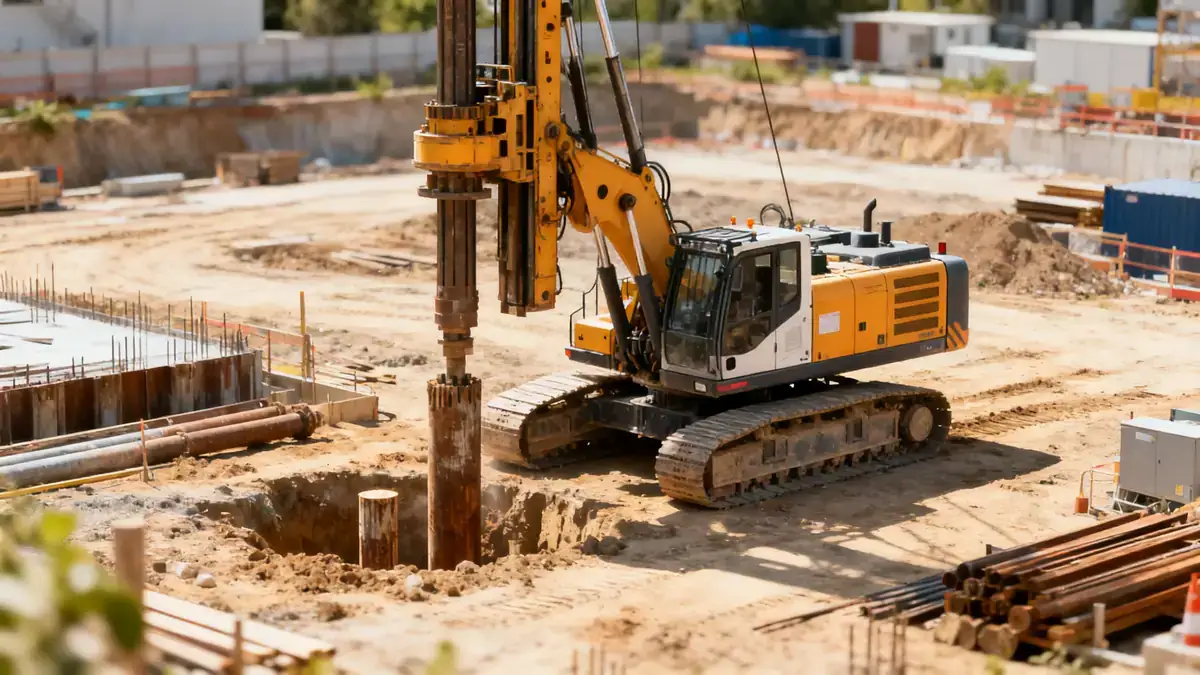
Our methodology for geotechnical engineering in Irvine begins with a comprehensive review of existing geological and seismic data. We then conduct field investigations, including spt boring to characterize subsurface stratigraphy and obtain soil samples for laboratory testing. Our approach follows ASTM D1586 standards for Standard Penetration Test procedures, with borings typically advanced to depths of 8 to 15 meters for residential projects and up to 30 meters for commercial structures. Laboratory testing includes index properties, strength, and consolidation tests to develop site-specific design parameters.
Reference Technical Parameters
| Parameter | Reference Value |
|---|---|
| Predominant Soil Type | Alluvial sands, silts, and clays with occasional gravel layers |
| Maximum Seismic Acceleration (PGA) | 0.4g to 0.6g (ASCE 7-16 Site Class D) |
| Typical Groundwater Level | 5 to 15 feet below ground surface |
| Bedrock Depth | Variable, typically greater than 100 feet |
| Typical N60 Range | 5 to 30 blows per foot (sands); 2 to 15 blows per foot (clays) |
Local Considerations — Irvine
Irvine's geology is characterized by young alluvial deposits from the Santa Ana River and San Diego Creek, resulting in variable soil profiles with interbedded sands, silts, and clays. High groundwater levels are common, requiring dewatering considerations for excavations. Seismic hazards include ground shaking from nearby faults such as the Newport-Inglewood and San Andreas, with liquefaction potential in saturated loose sands. Our team provides specialized analysis for these conditions, and we offer soil mechanics laboratory testing to evaluate soil behavior under seismic loading. Each project benefits from our understanding of Irvine's micro-zones, from the Irvine Business Complex to Orange County Great Park.
Request a Quote
Our team reviews your project and issues an initial report at no cost.
Or write us directly at [email protected]
Services in Irvine
Applicable Standards
- ASTM D1586 (Standard Penetration Test)
- ASCE 7-16 (Minimum Design Loads for Buildings and Other Structures)
- California Building Code (CBC) 2022
- City of Irvine Municipal Code – Grading and Excavation
- ASTM D2487 (Classification of Soils for Engineering Purposes)
Frequently Asked Questions
What are the typical soil conditions in Irvine?
Irvine's soils are predominantly alluvial deposits consisting of sands, silts, and clays, often interlayered. Groundwater is shallow, typically 5 to 15 feet deep, and soil density varies from loose to medium dense. These conditions require careful evaluation for foundation design and seismic response.
What seismic design considerations apply in Irvine?
Irvine is in Seismic Zone 4 per the California Building Code, with peak ground accelerations up to 0.6g. Soil liquefaction and settlement potential must be assessed for sites with loose saturated sands. Our geotechnical reports provide site-specific seismic parameters per ASCE 7-16.
Are geotechnical studies required for construction in Irvine?
Yes, the City of Irvine typically requires a geotechnical investigation for grading permits and building permits. The study must address soil bearing capacity, settlement, seismic hazards, and groundwater conditions. Our firm prepares reports that meet all local requirements.