Methodology
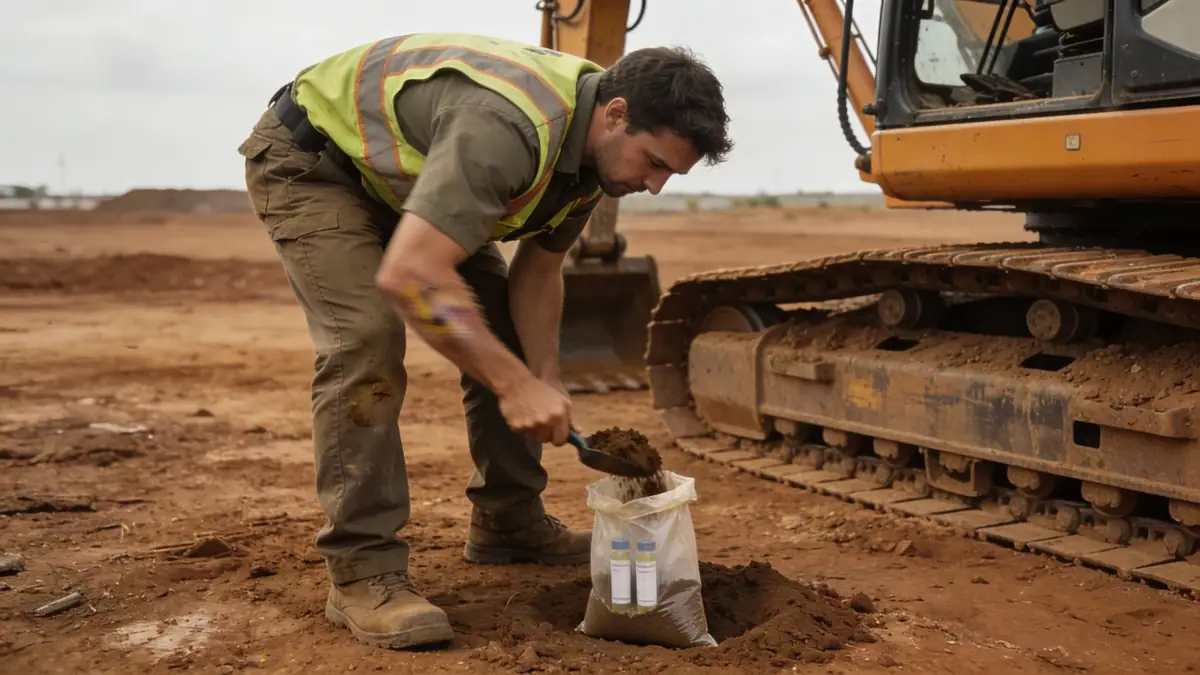
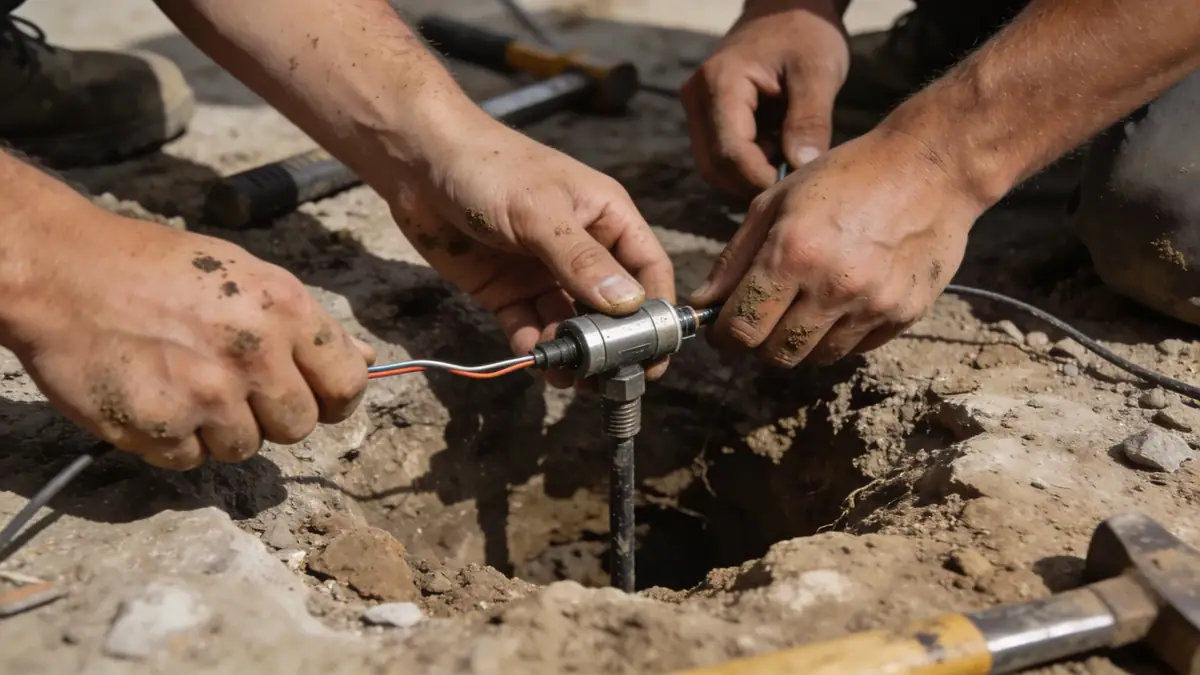
Our approach to geotechnical engineering in Jackson Mississippi integrates thorough field investigations, including spt boring to recover disturbed and undisturbed samples for laboratory testing. We employ continuous sampling in loess deposits to capture variations in density and moisture content, which directly influence bearing capacity and settlement. Advanced laboratory testing, such as consolidation and direct shear, is used to quantify collapse potential and shear strength parameters. All fieldwork adheres to ASTM D1586 for standard penetration tests, ensuring consistent and reliable data for foundation design.
Reference Technical Parameters
| Parameter | Reference Value |
|---|---|
| Predominant soil type | Loess (silt) and alluvial deposits |
| Maximum seismic acceleration (PGA) | 0.15 g (ASCE 7-16, Site Class D) |
| Typical groundwater level | 3 to 6 meters below ground surface |
| Bedrock depth | 30 to 60 meters (Jackson Dome area) |
| Typical N60 range (SPT) | 5 to 20 blows per foot in loess |
Local Considerations — Jackson Mississippi
The loess soils of Jackson Mississippi require special attention due to their collapsible nature. Seasonal wetting can trigger sudden settlement, particularly in poorly drained areas. Our team evaluates collapse potential through double-oedometer tests and recommends appropriate foundation designs, such as deep foundations or soil improvement. Additionally, the region is within Seismic Design Category C per ASCE 7, with peak ground acceleration of 0.15 g. We incorporate these factors into our analyses, referencing local building codes and national standards. For complex projects, we coordinate with our main office offering geotechnical engineering en Houston to leverage broader expertise. For further details on our approach to challenging soils, see our soil mechanics laboratory page.
Request a Quote
Our team reviews your project and issues an initial report at no cost.
Or write us directly at [email protected]
Services in Jackson Mississippi
Applicable Standards
- ASTM D1586
- ASCE 7-16
- IBC 2021
- Mississippi Building Code
Frequently Asked Questions
What are the main soil types encountered in Jackson Mississippi?
The dominant soil is loess, a wind-deposited silt that can be over 30 meters thick. Alluvial deposits are also common along the Pearl River. Loess is highly erodible and collapsible when wet, requiring careful geotechnical evaluation.
Is seismic design required for structures in Jackson Mississippi?
Yes, Jackson falls under Seismic Design Category C per ASCE 7-16, with a maximum considered earthquake spectral response acceleration (S_s) of 0.15 g. Structures must comply with the Mississippi Building Code, which adopts ASCE 7 provisions.
Are geotechnical studies mandatory for construction in Jackson Mississippi?
For most commercial and multi-family residential projects, a geotechnical investigation is required by the Mississippi Building Code. Single-family homes may not be explicitly required, but a geotechnical report is strongly recommended due to the collapsible loess soils.