Methodology
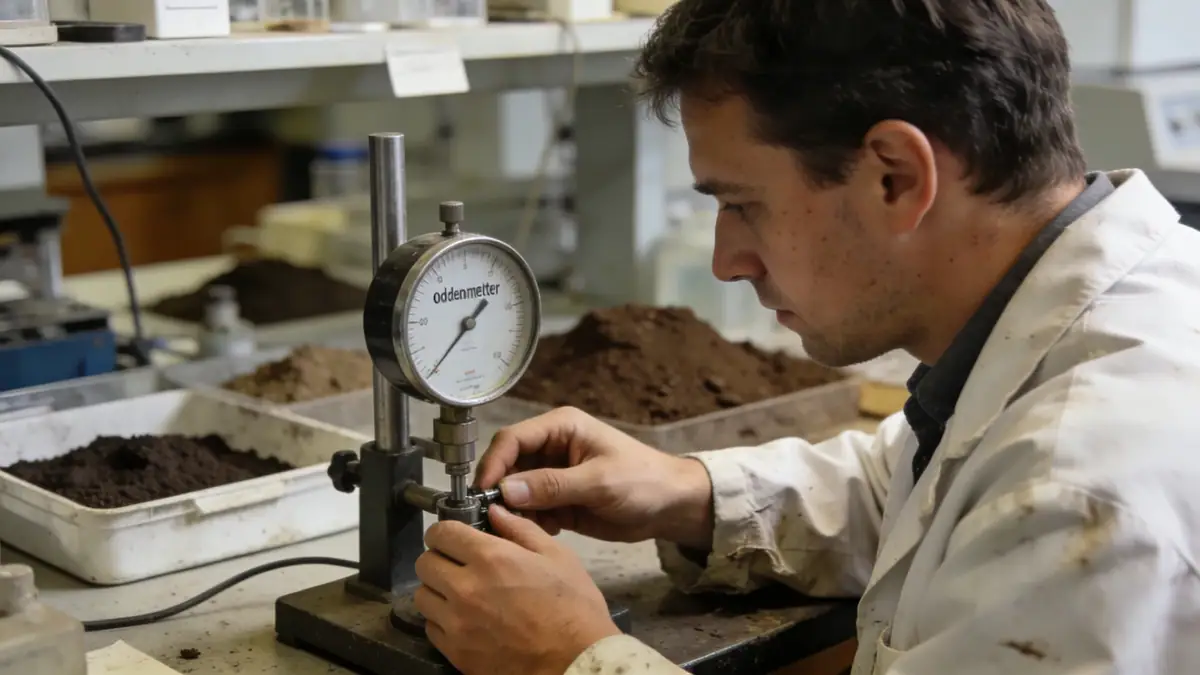
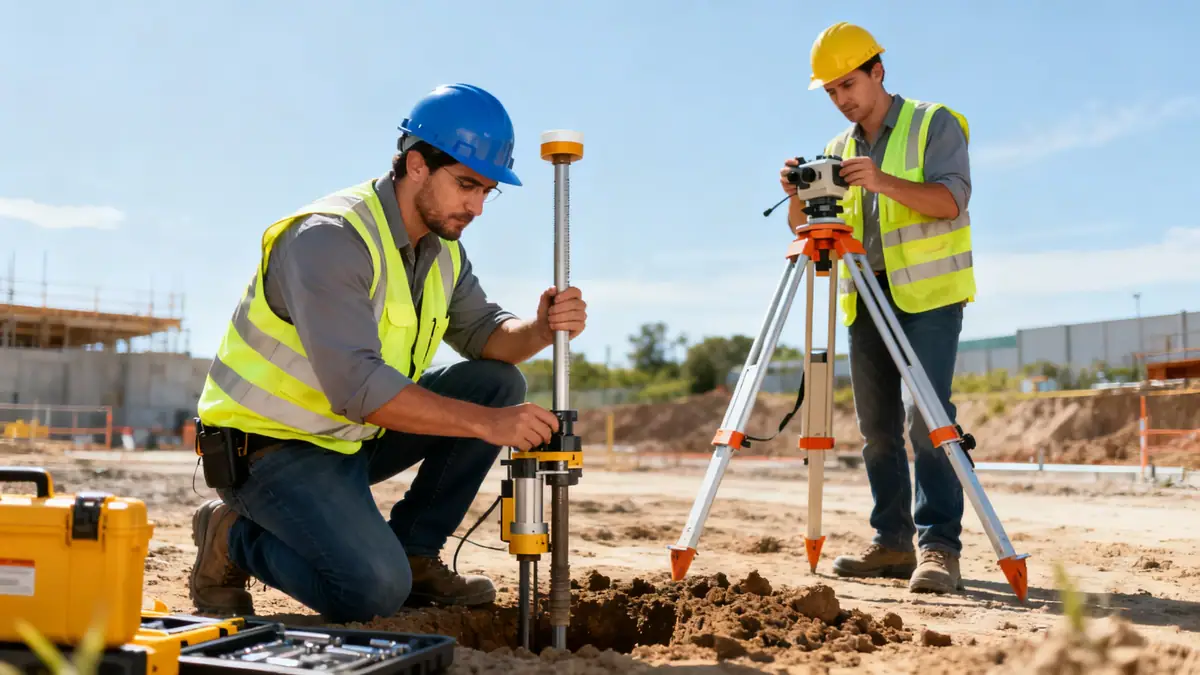
Our approach to geotechnical engineering in Jacksonville integrates field exploration, laboratory testing, and analytical modeling. We typically perform spt boring at intervals of 1.5 m to capture soil stratification and obtain N60 values per ASTM D1586. In coastal areas, cone penetration testing is employed for continuous profiling. Laboratory analyses include grain size distribution, Atterberg limits, and consolidation tests to evaluate compressibility and strength. All data inform slope stability and foundation design, complying with ASCE 7 seismic provisions. Our methodology emphasizes risk mitigation and adherence to local building codes, ensuring robust recommendations for every project in Jacksonville.
Reference Technical Parameters
| Parameter | Reference Value |
|---|---|
| Predominant Soil Type | Sand (SP, SM) with clay layers |
| Maximum Seismic Acceleration (PGA) | 0.10g (ASCE 7 Site Class D) |
| Typical Groundwater Level | 1.5–3.0 m below surface |
| Bedrock Depth | > 30 m (limestone at depth) |
| Typical N60 Range | 5–30 blows/300 mm |
Local Considerations — Jacksonville
Jacksonville's geology is dominated by Quaternary sands and Pleistocene terrace deposits, with clay lenses in the western areas. High groundwater levels (1.5–3 m) necessitate dewatering or drainage solutions for excavations. Seismic hazard is moderate (PGA 0.10g), but liquefaction potential exists in loose saturated sands near the St. Johns River. Our team is also active in soil mechanics laboratory testing to characterize these conditions. For projects requiring regional support, we coordinate with our geotechnical engineering in Atlanta office to leverage broader expertise. Local case studies include foundation design for riverfront structures and slope stabilization along bluffs.
Request a Quote
Our team reviews your project and issues an initial report at no cost.
Or write us directly at [email protected]
Services in Jacksonville
Applicable Standards
- ASCE 7-22 (Minimum Design Loads and Associated Criteria for Buildings)
- ASTM D1586 (Standard Test Method for Standard Penetration Test)
- ASTM D2487 (Classification of Soils for Engineering Purposes)
- Florida Building Code (2023)
- Jacksonville Ordinance Chapter 656 (Stormwater Management)
Frequently Asked Questions
What soil types are common in Jacksonville?
Jacksonville predominantly features sandy soils (SP, SM) with interbedded clay layers, especially in western areas. Coastal zones have clean beach sands, while inland regions contain silty sands and occasional organic deposits near wetlands.
Does Jacksonville have seismic design requirements?
Yes, ASCE 7-22 maps classify Jacksonville as Seismic Design Category B with a PGA of 0.10g. While earthquake risk is moderate, soil liquefaction assessment is required for loose, saturated sands in riverine areas per the Florida Building Code.
Are geotechnical studies mandatory for construction in Jacksonville?
For most commercial and multi-family projects, the Florida Building Code requires a geotechnical investigation. Single-family homes may not require one unless site conditions warrant, but our firm recommends studies for any significant development to mitigate risks.