Methodology
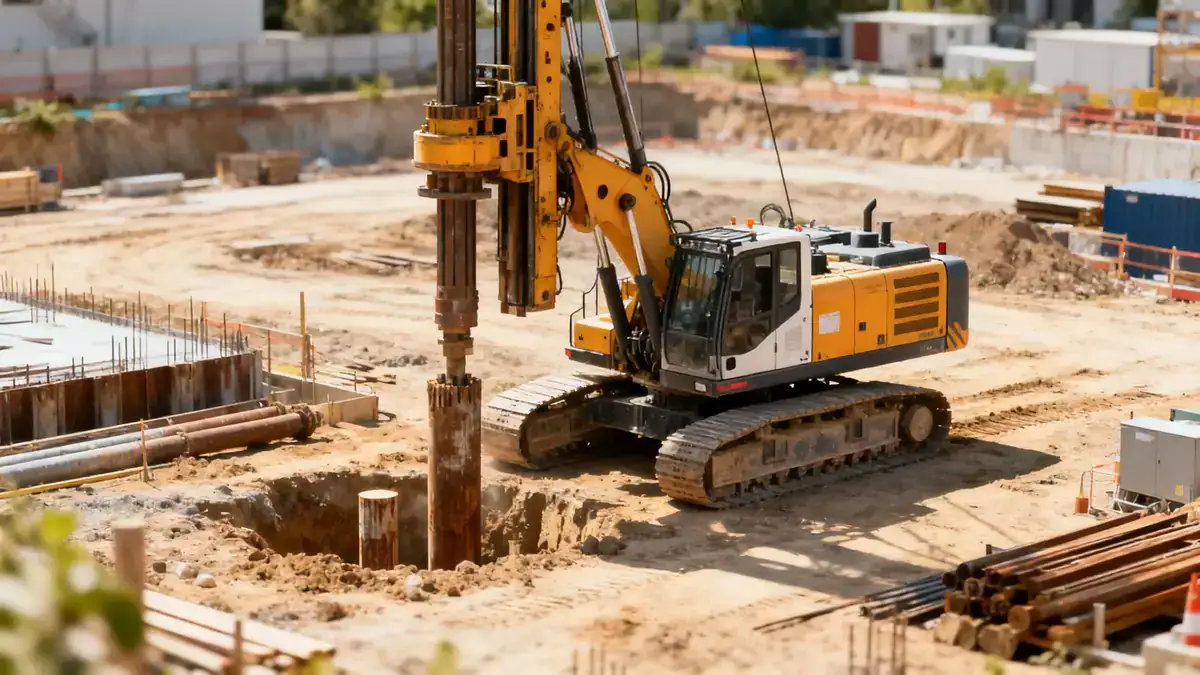
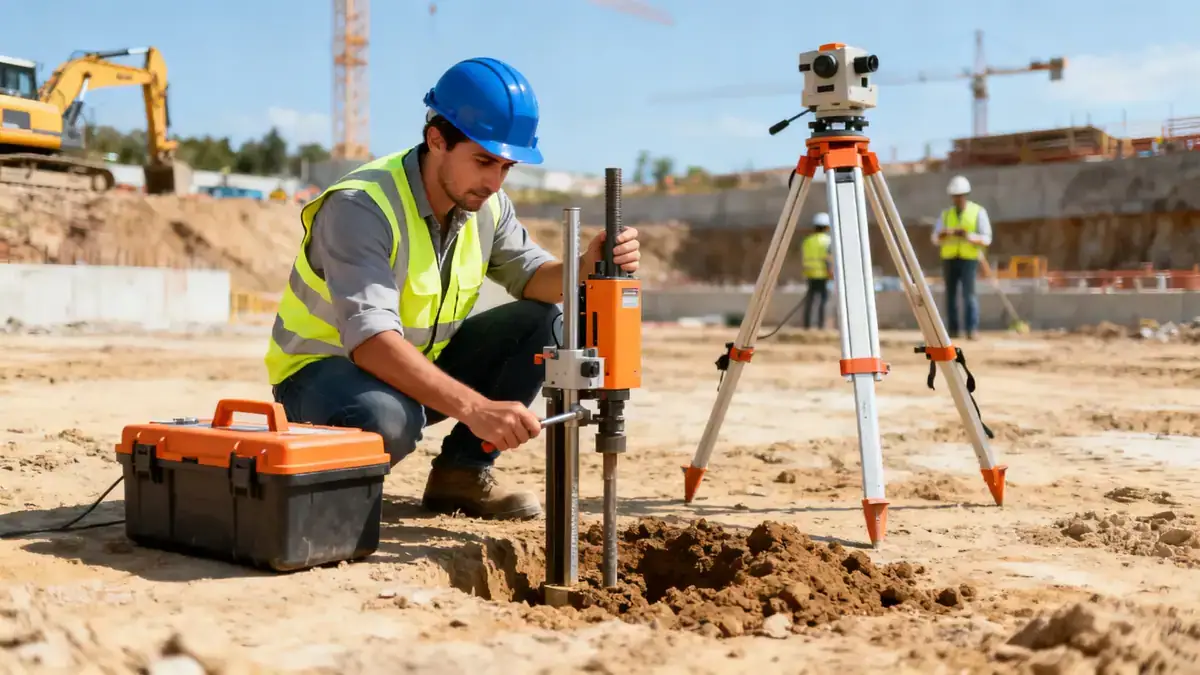
Our methodology in Jersey City begins with a thorough review of existing geological data and site history. We then conduct field exploration programs tailored to the project scale, including spt boring to characterize soil strata and obtain undisturbed samples. Laboratory testing follows ASTM standards to determine index properties, strength, and compressibility. For waterfront sites, we incorporate groundwater monitoring and tidal influence assessments. All data is synthesized into a geotechnical model that supports foundation design, slope stability analyses, and earth retention recommendations. Our approach aligns with the project's risk profile and regulatory requirements, ensuring reliable outcomes for every phase of development.
Reference Technical Parameters
| Parameter | Reference Value |
|---|---|
| Predominant soil type | Glacial till, sand, silt, and organic deposits overlying shale bedrock |
| Maximum seismic acceleration (PGA) | 0.15–0.20 g (ASCE 7-16, Site Class C/D) |
| Typical groundwater level | 5–15 ft below grade, with tidal fluctuations near Hudson River |
| Bedrock depth | 50–200 ft; shallow in western areas, deeper toward waterfront |
| Typical N60 range (SPT) | 4–30 blows/ft; lower in organic deposits, higher in till |
Local Considerations — Jersey City
Jersey City's geology is dominated by glacial deposits overlying the Newark Basin's shale and sandstone. The waterfront areas feature deep fill and soft organic clays, requiring careful consideration for settlement and lateral earth pressures. Seismic site classification often falls into Site Class C or D per ASCE 7-16, with peak ground accelerations up to 0.20 g. Groundwater levels are shallow and tidally influenced near the Hudson River, necessitating dewatering and hydrostatic uplift analyses. The city's dense urban fabric poses logistical constraints for site access and noise/vibration limits. Our team leverages experience from geotechnical engineering en New York to address these challenges, adapting best practices to local conditions. We also collaborate with local agencies to ensure compliance with NJDEP flood hazard regulations and the New Jersey Uniform Construction Code.
Request a Quote
Our team reviews your project and issues an initial report at no cost.
Or write us directly at [email protected]
Services in Jersey City
Applicable Standards
- ASTM D1586
- ASCE 7-16
- New Jersey Uniform Construction Code (UCC)
- NJDEP Flood Hazard Area Control Act Rules
- New Jersey Residential Site Improvement Standards (RSIS)
Frequently Asked Questions
What are the typical soil conditions found in Jersey City?
Jersey City's subsurface consists of glacial till, sands, silts, and organic deposits overlying Newark Basin shale and sandstone. Fill materials are common along the waterfront, while western areas have shallower bedrock. Groundwater levels are shallow and can be tidally influenced near the Hudson River.
Is a geotechnical investigation required for building permits in Jersey City?
Yes, the New Jersey Uniform Construction Code mandates subsurface investigations for most new structures and major renovations. The scope depends on building size, occupancy, and site conditions. Our firm prepares reports that satisfy local building department requirements and support foundation design.
How does seismic risk affect foundation design in Jersey City?
Jersey City is in Seismic Design Category B or C per ASCE 7-16, with PGA values of 0.15–0.20 g. Site-specific response spectra are often required for critical structures. Our analyses incorporate local soil amplification effects and recommend appropriate foundation types to mitigate liquefaction and settlement risks.