Methodology
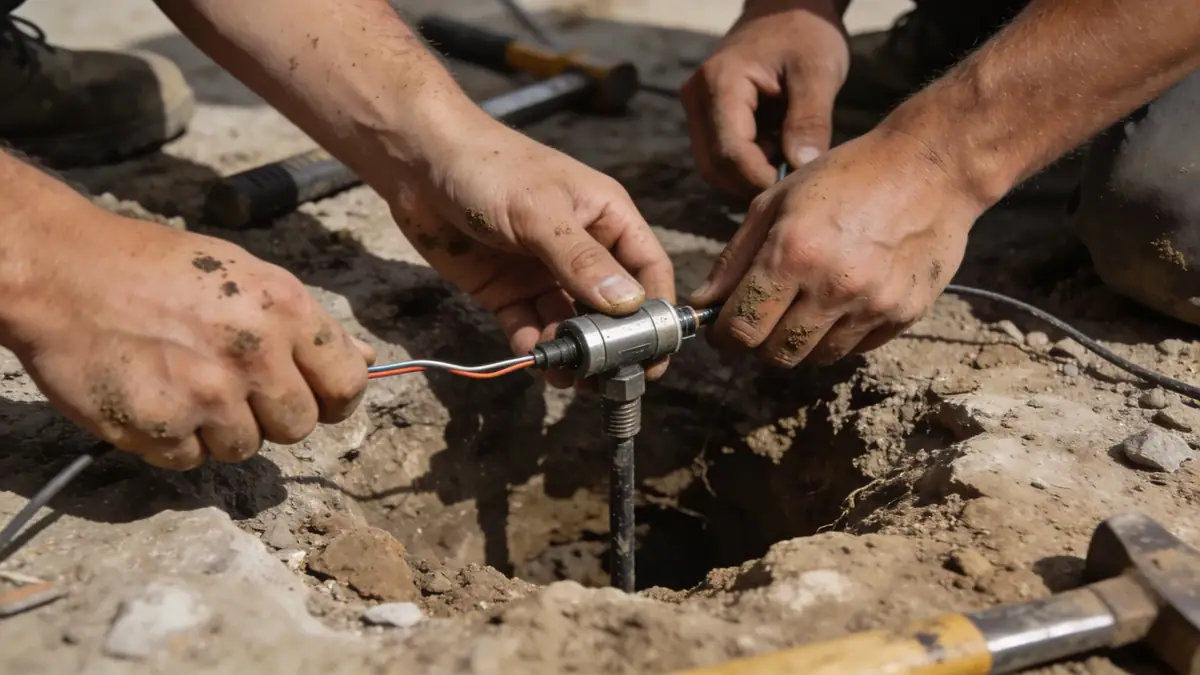
Our approach to geotechnical engineering in Juneau Alaska integrates detailed subsurface exploration and advanced laboratory testing. Field investigations typically include spt boring at intervals of 1.0 to 1.5 meters per ASTM D1586, with depths ranging from 8 to 15 meters for residential projects and up to 30 meters for commercial structures. Continuous soil sampling and standard penetration tests (SPT) provide N60 values that inform bearing capacity and settlement analyses. Laboratory testing, conducted in our soil mechanics laboratory, includes grain size distribution (ASTM D6913), Atterberg limits (ASTM D4318), and direct shear tests (ASTM D3080) to characterize soil strength. This methodology ensures design parameters are tailored to local conditions.
Reference Technical Parameters
| Parameter | Reference Value |
|---|---|
| Predominant soil type | Silty sand and gravel (glacial till) |
| Maximum seismic acceleration (PGA) | 0.6g (ASCE 7-16) |
| Typical groundwater level | 1 to 3 meters below ground surface |
| Bedrock depth | 10 to 30 meters |
| Typical N60 range | 20 to 50 blows per 0.3 m |
Local Considerations — Juneau Alaska
Juneau's geology presents five key factors for geotechnical engineering: (1) glacial till with cobbles complicates drilling; (2) shallow groundwater requires dewatering for excavations; (3) high seismicity demands site-specific response spectra per ASCE 7; (4) variable bedrock depth between downtown (shallow) and Mendenhall Valley (deep); (5) permafrost is absent but seasonal frost affects shallow foundations. Our team has extensive experience with these conditions, supporting projects from residential to infrastructure. For regional context, see our geotechnical engineering en Seattle operations. Additionally, our slope stability analyses are crucial for hillside developments in Juneau.
Request a Quote
Our team reviews your project and issues an initial report at no cost.
Or write us directly at [email protected]
Services in Juneau Alaska
Applicable Standards
- ASTM D1586
- ASCE 7-16
- ASTM D6913
- ASTM D4318
- ASTM D3080
- International Building Code (IBC) 2021
Frequently Asked Questions
What are the typical soil conditions in Juneau Alaska?
Soils are predominantly glacial till, consisting of silty sands and gravels with occasional cobbles and boulders. Groundwater is shallow, typically 1 to 3 meters deep. Bedrock depth varies from 10 to 30 meters, with shallower depths in downtown areas.
What seismic design criteria apply in Juneau?
Juneau is in Seismic Design Category D or E per ASCE 7-16, with a maximum considered earthquake (MCE) PGA of 0.6g. Site-specific response spectra are often required for critical structures due to the proximity to the Fairweather Fault.
Are geotechnical investigations mandatory for construction in Juneau?
Yes, the City and Borough of Juneau typically require geotechnical reports for new buildings, especially in high-seismicity zones. Studies must address soil bearing capacity, settlement, liquefaction potential, and lateral earth pressures per IBC 2021.