Methodology
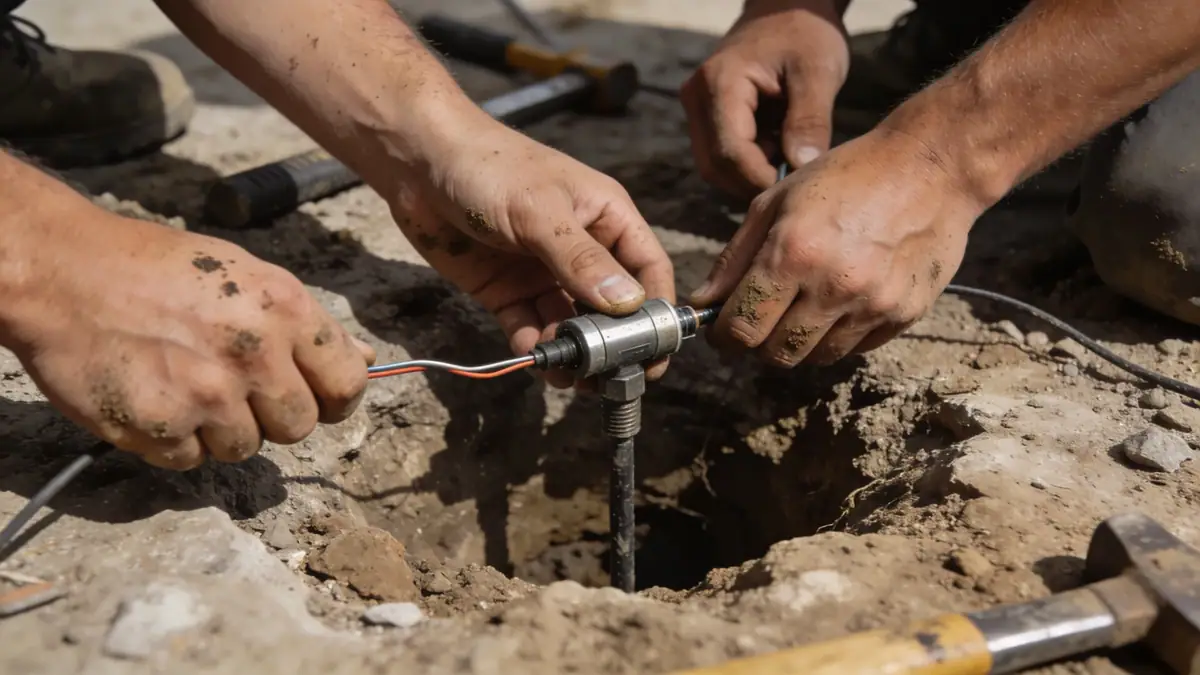
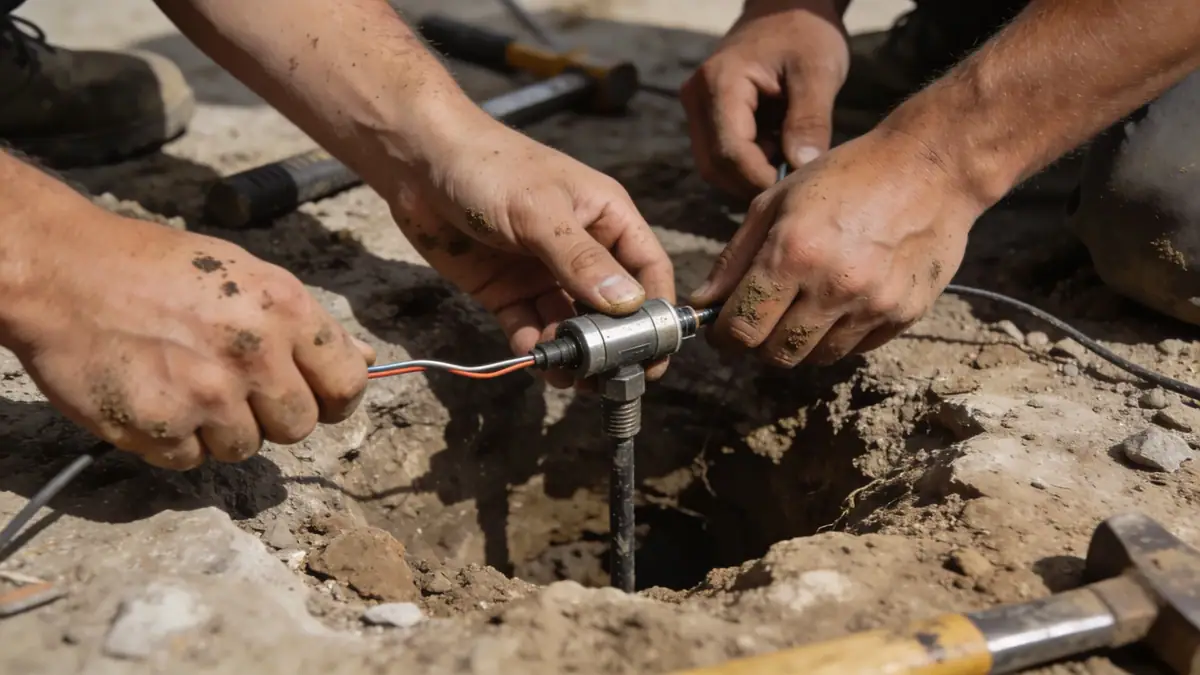
Our methodology for geotechnical engineering in Kansas City integrates field exploration, laboratory testing, and analytical modeling. We perform site investigations using standard penetration testing (SPT) per ASTM D1586 and cone penetration testing (CPT) to characterize subsurface conditions. Our in-house soil mechanics laboratory provides index properties, strength, and consolidation tests. For slope stability and retaining wall design, we use limit equilibrium and finite element methods. Seismic hazard assessments follow ASCE 7-16 to determine design ground motions. Our approach is tailored to the local geology, including loess deposits and limestone bedrock, ensuring accurate recommendations for foundations, earthworks, and pavements.
Reference Technical Parameters
| Parameter | Reference Value |
|---|---|
| Predominant soil type | Clay (CH), loess, and residual soils |
| Maximum seismic acceleration (PGA) | 0.15g to 0.25g (ASCE 7-16) |
| Typical groundwater level | 5 to 15 m depth |
| Bedrock depth | 5 to 30 m (limestone/shale) |
| Typical N60 range | 4 to 15 blows/0.3 m (clay); 10 to 30 blows/0.3 m (sand) |
Local Considerations — Kansas City
Kansas City's geology is dominated by glacial till, loess, and clay soils overlying Pennsylvanian limestone and shale. Expansive clays cause seasonal volume changes, requiring deep foundations or soil treatment for light structures. The region has moderate seismicity (PGA up to 0.25g), with design per ASCE 7. Groundwater levels vary with topography and season, often encountered at 5–15 m depth. Karst features in limestone bedrock can create voids and sinkholes, necessitating careful subsurface exploration. Our team has extensive experience in these conditions, serving projects from downtown high-rises to suburban developments. For broader regional context, see our geotechnical engineering services in Chicago.
Request a Quote
Our team reviews your project and issues an initial report at no cost.
Or write us directly at [email protected]
Services in Kansas City
Applicable Standards
- ASTM D1586 (Standard Penetration Test)
- ASCE 7-16 (Minimum Design Loads for Buildings)
- IBC 2021 (International Building Code)
- Kansas City Building Code (Chapter 18 Soils and Foundations)
Frequently Asked Questions
What are the typical soil conditions in Kansas City?
Kansas City soils are predominantly clay (CH), loess, and residual soils over limestone and shale bedrock. Expansive clays are common, requiring careful foundation design. Groundwater is typically 5–15 m deep. Karst features may occur in limestone areas.
What seismic design parameters apply in Kansas City?
Kansas City falls in Seismic Design Category B or C per ASCE 7-16, with a maximum PGA of 0.15g to 0.25g. Site-specific response spectra may be required for critical facilities. Our team performs seismic hazard assessments to determine design ground motions.
Are geotechnical investigations required for all construction in Kansas City?
The Kansas City Building Code requires geotechnical investigations for most new structures, especially those with shallow foundations, retaining walls, or slopes. Local regulations may mandate site-specific studies for expansive soils or karst hazards. We recommend a subsurface exploration for any significant project.