Methodology

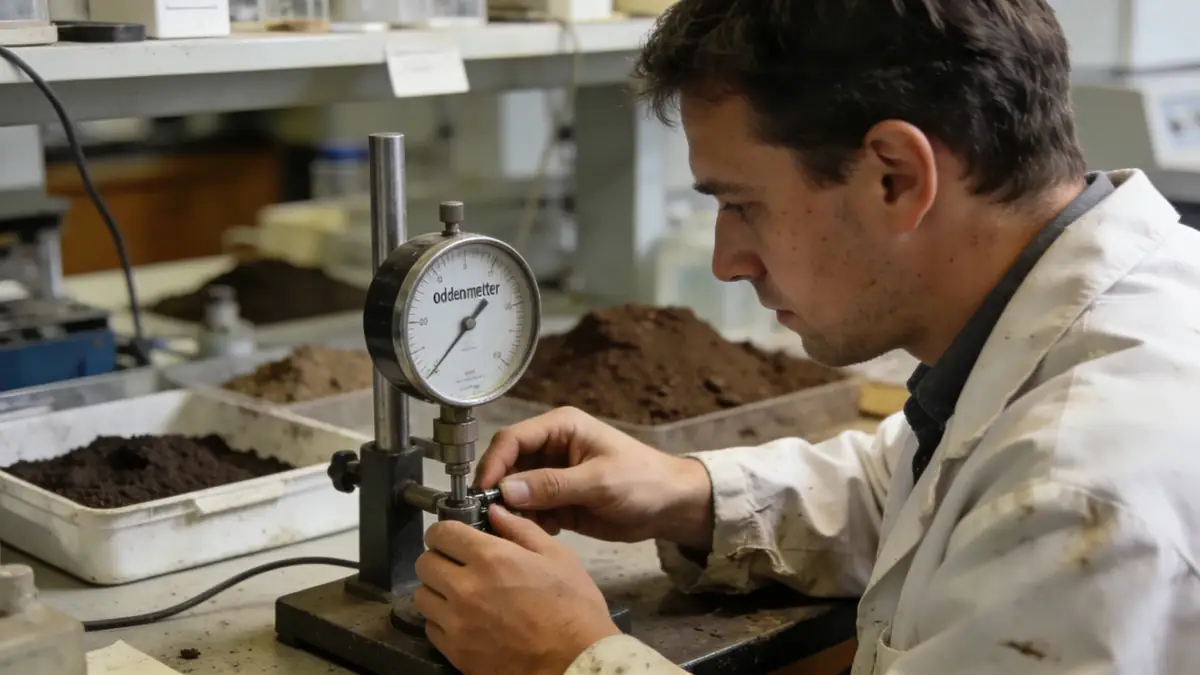
Our firm employs a systematic methodology for geotechnical engineering in Knoxville, beginning with a comprehensive review of regional geology and historical data. Field investigations typically include spt boring at intervals of 1.0 to 1.5 meters per ASTM D1586, with depths ranging from 8 to 15 meters for residential structures and up to 30 meters for industrial facilities. Laboratory testing follows ASTM standards to classify soils, determine strength parameters, and assess consolidation characteristics. This data is integrated with local seismic considerations, including peak ground acceleration values, to develop site-specific recommendations for foundation design and earthworks.
Reference Technical Parameters
| Parameter | Reference Value |
|---|---|
| Predominant soil type | Residual silty clay and clayey silt (ML/CL) |
| Maximum seismic acceleration (PGA) | 0.15g to 0.20g (ASCE 7-16, Site Class C/D) |
| Typical groundwater level | 2.0 to 5.0 meters below ground surface |
| Bedrock depth | Variable, typically 5 to 15 meters (shale/limestone) |
| Typical N60 range (SPT) | 8 to 30 blows/0.3m in residual soils |
Local Considerations — Knoxville
Knoxville's geology is dominated by residual soils derived from weathered shale and limestone, often exhibiting high plasticity and potential for shrink-swell behavior. The Tennessee River floodplain introduces alluvial deposits with variable groundwater conditions, requiring careful evaluation for deep foundations. Seismic hazard is moderate, with a PGA of 0.15–0.20g per ASCE 7-16, necessitating site-specific response analysis for critical structures. Urban redevelopment projects often encounter undocumented fill and prior foundations, demanding thorough investigation. For projects requiring regional comparison, our team also offers slope stability assessments across the broader Tennessee Valley, leveraging insights from our geotechnical engineering en Atlanta hub.
Request a Quote
Our team reviews your project and issues an initial report at no cost.
Or write us directly at [email protected]
Services in Knoxville
Applicable Standards
- ASTM D1586 (Standard Penetration Test)
- ASCE 7-16 (Minimum Design Loads for Buildings)
- IBC 2021 (International Building Code)
- Tennessee Department of Environment and Conservation (TDEC) Guidelines
Frequently Asked Questions
What types of soil are commonly found in Knoxville?
Knoxville typically features residual silty clays and clayey silts derived from weathered sedimentary rock. These soils often exhibit medium to high plasticity and may be prone to volume changes with moisture variations.
Are seismic considerations important for geotechnical engineering in Knoxville?
Yes, Knoxville lies in a moderate seismic zone with a PGA of 0.15–0.20g per ASCE 7-16. Site-specific seismic response analysis is recommended for essential facilities and structures on soft soils.
When are geotechnical studies required for construction in Knoxville?
Geotechnical studies are generally required for new building permits, especially for structures with deep foundations, expansive soils, or in floodplain areas. Local building officials often mandate subsurface investigations per IBC 2021.