Methodology
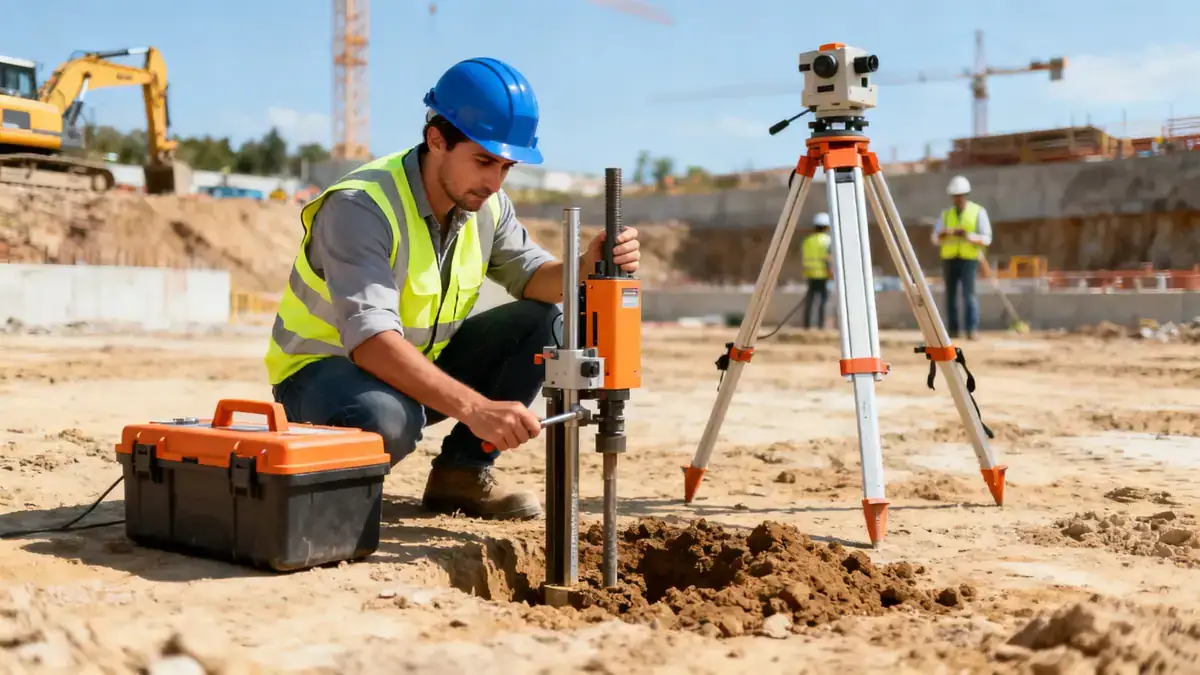
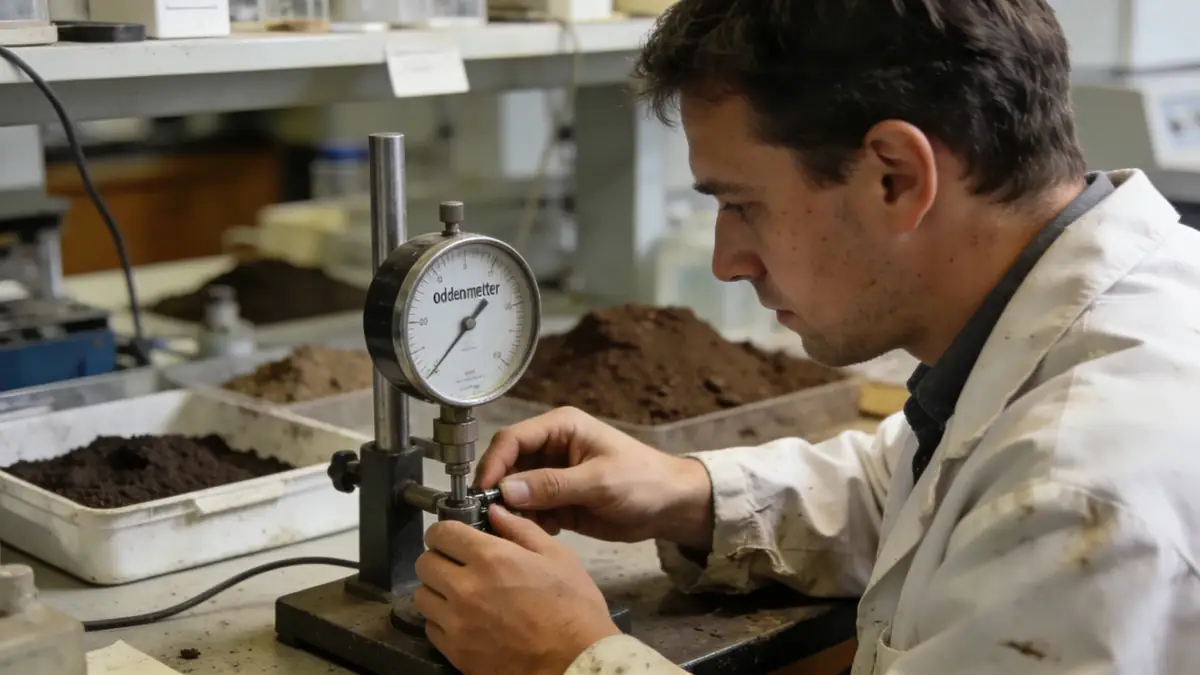
Our methodology for geotechnical engineering in Laramie begins with a thorough review of existing geological maps and nearby project records. We then conduct subsurface explorations, including spt boring to obtain soil samples and measure penetration resistance. In the laboratory, we perform classification tests (ASTM D2487) and strength tests (ASTM D3080) on representative samples. Field and lab data are integrated to develop soil profiles, bearing capacity estimates, and settlement analyses. Our team uses limit equilibrium methods for slope stability and applies LRFD principles for foundation design. All work adheres to applicable codes and client specifications.
Reference Technical Parameters
| Parameter | Reference Value |
|---|---|
| Predominant soil type | Clayey sands and gravels (SC-GP), with silt layers |
| Maximum seismic acceleration (PGA) | 0.20g (ASCE 7-16 Site Class D) |
| Typical groundwater level | 3–8 m below ground surface |
| Bedrock depth | 15–25 m (sandstone/shale) |
| Typical N60 range | 10–30 blows/0.3 m |
Local Considerations — Laramie
Laramie sits within the Laramie Basin, underlain by Quaternary alluvium and Tertiary sedimentary rocks. The soil profile often includes loose sands and soft clays near the surface, underlain by stiffer glacial till and bedrock. Expansive clay layers can cause foundation movement if not addressed. Seismicity is moderate due to proximity to the Laramie Range; peak ground acceleration is 0.20g per ASCE 7-16. Groundwater is typically deep but can rise seasonally, affecting excavations. Our team has extensive experience with these conditions, including soil mechanics laboratory testing for swell and collapsible soils. For regional context, we coordinate with our geotechnical engineering en Denver office.
Request a Quote
Our team reviews your project and issues an initial report at no cost.
Or write us directly at [email protected]
Services in Laramie
Applicable Standards
- ASTM D1586 (Standard Penetration Test)
- ASTM D2487 (Unified Soil Classification System)
- ASCE 7-16 (Minimum Design Loads and Associated Criteria for Buildings and Other Structures)
- IBC 2021 (International Building Code)
- Wyoming Department of Transportation Standard Specifications
Frequently Asked Questions
What are the typical soil conditions in Laramie for foundations?
Laramie soils commonly consist of clayey sands and gravels, with interbedded silt layers. Expansive clays are present in some areas, requiring swell testing. Our firm evaluates these conditions through field exploration and laboratory testing to recommend appropriate foundation types.
Is a geotechnical study required for residential construction in Laramie?
While not always mandatory for single-family homes, a geotechnical study is strongly recommended to identify soil variability and seismic risks. For commercial projects and subdivisions, local building officials typically require a report per IBC 2021.
What seismic design considerations apply in Laramie?
Laramie is in Seismic Design Category D per ASCE 7-16, with a mapped PGA of 0.20g. Site-specific response spectra may be needed for critical structures. Our team evaluates liquefaction potential and seismic settlement for sandy soils.