Methodology
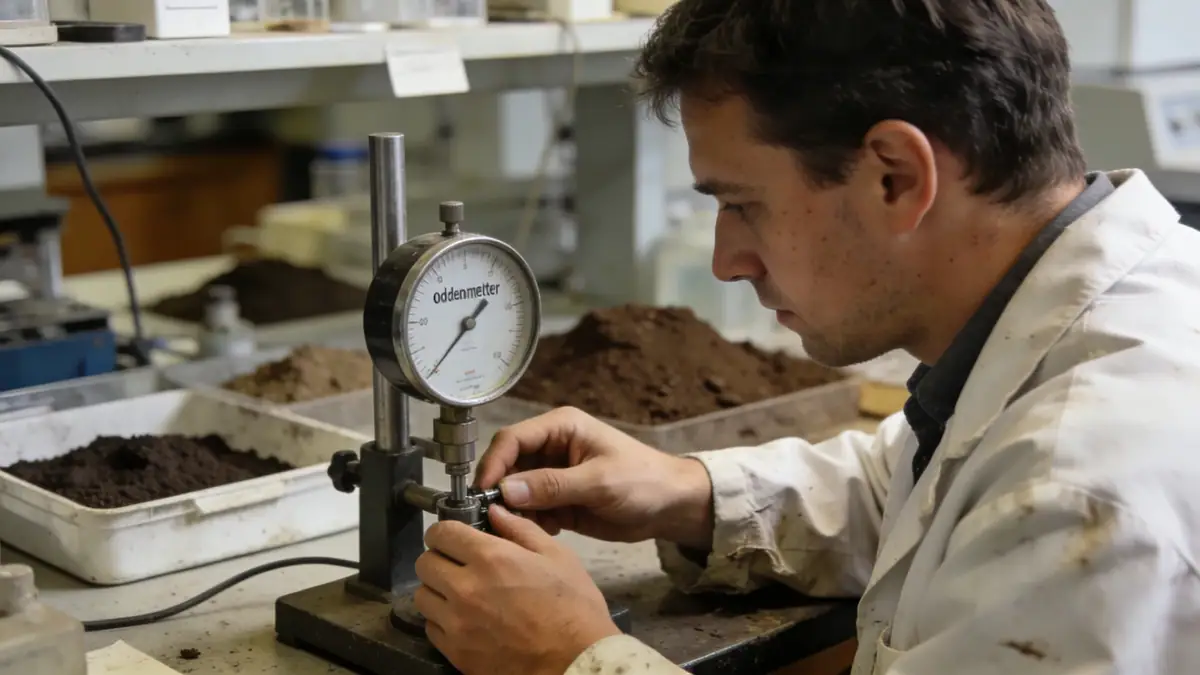
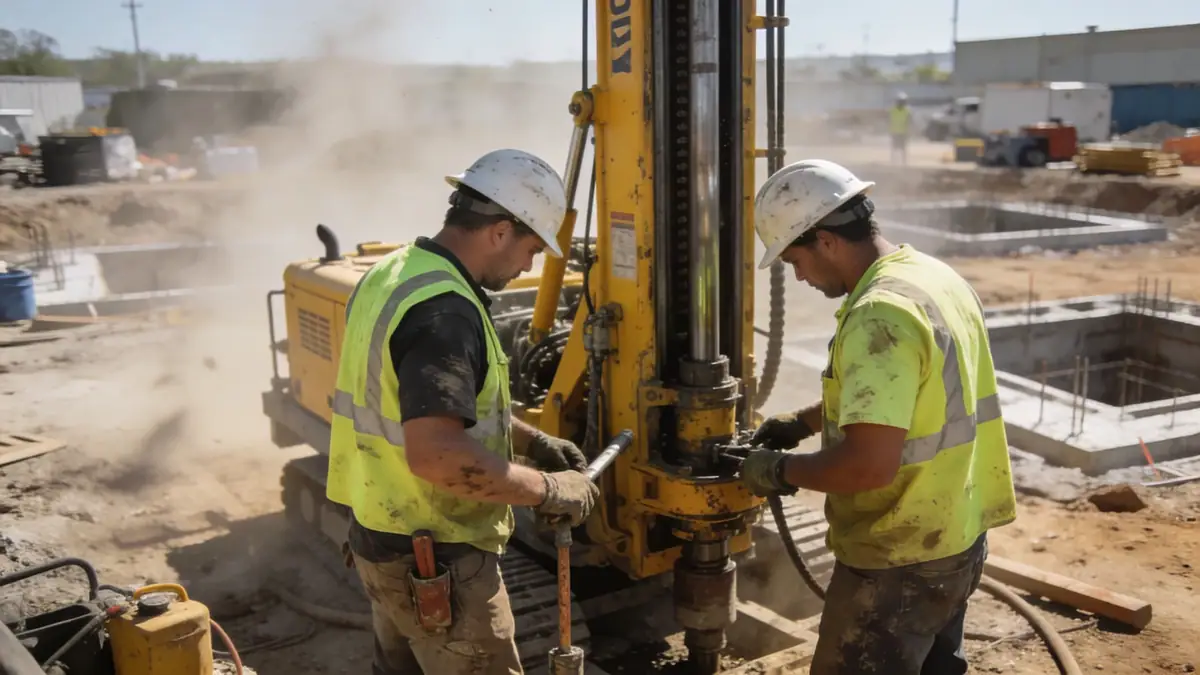
Our methodology for geotechnical engineering in Las Vegas integrates standard penetration testing (SPT) per ASTM D1586, continuous soil sampling, and geophysical surveys to map subsurface stratigraphy. We analyze soil collapse potential, expansion characteristics, and liquefaction susceptibility under seismic loading. Our laboratory program includes index properties, compaction, and strength testing to support foundation design and pavement sections. All work follows Nevada Division of Water Resources guidelines and local grading ordinances. For detailed site characterization, we employ spt boring techniques to obtain reliable N-values and undisturbed samples.
Reference Technical Parameters
| Parameter | Reference Value |
|---|---|
| Predominant soil type | Alluvial sands, silts, and gravels with interbedded clays |
| Maximum seismic acceleration (PGA) | 0.2–0.3g (ASCE 7 Seismic Design Category C–D) |
| Typical groundwater level | 3–15 m below grade, shallow near Las Vegas Wash |
| Bedrock depth | Variable; 15–30 m in basin center, shallower at margins |
| Typical N60 range (SPT) | 10–40 blows/0.3 m in natural alluvium; <10 in loose fills |
Local Considerations — Las Vegas
Las Vegas presents five key geotechnical considerations: (1) Alluvial soils with variable density and collapse potential upon wetting, requiring pre-wetting or deep foundation solutions. (2) Shallow groundwater in the Las Vegas Wash area, often within 3–5 m, affecting excavation and foundation design. (3) Moderate seismic hazard with peak ground acceleration (PGA) of 0.2–0.3g per ASCE 7, necessitating liquefaction and settlement analyses. (4) Contrast between older alluvial fans (dense, low collapse) and recent fills (loose, high collapse) requires careful site-specific evaluation. (5) Typical cases include slab-on-grade heave due to expansive clays in the eastern valley and differential settlement on compressible silts. For regional reference, our geotechnical engineering in Los Angeles team handles similar basin-fill challenges. Additional insights from our soil mechanics laboratory support collapse and expansion testing for local projects.
Request a Quote
Our team reviews your project and issues an initial report at no cost.
Or write us directly at [email protected]
Services in Las Vegas
Applicable Standards
- ASTM D1586 (Standard Penetration Test)
- ASCE 7-22 (Minimum Design Loads for Buildings)
- International Building Code (IBC) 2021
- Nevada Administrative Code (NAC) 623 (Professional Engineering)
- Clark County Grading Ordinance
Frequently Asked Questions
What are the typical soil conditions in Las Vegas for foundation design?
Las Vegas soils are predominantly alluvial sands, silts, and gravels deposited by ancient washes. These soils often exhibit collapse potential upon wetting and moderate expansion in clay-rich layers. Shallow groundwater occurs near the Las Vegas Wash. Site-specific investigations are essential to characterize variability and select suitable foundation types.
How does seismic risk affect geotechnical engineering in Las Vegas?
Las Vegas is in Seismic Design Category C–D per IBC, with PGA up to 0.3g. Geotechnical analyses must evaluate liquefaction potential in saturated sands, seismic settlement, and lateral spreading. Our firm incorporates these factors into foundation designs per ASCE 7 to ensure structural safety.
Are geotechnical studies mandatory for construction projects in Las Vegas?
Yes, Clark County and most local jurisdictions require geotechnical investigations for new construction, additions, and grading permits. The Nevada Administrative Code mandates that a professional engineer oversee subsurface exploration and reporting. Our team prepares reports compliant with these regulations to support permitting and design.