Methodology
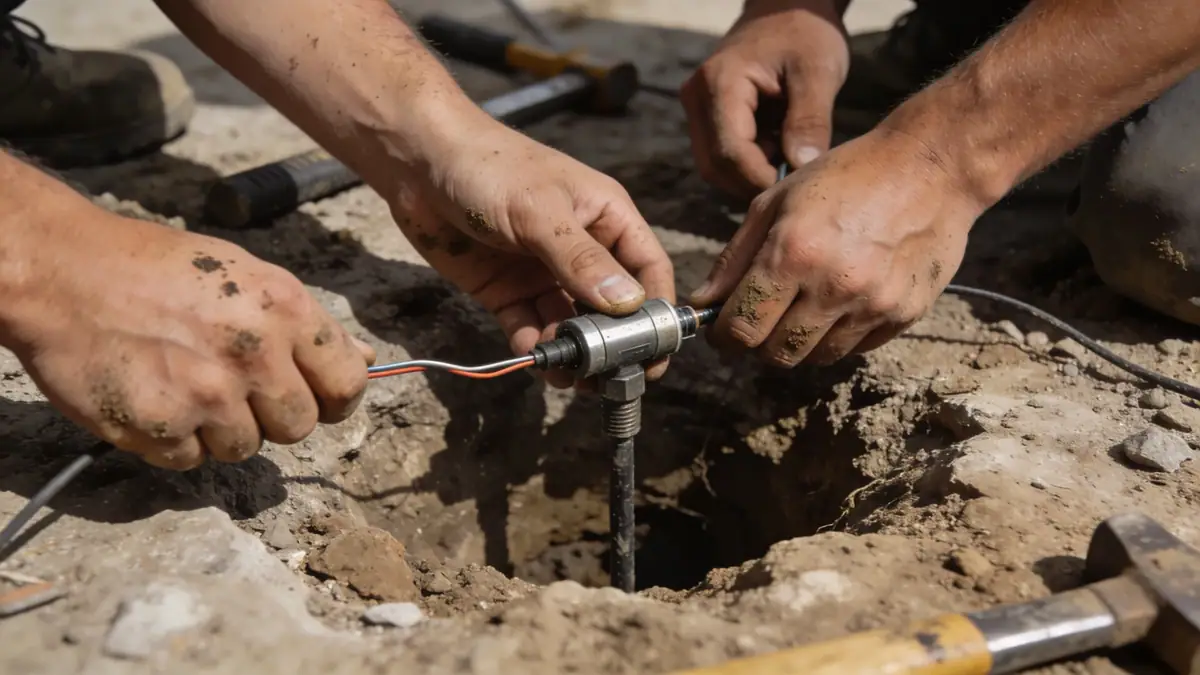
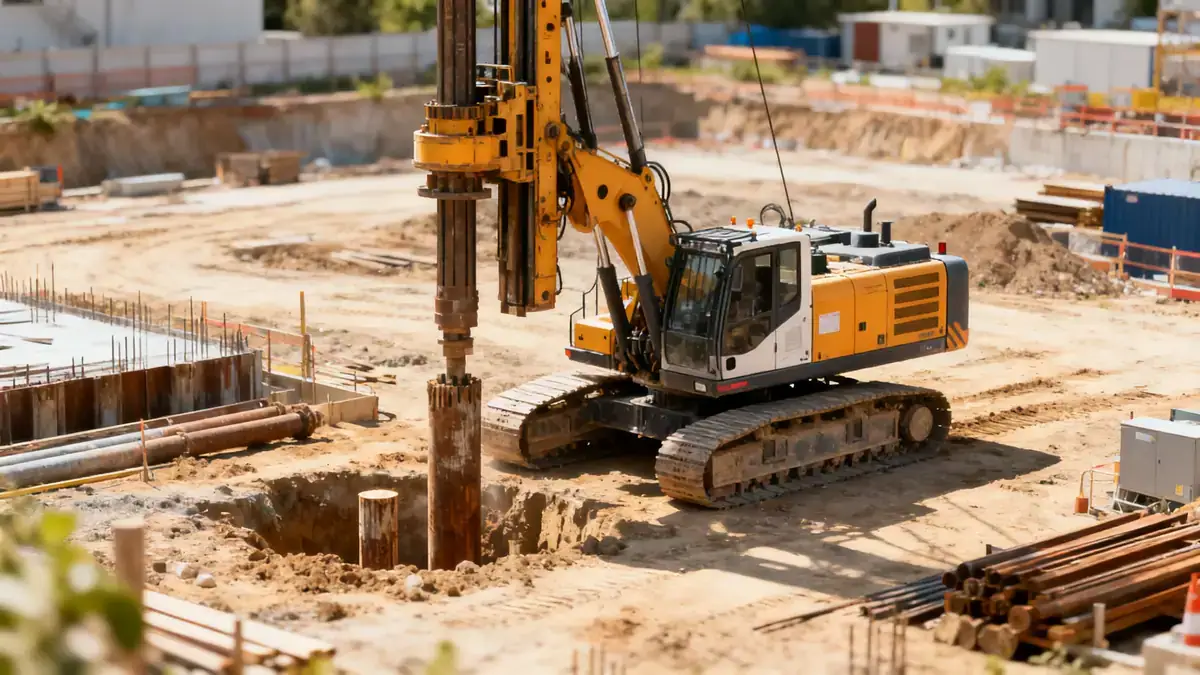
Our geotechnical engineering methodology in League City begins with a thorough review of existing geological maps and previous studies. Field investigation programs typically include spt boring at depths of 10 to 30 meters to characterize soil strata and obtain N60 values. We follow ASTM D1586 for standard penetration tests, with sampling intervals of 1.0 to 1.5 meters. Soil samples are subjected to laboratory testing to determine index properties, strength, and consolidation characteristics. This data informs our analysis of bearing capacity, settlement, and seismic site classification, leading to practical foundation design criteria.
Reference Technical Parameters
| Parameter | Reference Value |
|---|---|
| Predominant soil type | Clay and silty clay (Beaumont Formation) |
| Maximum seismic acceleration (PGA) | 0.15g (ASCE 7-16, Site Class D) |
| Typical groundwater level | 3 to 6 meters below ground surface |
| Bedrock depth | Greater than 30 meters |
| Typical N60 range | 5 to 15 blows per 0.3 m (soft to medium clay) |
Local Considerations — League City
League City's geology is dominated by the Beaumont Formation, consisting of Pleistocene-age clay and silty clay deposits. These expansive soils pose risks of differential movement for lightly loaded structures. Groundwater levels are typically shallow (3–6 m), requiring dewatering considerations for deep excavations. Seismic hazard is moderate, with a PGA of 0.15g per ASCE 7-16. Older neighborhoods near Clear Lake may have softer, compressible clays, while newer developments further west encounter stiffer strata. Typical projects include residential slab-on-grade and shallow foundations for commercial buildings. Our firm leverages its experience from geotechnical engineering en Houston to address League City's specific challenges.
Request a Quote
Our team reviews your project and issues an initial report at no cost.
Or write us directly at [email protected]
Services in League City
Applicable Standards
- ASTM D1586
- ASCE 7-16
- International Building Code (IBC) 2021
- City of League City Design Criteria
Frequently Asked Questions
What are the typical soil conditions in League City?
League City soils are predominantly clay and silty clay from the Beaumont Formation, with moderate to high plasticity. These expansive clays can swell and shrink with moisture changes, requiring special foundation design. Groundwater is generally shallow, around 3 to 6 meters deep.
Is seismic design required for structures in League City?
Yes, per the International Building Code and ASCE 7-16, League City falls under Seismic Design Category C with a PGA of 0.15g. Geotechnical reports must provide site classification and seismic coefficients for foundation design.
Are geotechnical studies mandatory for building permits in League City?
While not always required for small residential projects, most commercial developments and multi-story buildings require a geotechnical investigation. The city's building department often requests a report to verify foundation design meets code requirements.