Methodology
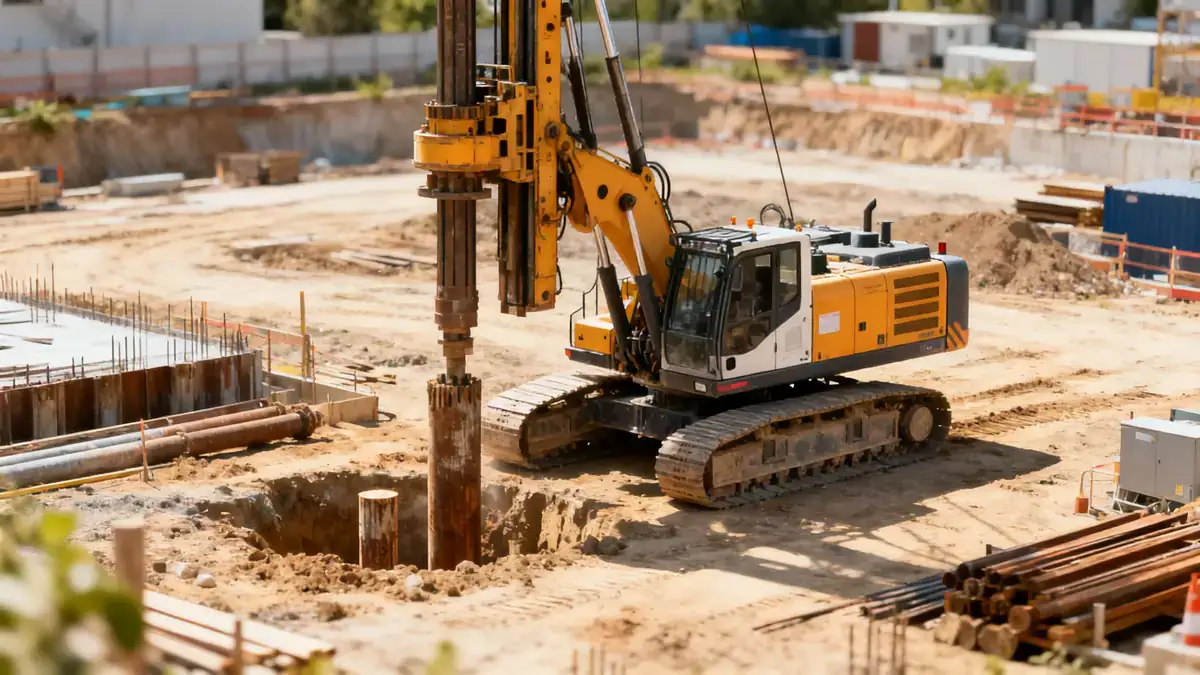
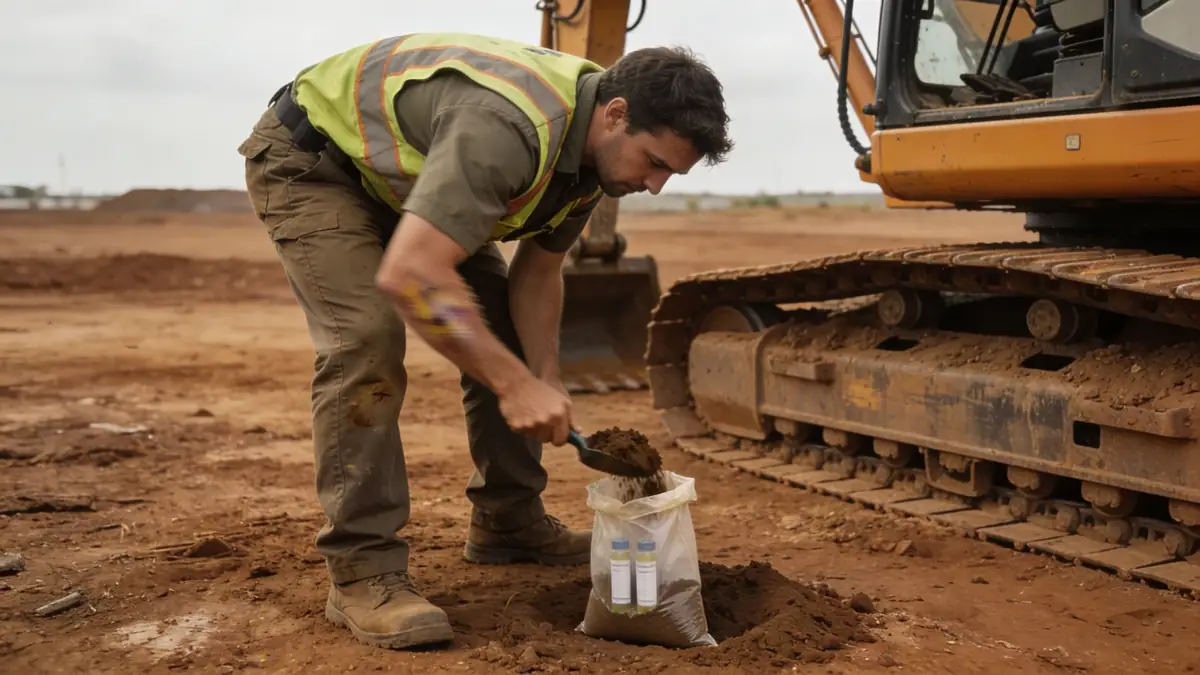
Our methodology in Lexington follows a phased investigation framework aligned with ASTM D1586 for standard penetration testing. We integrate continuous field supervision with laboratory testing to characterize soil stratigraphy, groundwater conditions, and engineering properties. For every project, we conduct a site-specific subsurface exploration program, including spt boring at intervals determined by the scale and complexity of the structure. Soil samples are retrieved for classification, strength, and consolidation testing in our accredited laboratory. This systematic approach allows us to develop reliable geotechnical models that inform foundation recommendations, earthwork specifications, and seismic design parameters in accordance with local building codes.
Reference Technical Parameters
| Parameter | Reference Value |
|---|---|
| Predominant Soil Type | Residual silty clays (ML/CL) over limestone bedrock |
| Maximum Seismic Acceleration (PGA) | 0.10–0.15 g (ASCE 7-16, Site Class C/D) |
| Typical Groundwater Level | 5–15 ft below grade, seasonally variable |
| Bedrock Depth | 10–50 ft (limestone, with potential solution features) |
| Typical N60 Range (SPT) | 4–20 blows/ft in soil, >50 on bedrock |
Local Considerations — Lexington
Lexington's geology is dominated by the Lexington Limestone formation, a fossiliferous limestone interbedded with shale and clay. This karst-prone bedrock creates variable solution features—sinkholes, cavities, and pinnacles—that require careful subsurface investigation. The overlying residual soils are typically stiff to hard clays with moderate plasticity, but their thickness can vary abruptly. Additionally, the region falls within a moderate seismic zone (ASCE 7 Site Class C/D), with a PGA of 0.10–0.15 g. Our firm's experience in similar carbonate terrains informs our approach to risk mitigation, including detailed sinkhole assessments and targeted soil mechanics laboratory testing to evaluate collapse potential. For projects requiring regional context, our team coordinates with our geotechnical engineering en Atlanta office to leverage broader expertise in the Eastern U.S.
Request a Quote
Our team reviews your project and issues an initial report at no cost.
Or write us directly at [email protected]
Services in Lexington
Applicable Standards
- ASTM D1586 (Standard Penetration Test)
- ASCE 7-16 (Minimum Design Loads for Buildings)
- Kentucky Building Code (IBC-based)
- ASTM D2487 (Unified Soil Classification System)
- ASTM D1883 (California Bearing Ratio)
Frequently Asked Questions
What are the typical soil conditions in Lexington for foundation design?
Lexington's soils are predominantly residual silty clays derived from limestone weathering. These soils are generally stiff to hard but can be underlain by karstic limestone with variable depth to bedrock. Groundwater is typically shallow, and sinkholes are a recognized hazard, necessitating thorough subsurface exploration for foundation design.
Does Lexington have specific seismic design requirements?
Yes, Lexington is classified under ASCE 7 Seismic Design Category B or C, depending on site soil class. The maximum considered earthquake spectral acceleration (SDS) ranges from 0.2 to 0.4 g. Local building codes adopt the International Building Code with Kentucky amendments, requiring site-specific seismic hazard assessments for certain structures.
Are geotechnical studies mandatory for construction in Lexington?
While not universally required for all projects, most commercial and multi-family residential developments in Lexington mandate a geotechnical investigation as part of the building permit process. Local codes often reference IBC Chapter 18, which requires subsurface exploration for structures with shallow foundations or significant earthwork.