Methodology
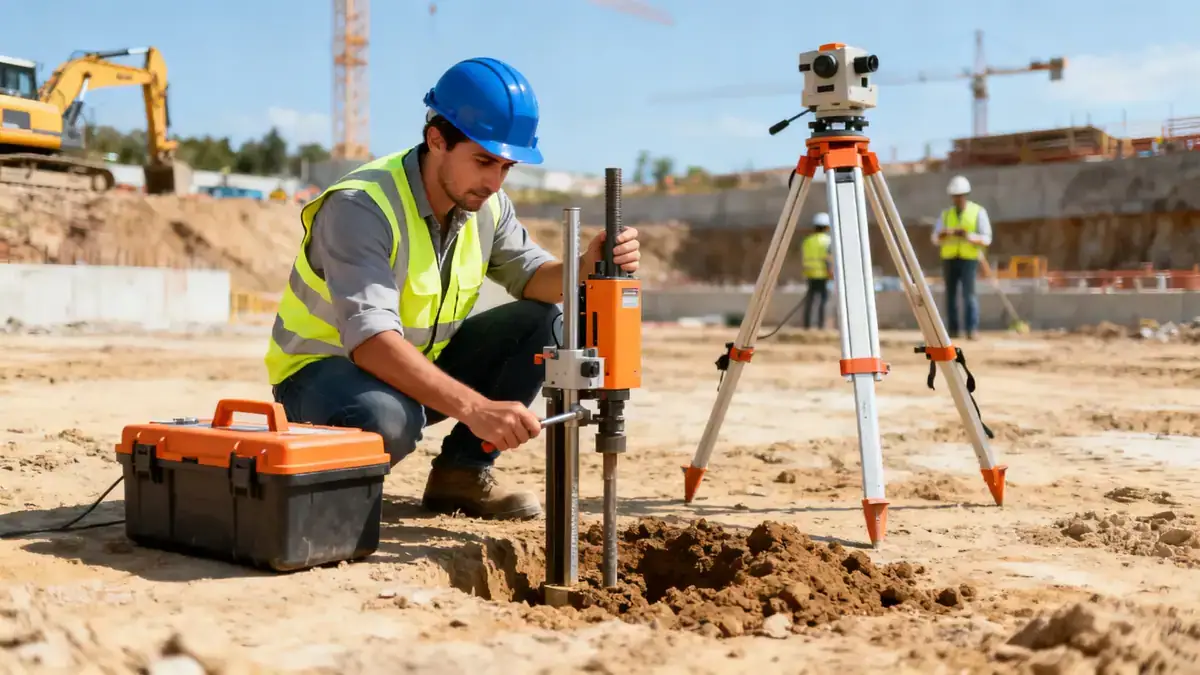
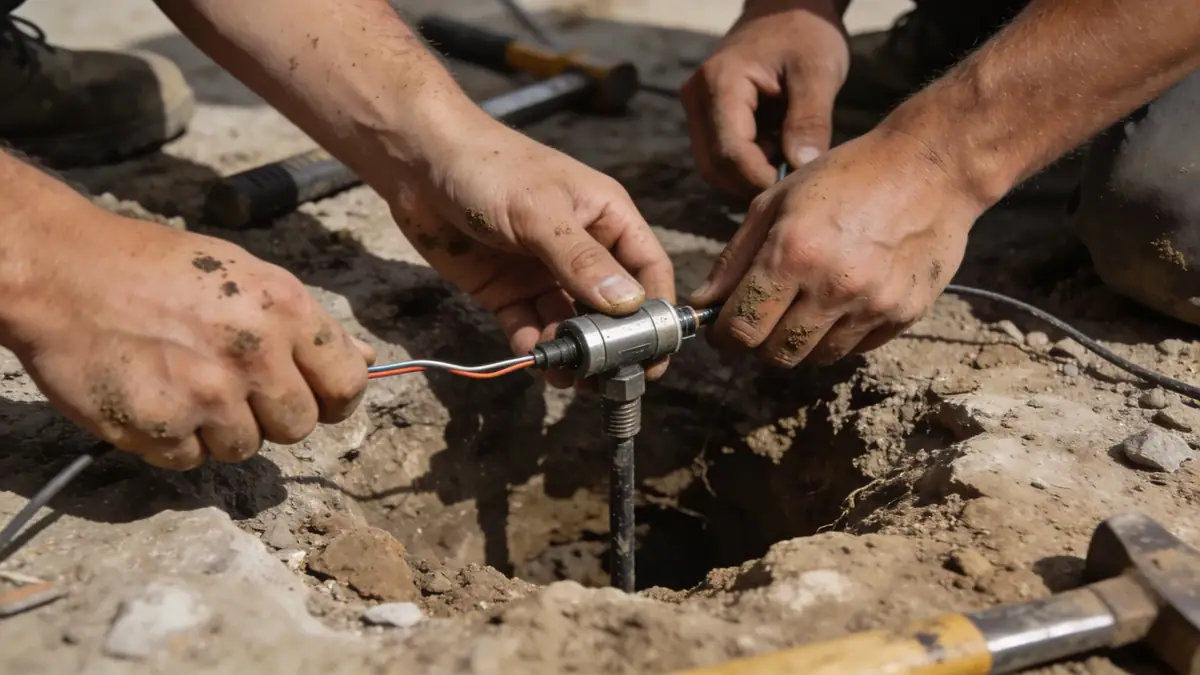
Our methodology for geotechnical engineering in Little Rock begins with a thorough review of existing geologic maps and records. We then conduct a subsurface exploration program tailored to the site, typically including spt boring to characterize soil strata and obtain samples for laboratory testing. Field investigations are supplemented by in-situ tests such as pocket penetrometer and vane shear. Data analysis follows ASTM D1586 and other relevant standards to derive design parameters for foundations, retaining walls, and slopes.
Reference Technical Parameters
| Parameter | Reference Value |
|---|---|
| Predominant soil type | Alluvial silty clays and sands over weathered shale and sandstone |
| Maximum seismic acceleration (PGA) | 0.1g to 0.2g (ASCE 7-22, Site Class C/D) |
| Typical groundwater level | 3 to 10 ft below ground surface, depending on season and location |
| Bedrock depth | 10 to 50 ft (Arkansas Novaculite or Jackfork Sandstone) |
| Typical N60 range | 4 to 30 blows/ft in soils; >50 in weathered rock |
Local Considerations — Little Rock
Little Rock's geology is dominated by Quaternary alluvium along the Arkansas River and Cretaceous to Mississippian sedimentary rocks in the uplands. The alluvial soils are prone to settlement and liquefaction under seismic loading, while the weathered shale and sandstone can cause slope stability issues in cut areas. Our team has extensive experience addressing these conditions, including deep foundations to bypass soft soils and soil improvement techniques. For complex projects, we coordinate with our slope stability specialists. Additionally, we maintain close ties with our geotechnical engineering en Houston office to leverage broader regional expertise.
Request a Quote
Our team reviews your project and issues an initial report at no cost.
Or write us directly at [email protected]
Services in Little Rock
Applicable Standards
- ASTM D1586 (Standard Test Method for Standard Penetration Test)
- ASCE 7-22 (Minimum Design Loads and Associated Criteria for Buildings and Other Structures)
- IBC 2021 (International Building Code)
Frequently Asked Questions
What are the typical soil conditions in Little Rock?
Soils vary from soft alluvial clays and sands near the river to stiff clays and weathered rock on higher ground. Groundwater is typically shallow in low-lying areas, requiring careful dewatering and foundation design.
Is seismic design required in Little Rock?
Yes, Little Rock is in a moderate seismic zone (peak ground acceleration 0.1-0.2g per ASCE 7). Site-specific seismic analysis is often needed for critical structures to assess liquefaction and soil amplification.
Are geotechnical studies mandatory for construction in Little Rock?
While not always legally required for small projects, most commercial and institutional buildings require a geotechnical report to meet IBC code compliance. Lenders and insurers also often mandate them for risk assessment.