Methodology
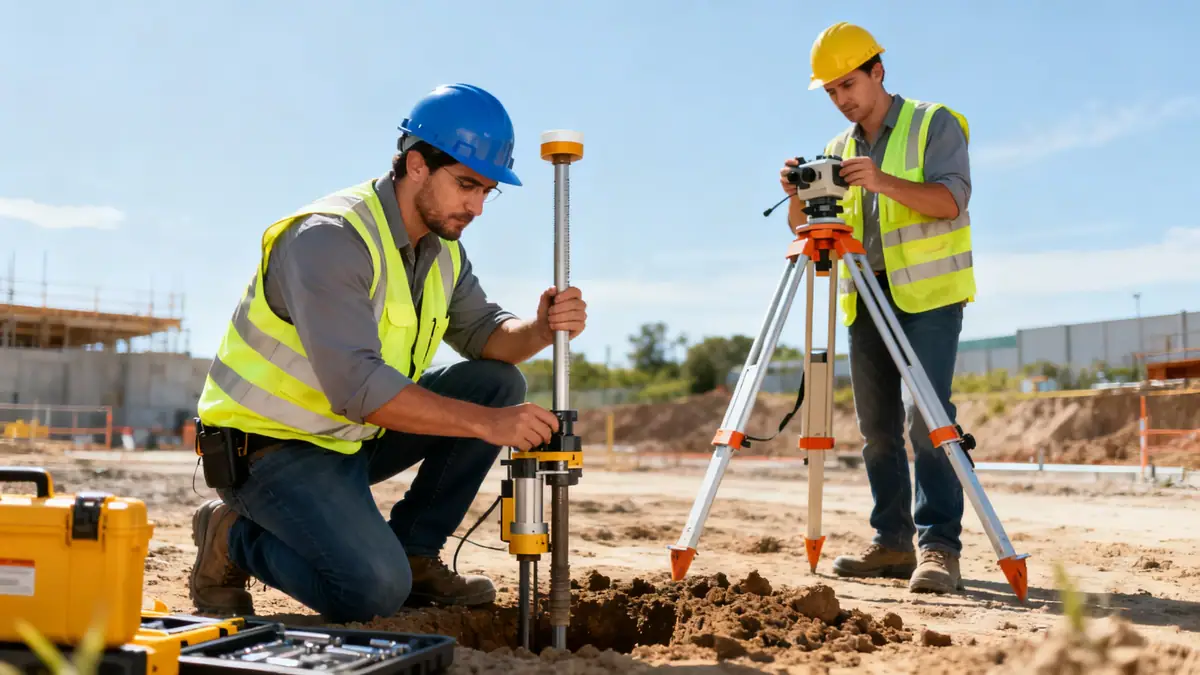
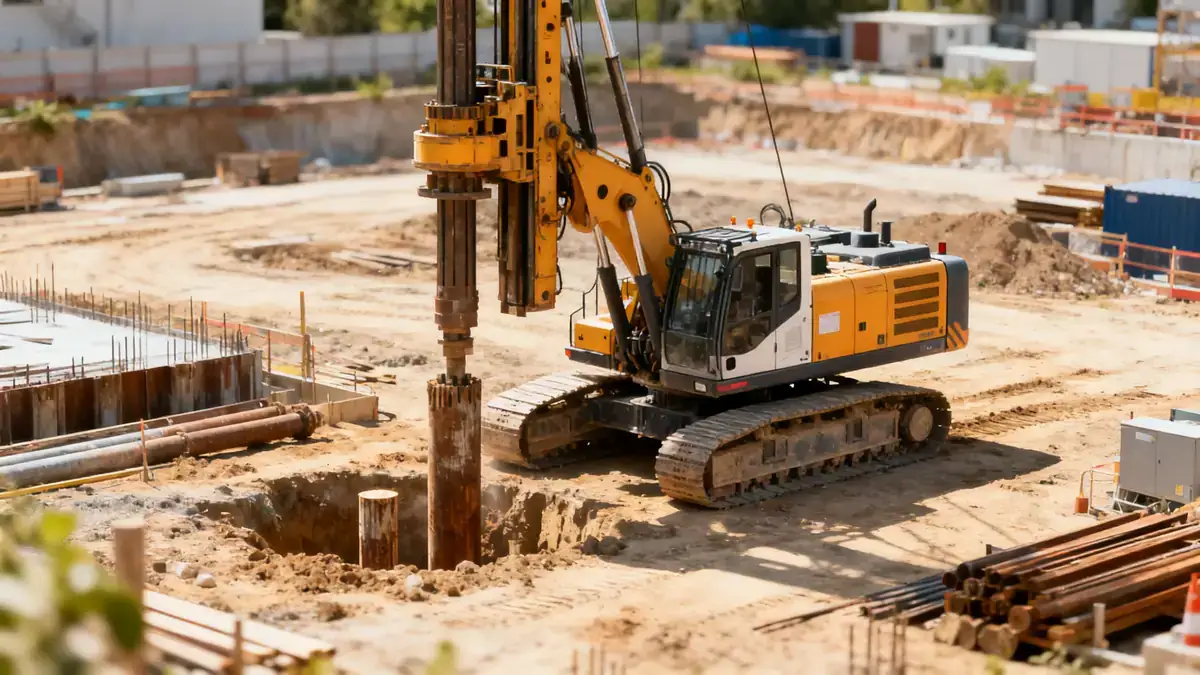
Our approach to geotechnical engineering in Long Beach integrates site-specific field investigations and advanced laboratory testing. We begin with a thorough review of existing geological data and then execute a targeted boring program, often utilizing spt boring to obtain disturbed and undisturbed samples. The collected specimens are analyzed in our soil mechanics laboratory to determine index properties, strength parameters, and consolidation characteristics. This data informs our design recommendations for foundations, earthworks, and seismic mitigation, ensuring compliance with local codes and project requirements.
Reference Technical Parameters
| Parameter | Reference Value |
|---|---|
| Predominant soil type | Alluvial sands, silts, and clays with interbedded gravels |
| Maximum seismic acceleration (PGA) | 0.4g–0.6g (MCE, per ASCE 7-16) |
| Typical groundwater level | 3–15 ft below grade, varies seasonally |
| Bedrock depth | 200–500 ft (Tertiary sedimentary rock) |
| Typical N60 range (sands) | 10–30 blows/ft (medium dense to dense) |
Local Considerations — Long Beach
Long Beach's geotechnical conditions are shaped by the Los Angeles Basin's deep alluvial deposits and the San Pedro Bay coastal environment. Five key factors dominate: (1) variable soil profiles with soft clays and loose sands near the port; (2) shallow groundwater requiring dewatering or waterproofing; (3) high seismicity from the Newport–Inglewood and San Andreas faults, with PGA up to 0.6g; (4) contrasting conditions between downtown (firm alluvium) and coastal zones (liquefaction-prone fills); (5) typical projects include high-rise towers, port infrastructure, and residential developments. For broader regional context, see our geotechnical engineering services from Los Angeles page.
Request a Quote
Our team reviews your project and issues an initial report at no cost.
Or write us directly at [email protected]
Services in Long Beach
Applicable Standards
- ASTM D1586 (Standard Penetration Test)
- ASCE 7-16 (Minimum Design Loads and Associated Criteria for Buildings and Other Structures)
- California Building Code (CBC 2022)
- City of Long Beach Municipal Code (Title 18 – Buildings and Construction)
Frequently Asked Questions
What are the typical soil types encountered in Long Beach?
Long Beach soils are predominantly alluvial sands, silts, and clays deposited by the Los Angeles River and San Gabriel River. Near the port, soft marine clays and loose sands are common, while downtown areas feature firmer alluvial deposits. Gravel layers are also present at depth.
How does seismic hazard affect geotechnical engineering in Long Beach?
Long Beach lies in a high seismic zone (Seismic Design Category D or E per ASCE 7). The Newport–Inglewood fault runs through the city, and the San Andreas fault poses a major threat. Geotechnical studies must evaluate liquefaction, lateral spreading, and site amplification, often requiring site-specific response analyses.
Are geotechnical studies mandatory for construction in Long Beach?
Yes, the California Building Code and City of Long Beach ordinances require a geotechnical investigation for most new construction and significant alterations. The report must address soil bearing capacity, settlement, groundwater, and seismic hazards to obtain a building permit.