Methodology
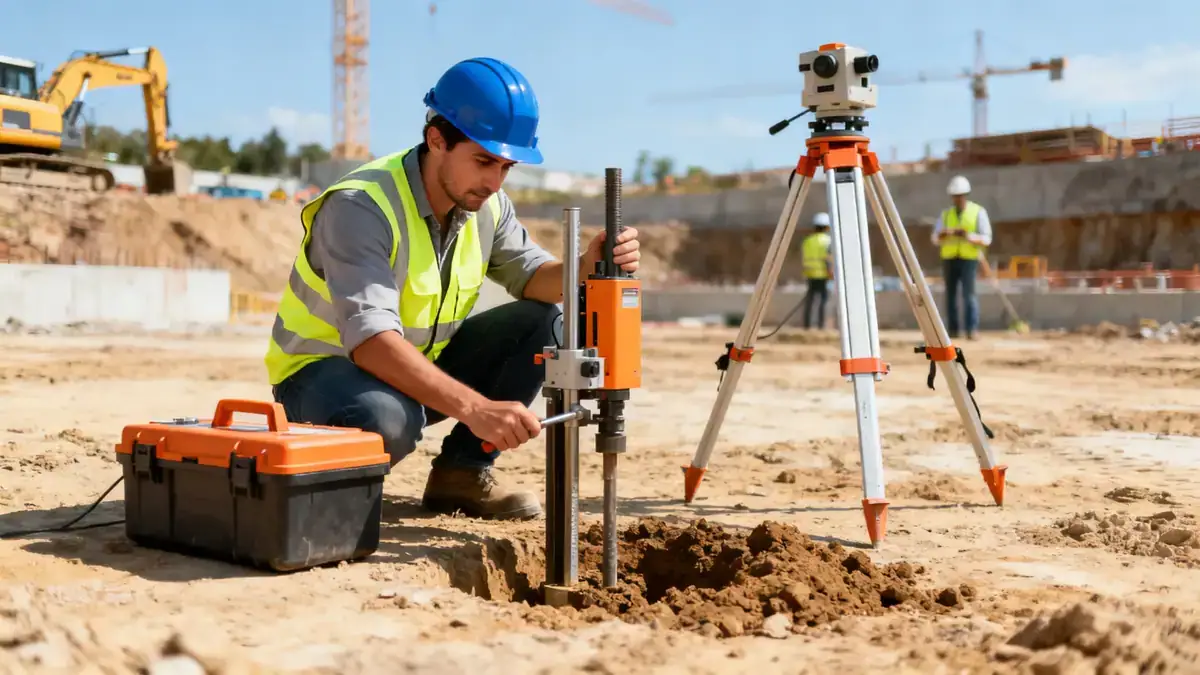
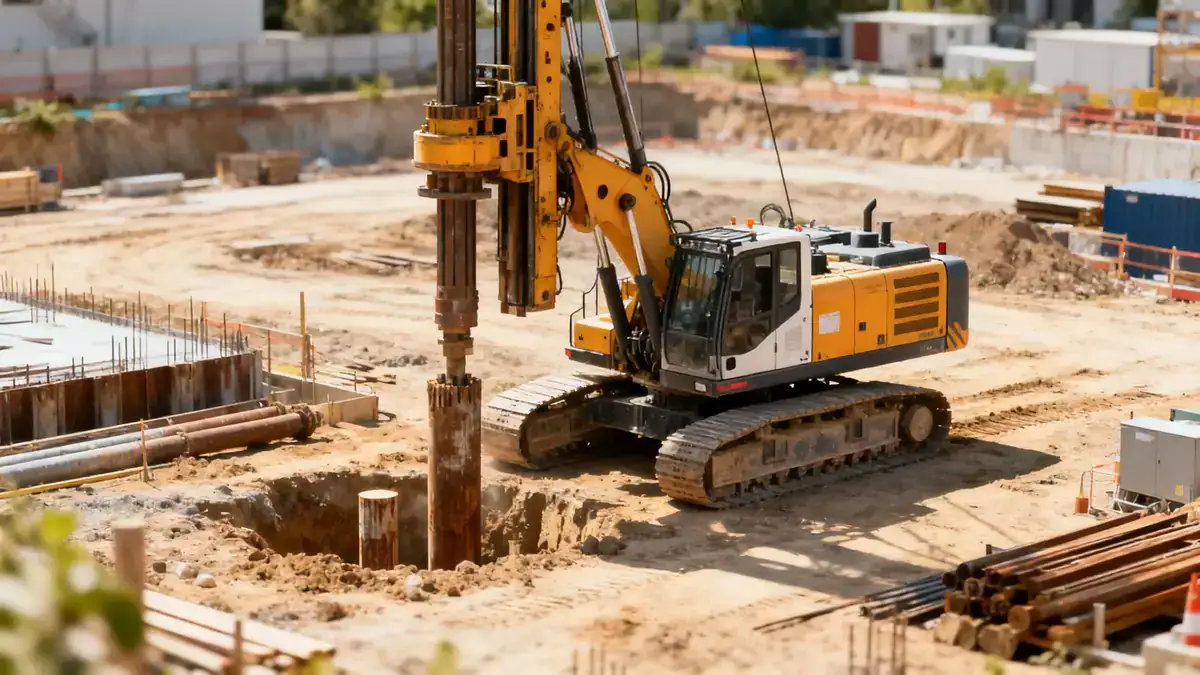
Our geotechnical engineering methodology in Louisville follows a systematic approach. We begin with a thorough review of existing geologic maps and historical boring logs to identify potential hazards. Field investigations include spt boring performed in accordance with ASTM D1586 to obtain soil samples and measure Standard Penetration Resistance (N-values). We also conduct soil mechanics laboratory testing on recovered samples to classify soils and determine engineering properties such as shear strength and consolidation characteristics. Our team integrates these data with site-specific seismic hazard assessments, referencing ASCE 7-16 for ground motion parameters. For retaining wall design and slope stability evaluations, we use limit equilibrium and finite element methods. This rigorous methodology ensures robust foundation solutions for projects across Louisville.
Reference Technical Parameters
| Parameter | Reference Value |
|---|---|
| Predominant soil type | Alluvial silts, sands, and gravels over clay/shale bedrock |
| Maximum seismic acceleration (PGA) | 0.15–0.25 g (ASCE 7-16, Site Class D) |
| Typical groundwater level | 3–10 ft below ground surface |
| Bedrock depth | 20–100 ft (shale/limestone) |
| Typical N60 range | 5–30 blows/ft (SPT) |
Local Considerations — Louisville
Louisville's geology is dominated by Ohio River alluvium, consisting of interbedded silts, sands, and gravels, underlain by Devonian shale and limestone bedrock. Groundwater levels are typically shallow (3–10 ft), requiring dewatering considerations for excavations. Seismic hazard is moderate, with peak ground accelerations of 0.15–0.25 g, influenced by the New Madrid Seismic Zone. Older neighborhoods like the Highlands have variable fill and loose soils, while new developments in the East End often encounter competent shale at depth. Our team addresses these contrasts through targeted investigations. For regional context, our geotechnical engineering en Chicago team provides similar expertise in a different geologic setting. We also integrate soil mechanics laboratory testing to refine parameters specific to each site.
Request a Quote
Our team reviews your project and issues an initial report at no cost.
Or write us directly at [email protected]
Services in Louisville
Applicable Standards
- ASTM D1586 (Standard Test Method for Standard Penetration Test)
- ASCE 7-16 (Minimum Design Loads and Associated Criteria for Buildings)
- IBC 2021 (International Building Code)
- Kentucky Building Code (KBC) seismic provisions
- ASTM D2487 (Unified Soil Classification System)
Frequently Asked Questions
What are the typical soil conditions in Louisville?
Louisville primarily features alluvial soils from the Ohio River, including silts, sands, and gravels, overlying shale and limestone bedrock. Groundwater is often shallow, and soil strength varies widely, requiring site-specific geotechnical investigations for any development.
Does Louisville require seismic design for buildings?
Yes. Louisville is in a moderate seismic zone due to the New Madrid Seismic Zone. The Kentucky Building Code adopts ASCE 7-16 seismic provisions, and most structures require site-specific ground motion analysis. Our firm evaluates seismic hazards per code requirements.
Are geotechnical studies mandatory for construction in Louisville?
While not always legally required for small residential projects, most commercial and multi-family developments mandate geotechnical investigations as part of the building permit process. Lenders and insurers also often require them to mitigate risk.