
Methodology
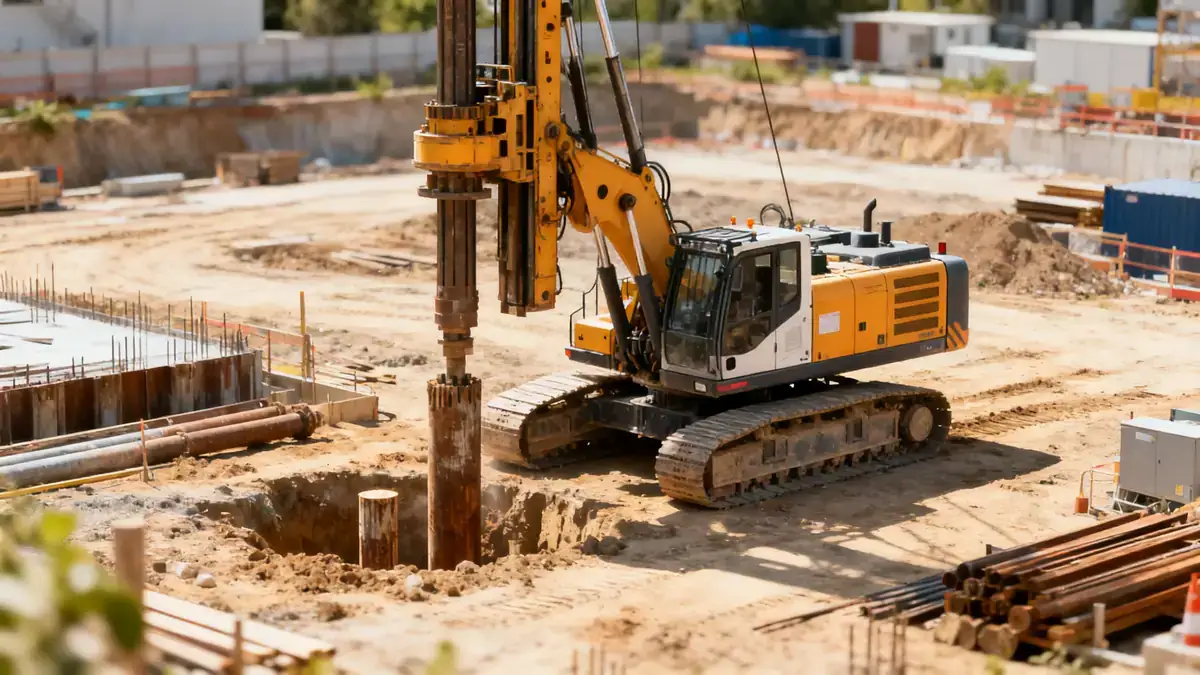
Our methodology for geotechnical engineering in Lubbock begins with a thorough review of existing geological maps and regional seismic data. We then conduct field investigations, including spt boring at strategic locations to assess soil profiles and groundwater conditions. Samples are retrieved for laboratory testing to determine index properties, strength, and compressibility. Analytical modeling evaluates slope stability and bearing capacity, incorporating site-specific parameters. This systematic approach ensures that foundation designs are optimized for Lubbock's soil variability and seismic demands, reducing risk and enhancing long-term performance.
Reference Technical Parameters
| Parameter | Reference Value |
|---|---|
| Predominant soil type | Expansive clay (Mackenzie Park area); Sandy loam (Airport area) |
| Maximum seismic acceleration (PGA) | 0.10g to 0.15g (per ASCE 7-16) |
| Typical groundwater level | 10-20 ft below grade |
| Bedrock depth | Variable; typically 100-200 ft |
| Typical N60 range (SPT) | 5-30 blows/ft (clay); 10-40 blows/ft (sand) |
Local Considerations — Lubbock
Lubbock's geology is dominated by Quaternary alluvial and eolian deposits, with expansive clays posing shrink-swell risks. The Ogallala aquifer influences groundwater levels, typically at 10-20 ft. Seismic hazard is moderate (PGA 0.10-0.15g). Variations exist between northern (clay-rich) and southern (sandy) areas. Typical issues include foundation heave and liquefaction potential. Our team, based in Denver, coordinates local projects. For regional expertise, see our geotechnical engineering in Denver. We also offer soil mechanics laboratory services for comprehensive testing.
Request a Quote
Our team reviews your project and issues an initial report at no cost.
Or write us directly at [email protected]
Services in Lubbock
Applicable Standards
- ASTM D1586 (Standard Penetration Test)
- ASCE 7-16 (Minimum Design Loads for Buildings and Other Structures)
- International Building Code (IBC) 2021
- ASTM D2487 (Classification of Soils for Engineering Purposes)
Frequently Asked Questions
What are the primary soil types encountered in Lubbock?
Lubbock soils are predominantly Quaternary alluvial and eolian deposits, with expansive clays in the northern areas and sandy loams in the south. These variations influence foundation design and require site-specific testing.
How does seismic activity affect geotechnical engineering in Lubbock?
Lubbock lies in a moderate seismic zone with PGA values of 0.10-0.15g. Geotechnical studies must evaluate liquefaction potential and dynamic soil properties to ensure structures comply with ASCE 7 seismic provisions.
Are geotechnical studies mandatory for construction in Lubbock?
While not always legally required for all projects, most commercial and multi-family developments mandate geotechnical investigations per local building codes to mitigate risks from expansive soils and seismic events.