Methodology
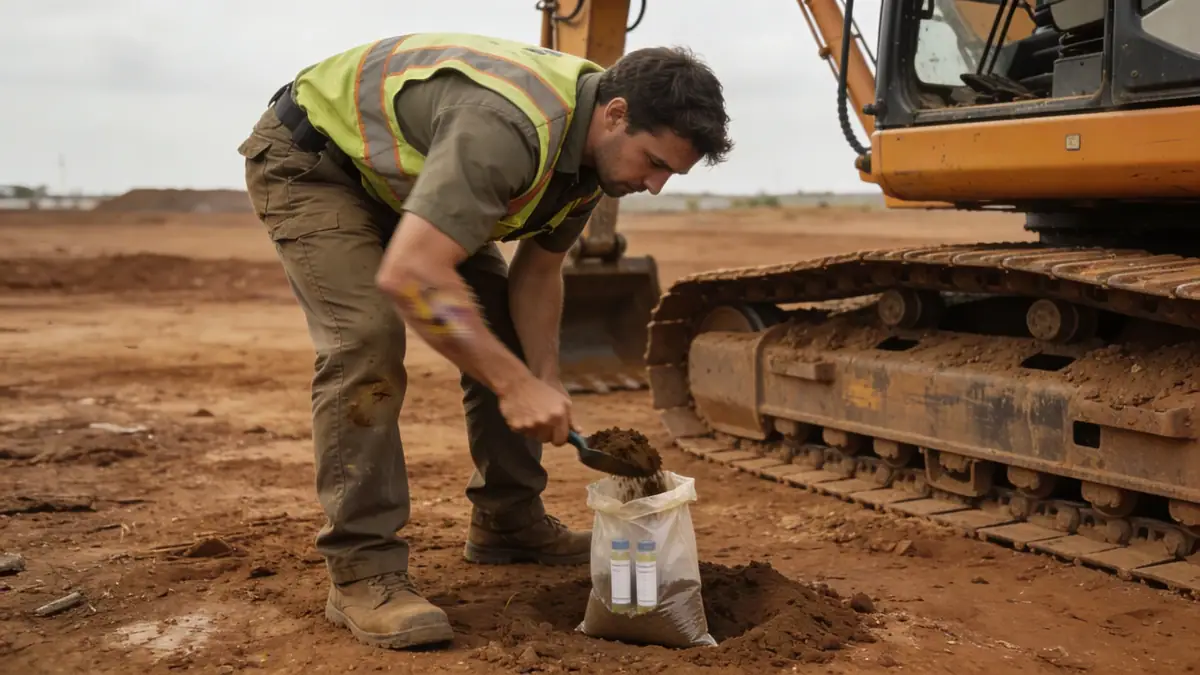
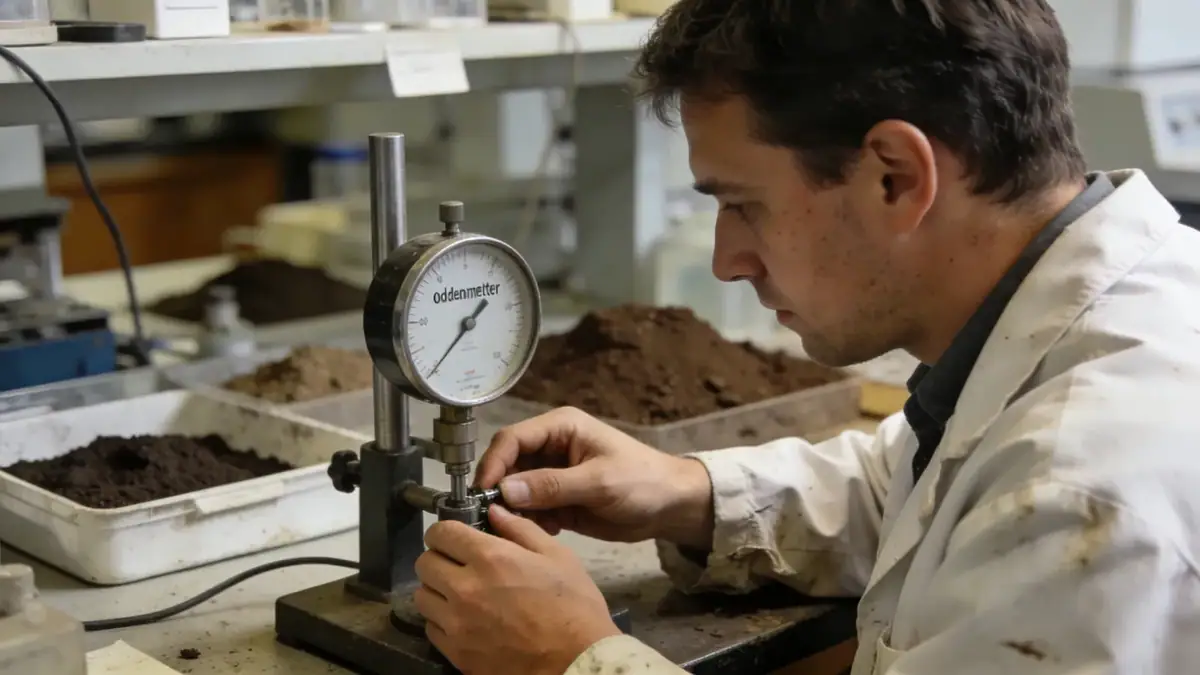
Our approach in Manchester begins with a comprehensive desk study of local geological maps and historical data, followed by field investigations tailored to the site conditions. We employ spt boring to recover soil samples and measure resistance, providing critical data for foundation design. In our soil mechanics laboratory, we conduct index tests, consolidation, and shear strength analyses following ASTM D1586 and other relevant standards. This integrated methodology ensures that every recommendation is grounded in site-specific evidence.
Reference Technical Parameters
| Parameter | Reference Value |
|---|---|
| Predominant soil type | Glacial till and stratified drift |
| Maximum seismic acceleration (PGA) | 0.15g (ASCE 7-16) |
| Typical groundwater level | 2–5 m below ground surface |
| Bedrock depth | 10–30 m (variable) |
| Typical N60 range (SPT) | 10–40 blows/0.3 m |
Local Considerations — Manchester New Hampshire
Manchester's subsurface is dominated by glacial deposits, including dense till and outwash sands/gravels, overlying metamorphic bedrock. Groundwater is often shallow, particularly near the Merrimack River, requiring dewatering considerations. Seismic design follows ASCE 7 with a PGA of 0.15g, necessitating site-specific response spectra. In older urban areas, fill and buried utilities complicate investigations. Our team addresses these conditions with tailored exploration programs. For regional context, see our geotechnical engineering en New York page.
Request a Quote
Our team reviews your project and issues an initial report at no cost.
Or write us directly at [email protected]
Services in Manchester New Hampshire
Applicable Standards
- ASTM D1586 (Standard Penetration Test)
- ASCE 7-16 (Minimum Design Loads and Associated Criteria for Buildings and Other Structures)
- New Hampshire Building Code (based on IBC)
- ASTM D2487 (Classification of Soils for Engineering Purposes)
Frequently Asked Questions
What are the typical soil conditions in Manchester, New Hampshire?
Manchester's soils are primarily glacial till and stratified drift, with varying densities and grain sizes. Bedrock depth ranges from 10 to 30 meters, and groundwater is often encountered at 2–5 meters depth, especially near the Merrimack River.
Is seismic analysis required for geotechnical studies in Manchester?
Yes, per ASCE 7, Manchester falls under Seismic Design Category B with a PGA of 0.15g. Site-specific seismic hazard analysis is recommended for critical structures to determine appropriate spectral accelerations and liquefaction potential.
Are geotechnical investigations mandatory for construction in Manchester?
While not always legally required for all projects, most municipalities and lenders mandate a geotechnical report for new construction or major renovations. Our studies ensure compliance with local building codes and reduce long-term risk.