Methodology
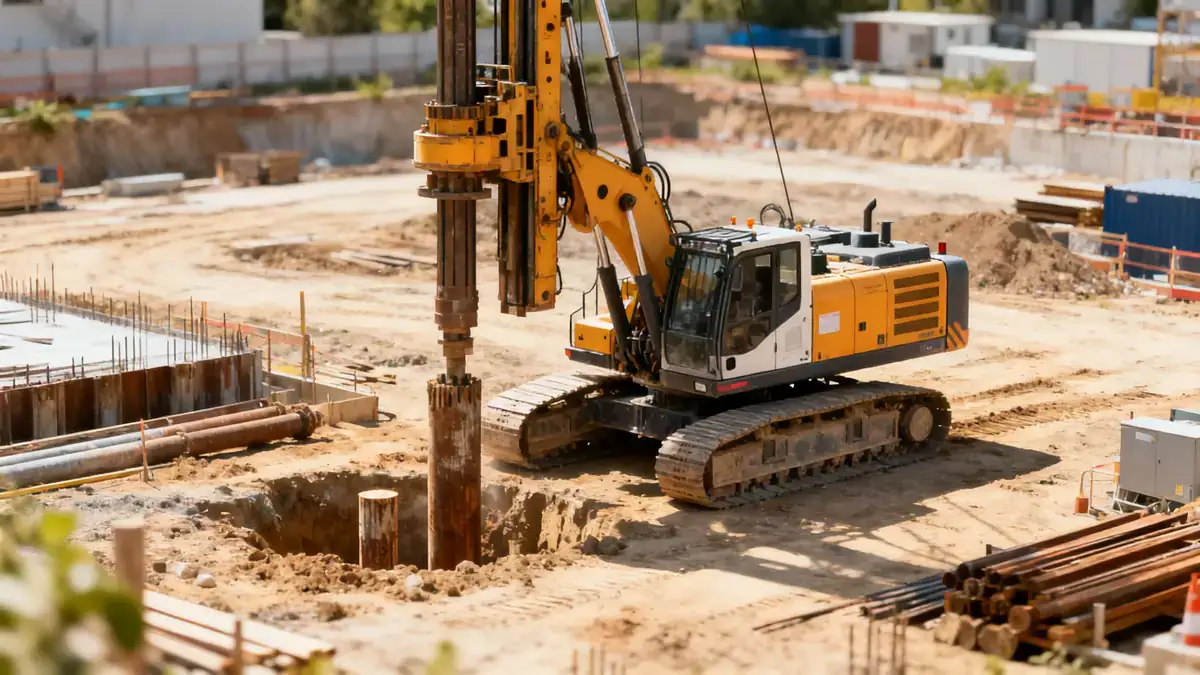
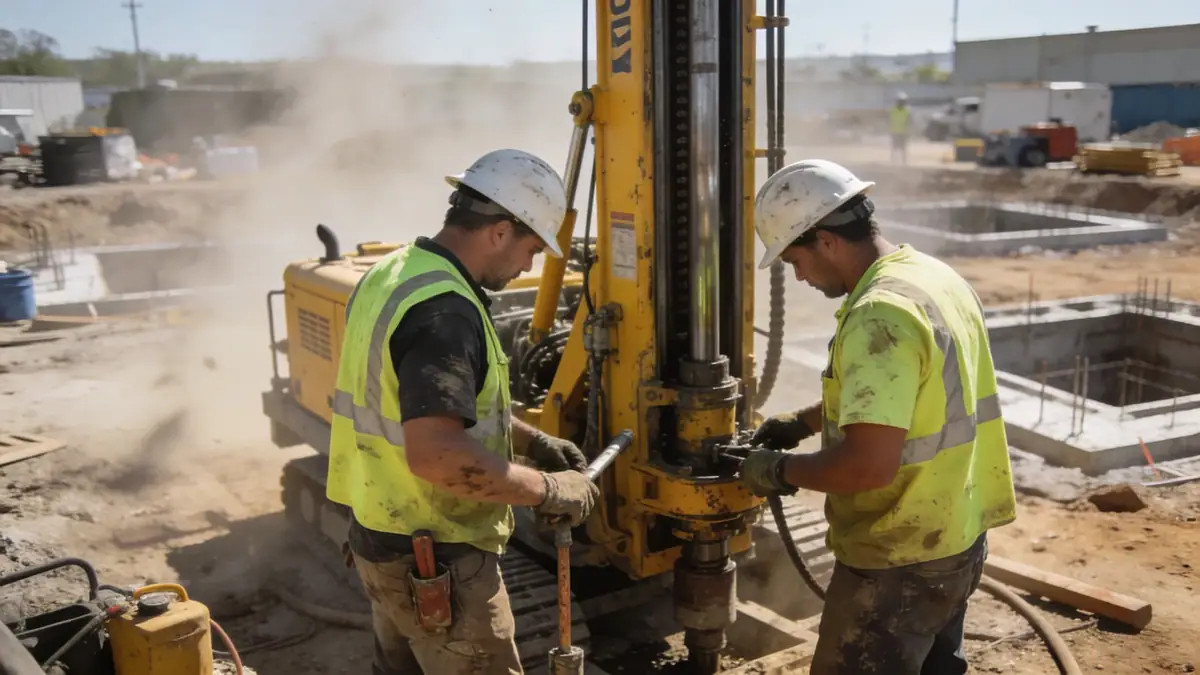
Our methodology for geotechnical engineering in Mckinney Texas integrates a phased approach: preliminary desktop study, field exploration, laboratory testing, and engineering analysis. Field investigations typically include spt boring performed in accordance with ASTM D1586, with borings advanced to depths of 8 to 15 meters for residential projects and up to 30 meters for commercial structures. We employ continuous sampling in clay strata to assess plasticity and swell potential. Laboratory testing follows ASTM standards for index properties, consolidation, and triaxial shear strength. All data are synthesized into a geotechnical report that addresses foundation recommendations, slab design, and lateral earth pressures for retaining structures.
Reference Technical Parameters
| Parameter | Reference Value |
|---|---|
| Predominant soil type | Stiff to very stiff clay (Eagle Ford Shale) |
| Maximum seismic acceleration (PGA) | 0.07g to 0.10g (ASCE 7-16, Site Class C/D) |
| Typical groundwater level | 3 to 8 meters below ground surface |
| Bedrock depth | Variable; shale encountered at 5-15 meters |
| Typical N60 range | 20 to 50 blows per foot in competent clay/shale |
Local Considerations — Mckinney Texas
Mckinney's subsurface is characterized by expansive clays that require careful evaluation for residential slab-on-grade foundations. The city lies in Seismic Design Category B per ASCE 7, with low but nonzero seismic hazard. Local building codes mandate geotechnical investigations for new construction, particularly in areas with high plasticity index (>30). Our team coordinates with the City of Mckinney Planning Department and references the North Texas Council of Governments (NTCOG) guidelines. For complex projects, we often collaborate with our soil mechanics laboratory to conduct specialized swell-consolidation tests. Additionally, our geotechnical engineering in Houston office provides regional support for larger multidisciplinary developments.
Request a Quote
Our team reviews your project and issues an initial report at no cost.
Or write us directly at [email protected]
Services in Mckinney Texas
Applicable Standards
- ASTM D1586 (Standard Test Method for Standard Penetration Test)
- ASCE 7-16 (Minimum Design Loads for Buildings and Other Structures)
- Texas Department of Insurance (TDI) Residential Foundation Guidelines
- City of Mckinney Standard Specifications for Public Works Construction
- IBC 2021 (International Building Code) adopted by Texas
Frequently Asked Questions
What are the typical soil conditions for geotechnical engineering in Mckinney Texas?
Mckinney soils are predominantly stiff to very stiff clays derived from Eagle Ford Shale and Austin Chalk formations. These clays exhibit moderate to high plasticity and can undergo significant volume changes with moisture variation. Shallow groundwater is common in low-lying areas, requiring careful drainage design. SPT N60 values typically range from 20 to 50 blows per foot in competent strata.
Is a geotechnical study required for residential construction in Mckinney?
Yes, the City of Mckinney and most lending institutions require a geotechnical report for new residential foundations. The report must address soil bearing capacity, expansive soil potential, and slab design recommendations in accordance with TDI guidelines. Local building officials often review these reports to ensure compliance with the International Residential Code (IRC).
How does seismic hazard affect geotechnical engineering in Mckinney Texas?
Mckinney is located in Seismic Design Category B per ASCE 7-16, with a peak ground acceleration (PGA) of 0.07g to 0.10g. While seismic risk is low, geotechnical reports still include site class determination (typically Class C or D) and liquefaction screening for saturated sandy layers. These analyses are essential for commercial structures and critical facilities.