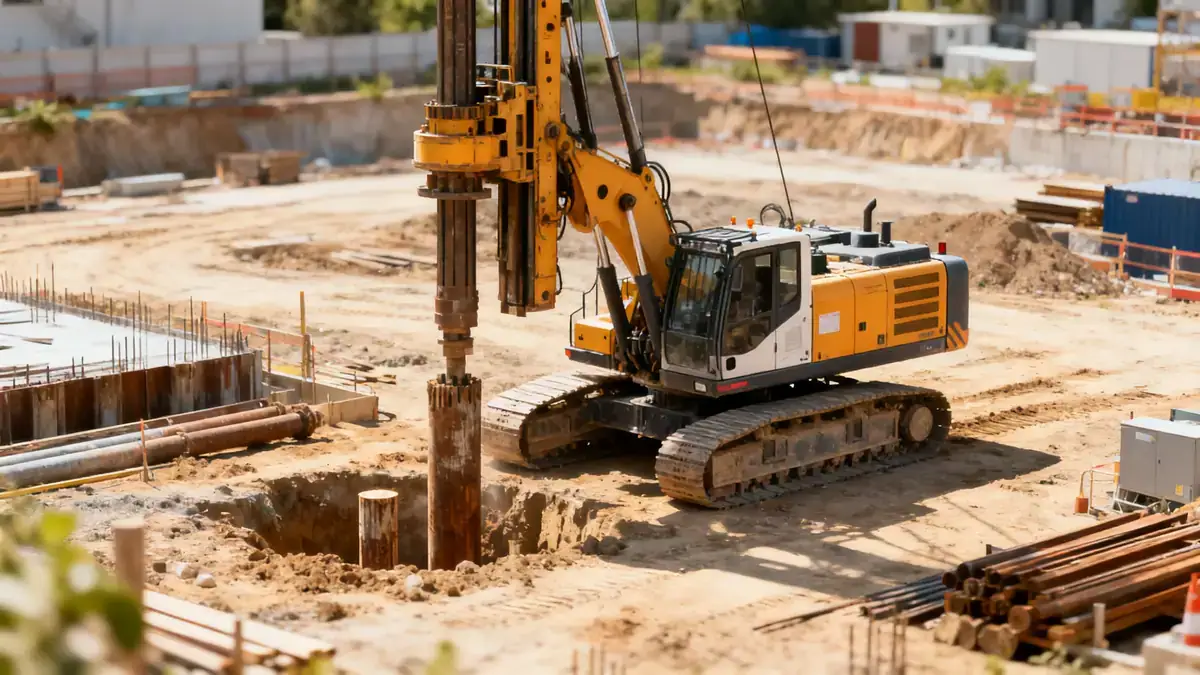
Methodology
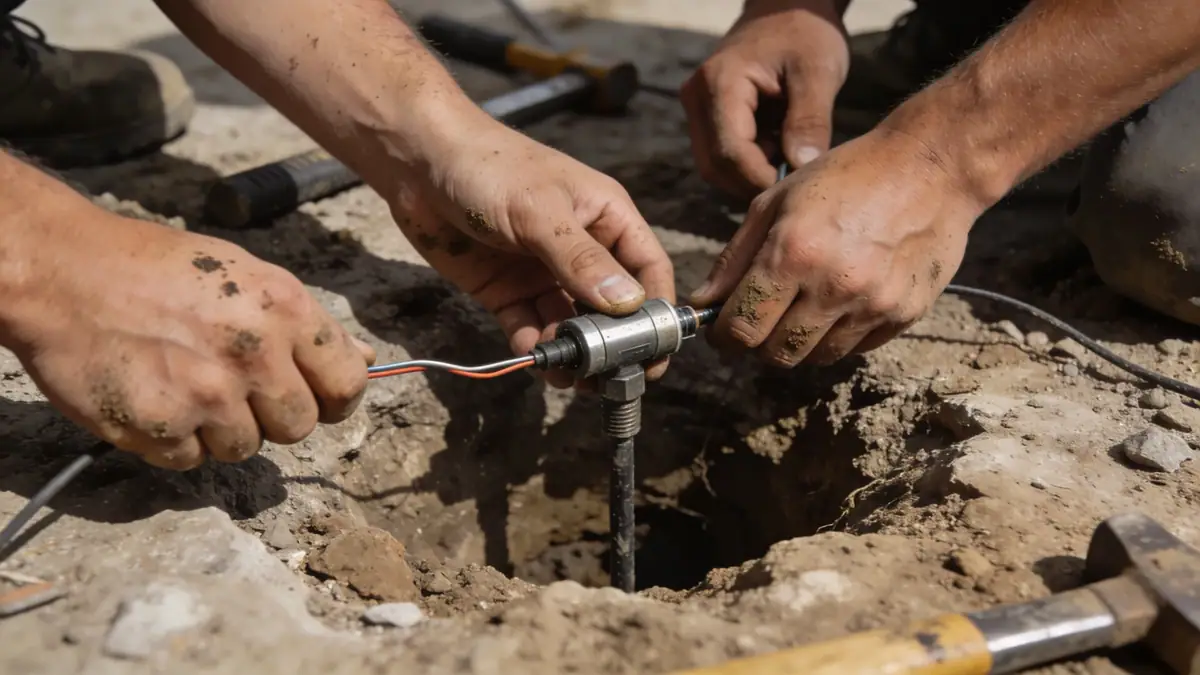
Our approach to geotechnical engineering in Memphis integrates field and laboratory investigations tailored to the region's alluvial soils and seismic hazards. We conduct standard penetration tests (SPT) per ASTM D1586 at 1.0 to 1.5 m intervals to characterize soil strata and measure N60 values, typically ranging from 5 to 30 blows per foot in the upper deposits. For advanced profiling, we perform cone penetration tests (CPT) providing continuous data at 2 cm intervals to depths up to 30 m. Our spt boring program is complemented by undisturbed sampling for laboratory testing of strength and consolidation properties. This methodology supports slope stability analyses and foundation design, adhering to local building codes and national standards.
Reference Technical Parameters
| Parameter | Reference Value |
|---|---|
| Predominant soil type | Alluvial silts and sands with clay lenses (Mississippi River deposits) |
| Maximum seismic acceleration (PGA) | 0.3g–0.5g (per USGS seismic hazard maps, Site Class D) |
| Typical groundwater level | 1.5–4.5 m below ground surface |
| Bedrock depth | 600–900 m (Paleozoic carbonates) |
| Typical N60 range (0–15 m) | 5–30 blows/0.3 m |
Local Considerations — Memphis
Memphis sits on deep alluvial deposits of the Mississippi River, with soils varying from loose sands to stiff clays. The shallow water table (1.5–4.5 m) can complicate excavations and require dewatering. Seismic hazard is significant due to the New Madrid Seismic Zone, demanding site-specific response analyses per ASCE 7. Downtown areas often have fill layers, while eastern neighborhoods feature more competent loess. Typical challenges include liquefaction potential in saturated sands and differential settlement on variable profiles. Our team addresses these through targeted investigations and soil mechanics laboratory testing, ensuring designs align with local conditions. For broader context, our geotechnical engineering en Atlanta office provides regional support.
Request a Quote
Our team reviews your project and issues an initial report at no cost.
Or write us directly at [email protected]
Services in Memphis
Applicable Standards
- ASTM D1586 (Standard Penetration Test)
- ASCE 7 (Minimum Design Loads for Buildings and Other Structures)
- IBC (International Building Code) — Memphis Amendments
- USGS Seismic Hazard Maps (New Madrid Seismic Zone)
Frequently Asked Questions
What are the typical soil conditions in Memphis?
Memphis soils are primarily alluvial deposits from the Mississippi River, consisting of interbedded silts, sands, and clays. The upper 15 m often show loose to medium dense sands and soft to stiff clays, with groundwater at shallow depths. These conditions require careful evaluation for foundation design and liquefaction potential.
Is seismic design required in Memphis?
Yes, Memphis is in a high seismic zone due to the New Madrid Seismic Zone. The International Building Code and local amendments mandate site-specific seismic hazard assessments, including determination of spectral accelerations and soil site class. Geotechnical reports must address liquefaction, lateral spreading, and seismic bearing capacity.
Are geotechnical studies mandatory for construction in Memphis?
While not always legally required for all projects, most building permits in Memphis necessitate a geotechnical investigation for structures with significant loads or seismic risk. Lenders and insurance companies often require such studies. Our firm provides thorough subsurface evaluations to meet regulatory and safety standards.