Methodology
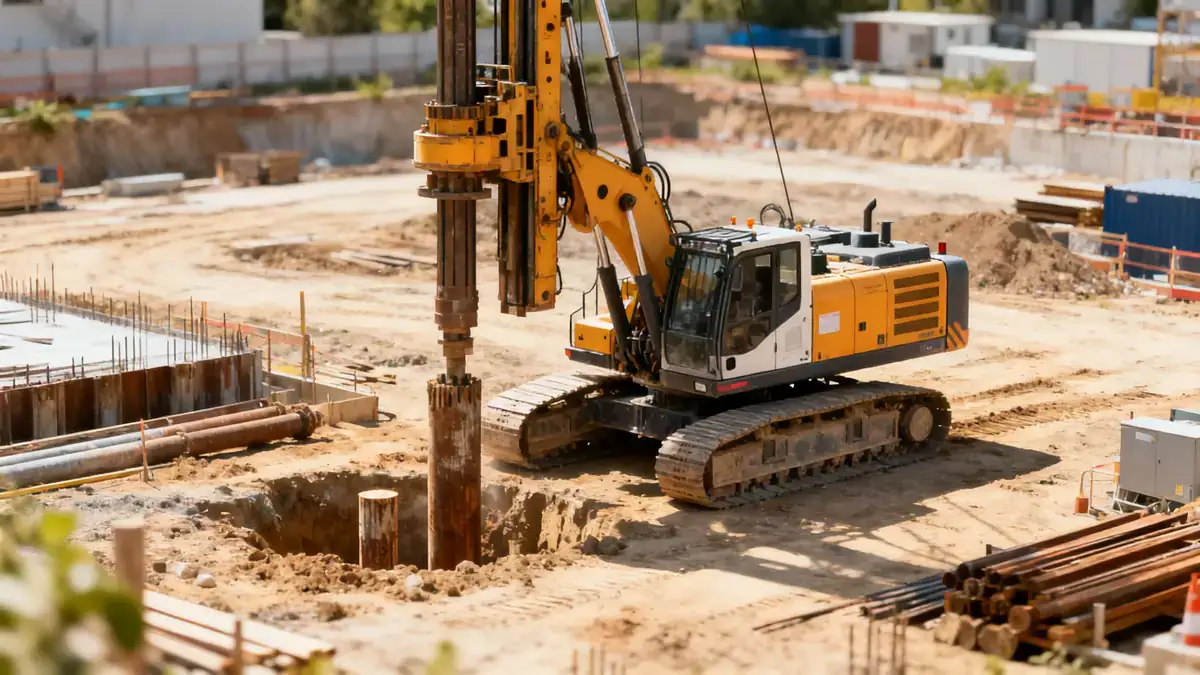
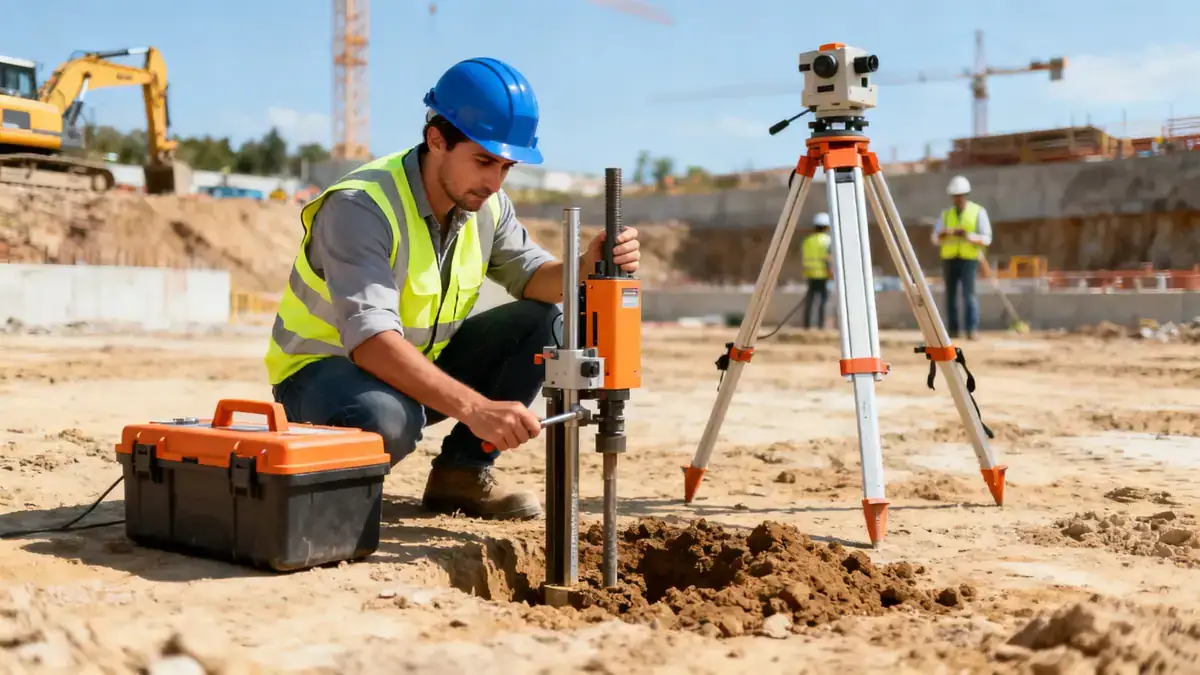
Our approach to geotechnical engineering in Mesa integrates field investigation, laboratory testing, and analytical modeling. We typically begin with a review of existing geologic maps and nearby project data to develop a targeted exploration plan. Fieldwork often includes spt boring performed in accordance with ASTM D1586 to obtain soil samples and measure penetration resistance. These borings are supplemented by test pits where shallow conditions prevail. Laboratory testing on recovered samples follows ASTM standards to classify soils, measure strength, and determine consolidation characteristics. For seismic evaluations, we assess site class per ASCE 7 and perform liquefaction susceptibility analyses where groundwater is shallow. All data are synthesized into actionable recommendations for foundations, earthwork, and slope stability.
Reference Technical Parameters
| Parameter | Reference Value |
|---|---|
| Predominant soil type | Silty sands (SM) and clayey sands (SC) with gravel layers |
| Maximum seismic acceleration (PGA) | 0.20–0.30 g (ASCE 7, Site Class D) |
| Typical groundwater level | 10–30 m below ground surface, locally shallower near canals |
| Bedrock depth | >100 m (deep alluvial basin) |
| Typical N60 range | 10–40 blows/ft (fine-grained to dense granular soils) |
Local Considerations — Mesa
Mesa's subsurface is dominated by alluvial fan deposits from the Salt River and local mountain fronts. Soils consist of interbedded silty sands, clayey sands, and gravels with variable cementation. The water table is generally deep (10–30 m), but localized perched water can occur near irrigation channels. Seismic hazard is moderate, with PGA values up to 0.30 g for Site Class D. Older neighborhoods near downtown may have undocumented fill or collapsible soils, requiring careful investigation. In contrast, newer developments in the southeast often encounter dense sands suitable for shallow foundations. Common challenges include expansive clays in certain strata and the need for deep foundations where loose sands are present. Our team has extensive experience addressing these conditions across Mesa's diverse districts. For regional coordination, we work closely with our geotechnical engineering team in Phoenix.
Request a Quote
Our team reviews your project and issues an initial report at no cost.
Or write us directly at [email protected]
Services in Mesa
Applicable Standards
- ASTM D1586 (Standard Test Method for SPT)
- ASCE 7 (Minimum Design Loads for Buildings)
- International Building Code (IBC) 2021
- City of Mesa Engineering Design Standards
Frequently Asked Questions
What are the typical soil conditions in Mesa?
Mesa's soils are primarily alluvial sands and silts with intermittent gravel layers. The predominant soil types are silty sands (SM) and clayey sands (SC). Groundwater is generally deep, reducing liquefaction risk, but localized conditions vary by neighborhood.
Is a geotechnical study required for residential construction in Mesa?
Yes, the City of Mesa typically requires a geotechnical report for new residential subdivisions and many commercial permits. The study must address soil bearing capacity, expansive potential, and seismic site class per IBC requirements.
How does seismic hazard affect foundation design in Mesa?
Mesa lies in a moderate seismic zone with PGA values up to 0.30 g. Site-specific seismic analysis per ASCE 7 is needed to determine site class and design accelerations. Liquefaction is generally not a concern due to deep groundwater, but loose sands may require mitigation.