Methodology
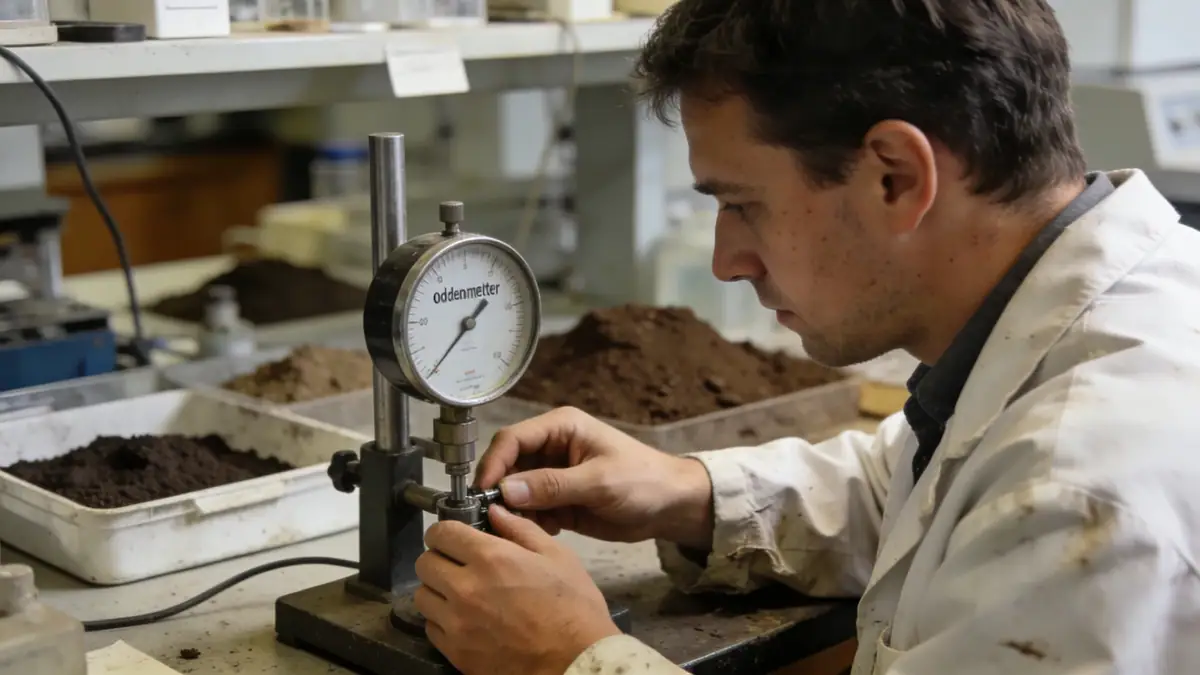
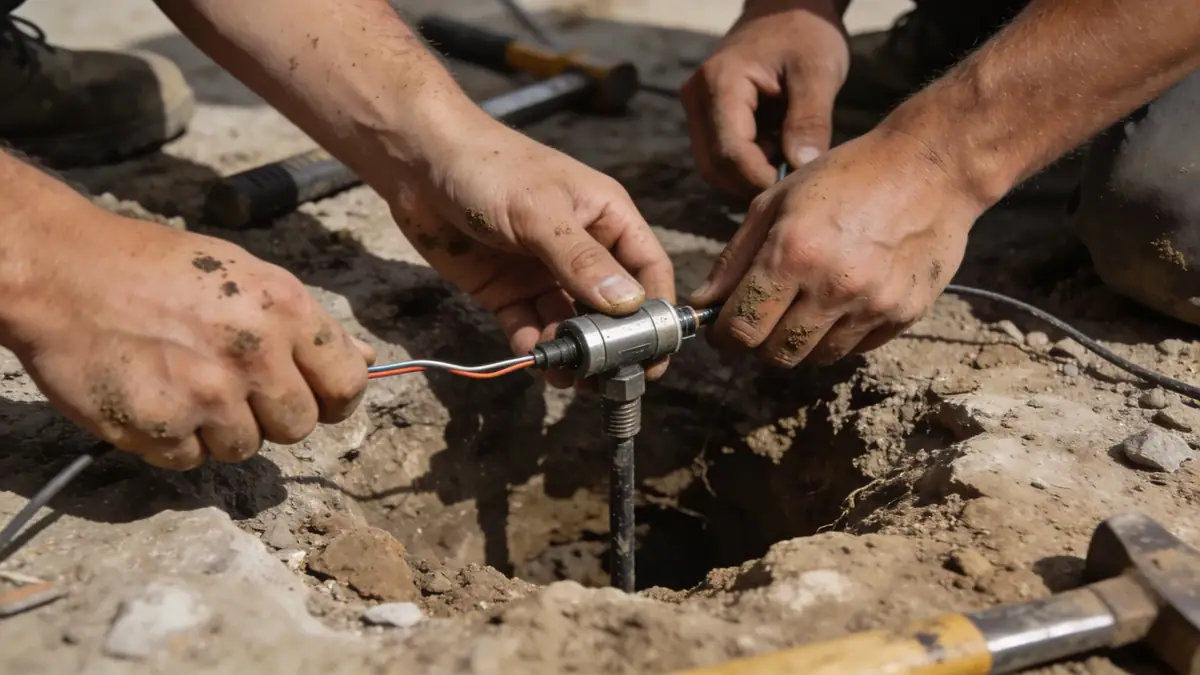
Our methodology for geotechnical engineering in Milwaukee integrates field and laboratory investigations tailored to the region's glacial geology. Standard penetration testing (SPT) per ASTM D1586 is conducted at intervals of 1.0 to 1.5 meters to depths of 8 to 15 meters for typical residential projects, with deeper borings of up to 30 meters for industrial structures. We also employ cone penetration testing (CPT) for continuous soil profiling. Laboratory analyses include grain size distribution (ASTM D6913), Atterberg limits (ASTM D4318), and unconfined compression tests. This systematic approach provides reliable parameters for foundation design, slope stability assessments, and earth retention solutions. For detailed insights into our field methods, refer to our spt boring services.
Reference Technical Parameters
| Parameter | Reference Value |
|---|---|
| Predominant soil type | Glacial till (silty clay to sandy silt) with lacustrine deposits |
| Maximum seismic acceleration (PGA) | 0.05g to 0.10g (ASCE 7 seismic design category B) |
| Typical groundwater level | 3 to 6 meters below ground surface |
| Bedrock depth | 10 to 30 meters (Niagara dolomite) |
| Typical N60 range | 5 to 30 blows per foot (soft to dense till) |
Local Considerations — Milwaukee
Milwaukee's subsurface is dominated by glacial till, a heterogeneous mixture of clay, silt, sand, and gravel, overlying dolomite bedrock. Groundwater is typically encountered at depths of 3 to 6 meters, requiring dewatering considerations for excavations. Seismic hazard is low (PGA up to 0.10g per ASCE 7), but liquefaction potential exists in loose saturated sands near Lake Michigan. The downtown area features urban fill and variable compaction, while suburbs have more uniform glacial deposits. Common challenges include expansive clays in some lacustrine zones and boulders within the till, which can impede drilling. For such complex conditions, our soil mechanics laboratory services provide essential soil characterization. Our team's familiarity with Milwaukee's geology ensures cost-effective and safe foundation solutions.
Request a Quote
Our team reviews your project and issues an initial report at no cost.
Or write us directly at [email protected]
Services in Milwaukee
Applicable Standards
- ASTM D1586 (Standard Penetration Test)
- ASCE 7 (Minimum Design Loads for Buildings)
- International Building Code (IBC) – adopted by Wisconsin
- Wisconsin Administrative Code (Comm 62-69)
Frequently Asked Questions
What are the typical soil conditions in Milwaukee for foundation design?
Milwaukee's soils are primarily glacial till, consisting of silty clay to sandy silt with occasional gravel and boulders. Lacustrine deposits of clay and silt are present near Lake Michigan. Bedrock (Niagara dolomite) lies at depths of 10 to 30 meters. Groundwater levels range from 3 to 6 meters. These conditions require careful evaluation for bearing capacity and settlement.
Does Milwaukee have specific seismic design requirements?
Milwaukee is in seismic design category B per ASCE 7, with a maximum PGA of 0.05g to 0.10g. While seismic risk is low, site-specific response analysis may be needed for critical structures. The Wisconsin building code adopts the IBC, which references ASCE 7 for seismic loads. Our firm evaluates liquefaction potential in loose sandy layers.
Are geotechnical investigations mandatory for construction in Milwaukee?
Yes, most municipalities in Milwaukee County require a geotechnical investigation for new construction and major renovations. The Wisconsin Administrative Code (Comm 62-69) mandates subsurface exploration for foundations. Typical investigations include SPT borings, laboratory testing, and a report with recommendations for bearing capacity, settlement, and groundwater control.