Methodology
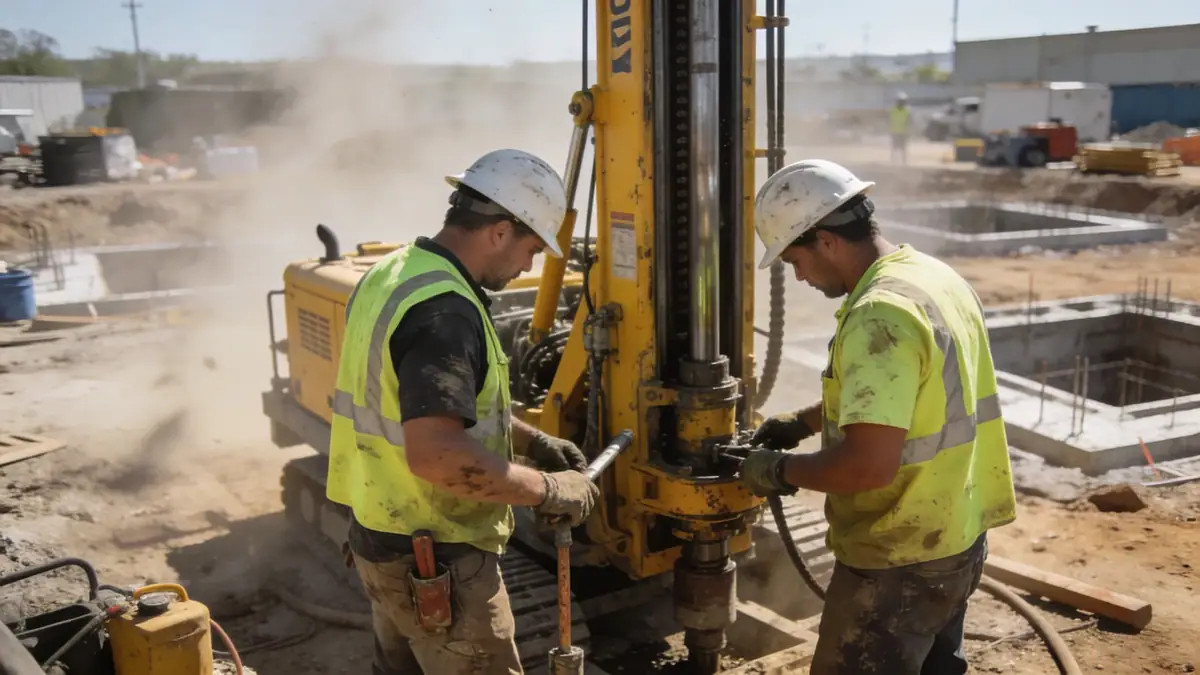
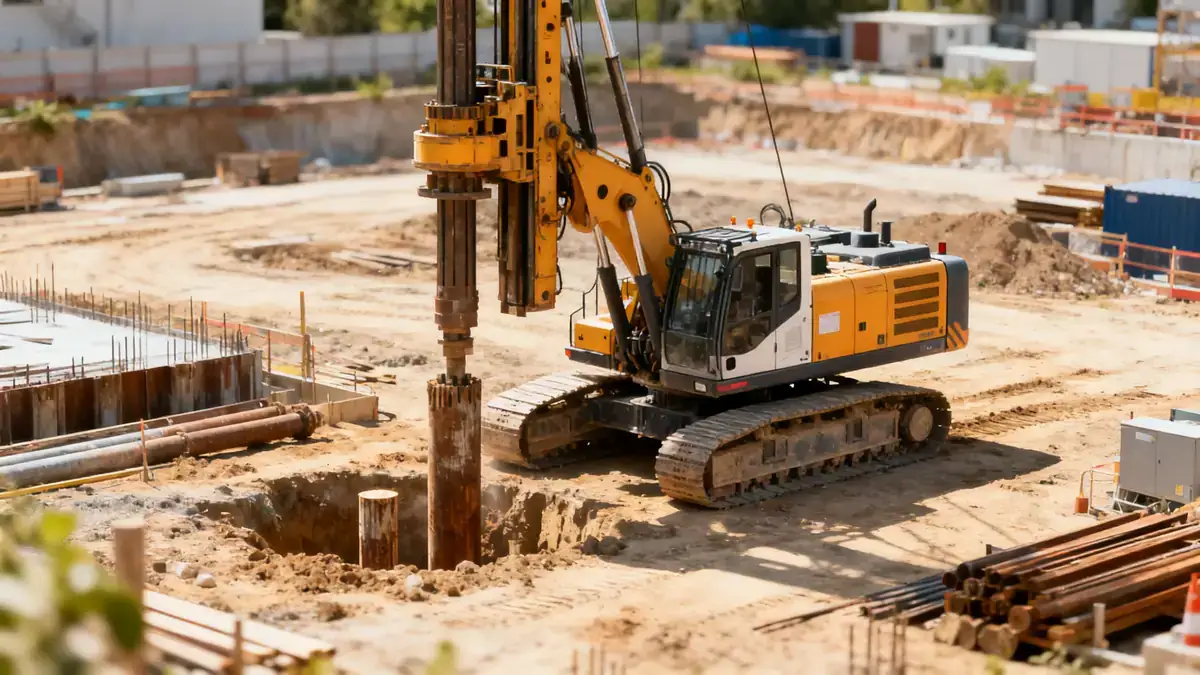
Our methodology for geotechnical engineering in Minneapolis integrates standard penetration testing (SPT) per ASTM D1586, laboratory classification, and seismic hazard assessment per ASCE 7. We employ continuous sampling and in-situ testing to characterize soil stratigraphy, groundwater conditions, and engineering properties. For projects requiring detailed deformation analysis, we conduct consolidation and direct shear tests. Our approach ensures robust foundation design and compliance with local building codes, including the Minnesota State Building Code, which references the International Building Code (IBC) with state-specific amendments. We also provide specialized spt boring services for deep investigations.
Reference Technical Parameters
| Parameter | Reference Value |
|---|---|
| Predominant soil type | Glacial till, alluvial sand, lacustrine clay |
| Maximum seismic acceleration (PGA) | 0.15g (ASCE 7 Site Class D) |
| Typical groundwater level | 1.5–4.5 m below grade (river areas) |
| Bedrock depth | 15–30 m (Platteville Formation) |
| Typical N60 range (sand/till) | 10–40 blows/ft |
Local Considerations — Minneapolis
Geotechnical engineering in Minneapolis must account for five key factors: (1) glacial till and lacustrine clay deposits requiring careful bearing capacity analysis; (2) shallow groundwater near the Mississippi River necessitating dewatering and waterproofing; (3) moderate seismic hazard with PGA up to 0.15g per ASCE 7; (4) significant soil variability between downtown and suburban sites; and (5) common challenges like expansive clays and liquefaction potential in loose sands. Our team also coordinates with our soil mechanics laboratory for advanced testing. For broader regional context, our geotechnical engineering in Chicago provides analogous expertise.
Request a Quote
Our team reviews your project and issues an initial report at no cost.
Or write us directly at [email protected]
Services in Minneapolis
Applicable Standards
- ASTM D1586 (Standard Penetration Test)
- ASCE 7 (Minimum Design Loads for Buildings)
- International Building Code (IBC)
- Minnesota State Building Code
- ASTM D2487 (Unified Soil Classification System)
Frequently Asked Questions
What are the typical soil conditions in Minneapolis?
Soils vary from alluvial sands and silts along the Mississippi River to glacial tills and lacustrine clays in the suburbs. Groundwater is shallow near the river, typically 1.5–4.5 m deep. Bedrock (Platteville Formation) lies 15–30 m below grade.
Does Minneapolis have seismic design requirements?
Yes, per ASCE 7, Minneapolis falls in Seismic Design Category B or C with a maximum PGA of 0.15g (Site Class D). Structures must comply with IBC seismic provisions, including soil amplification factors and liquefaction assessment for loose sands.
Are geotechnical studies mandatory for construction in Minneapolis?
The Minnesota State Building Code requires geotechnical investigations for most new buildings and major renovations, especially in areas with suspect soils (e.g., fill, high water table). A geotechnical report is typically needed for foundation design, slope stability, and earthwork.