Methodology
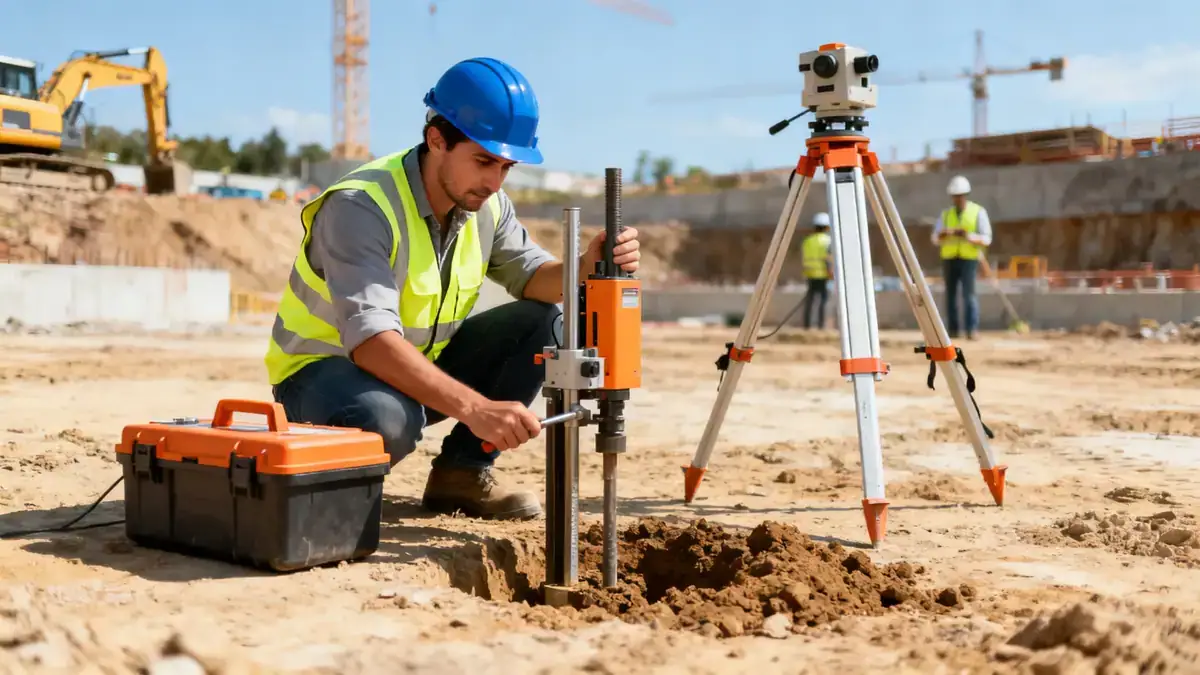
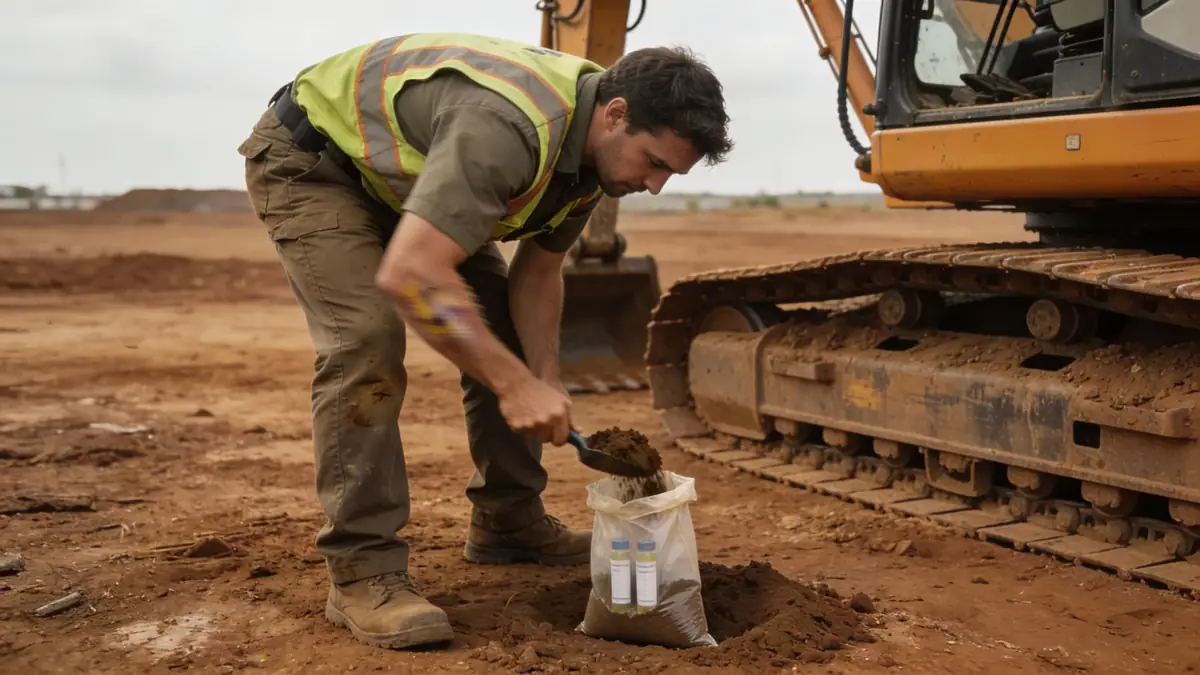
Our approach begins with a thorough review of existing geologic maps and historical groundwater data for Modesto. We then conduct field investigations, including spt boring at 1.0–1.5 m intervals per ASTM D1586, to depths of 10–15 m for typical structures. Soil samples are analyzed in our soil mechanics laboratory for index properties, strength, and consolidation parameters. This integrated methodology allows us to characterize subsurface variability and provide reliable design recommendations tailored to Modesto's alluvial environment.
Reference Technical Parameters
| Parameter | Reference Value |
|---|---|
| Predominant Soil Type | Clay and silt (alluvial) |
| Peak Ground Acceleration (PGA) | 0.3g (ASCE 7-16) |
| Typical Groundwater Depth | 3–6 m |
| Bedrock Depth | >30 m |
| Typical N60 Range | 10–30 blows/ft |
Local Considerations — Modesto
Modesto's alluvial soils often exhibit high plasticity and compressibility, requiring careful foundation design to mitigate settlement. The shallow groundwater table, typically 3–6 m deep, can impact excavation and necessitate dewatering. Seismic site classification per ASCE 7-16 typically falls into Site Class D or E due to soft soil profiles. Older neighborhoods may have undocumented fill, while newer developments often require deep foundations. A link to geotechnical engineering en Los Angeles provides perspective on regional practices.
Request a Quote
Our team reviews your project and issues an initial report at no cost.
Or write us directly at [email protected]
Services in Modesto
Applicable Standards
- ASTM D1586
- ASCE 7-16
- California Building Code (CBC)
- IBC 2021
Frequently Asked Questions
What soil types are common in Modesto?
Modesto's subsurface is dominated by alluvial clay and silt deposits from the Tuolumne River. These soils often have moderate to high plasticity and can be compressible, requiring careful geotechnical evaluation for foundation design.
How does seismic activity affect geotechnical engineering in Modesto?
Modesto lies in a seismically active region with a peak ground acceleration of 0.3g per ASCE 7-16. Soft soil profiles can amplify ground motions, making site-specific seismic hazard analysis and liquefaction assessment critical for safe design.
Are geotechnical studies mandatory for construction in Modesto?
Yes, the California Building Code requires geotechnical investigations for most new structures, particularly in areas with soft soils or high seismic risk. Local jurisdictions often enforce these requirements to ensure public safety.