Methodology
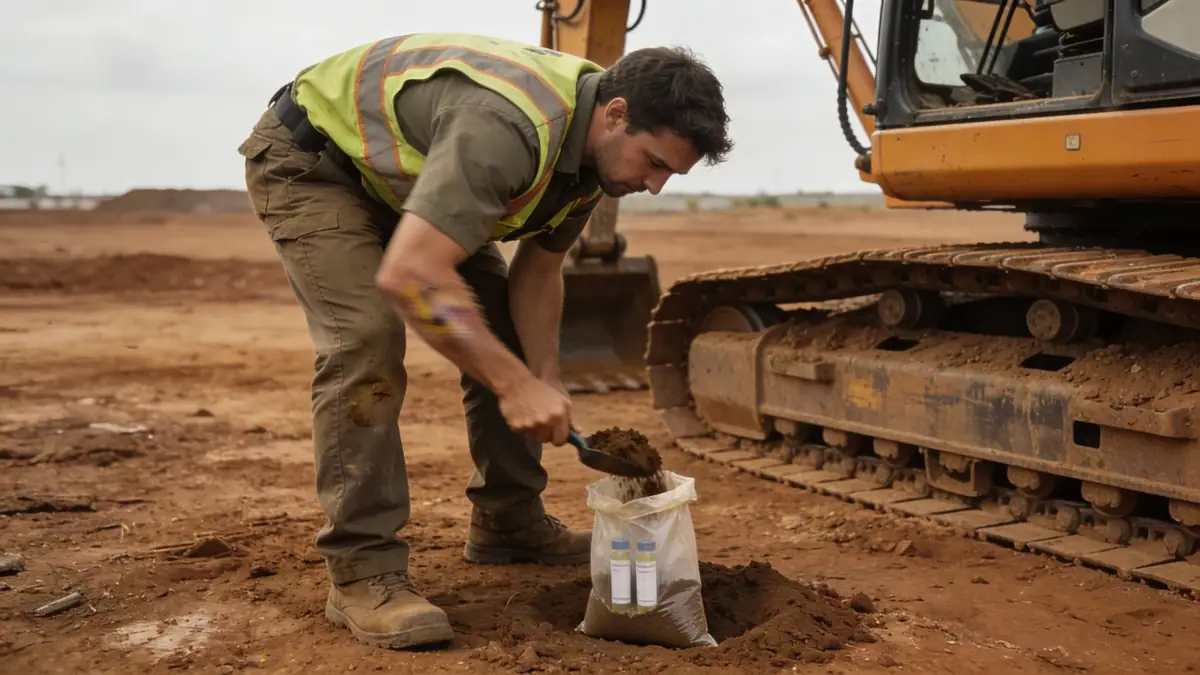
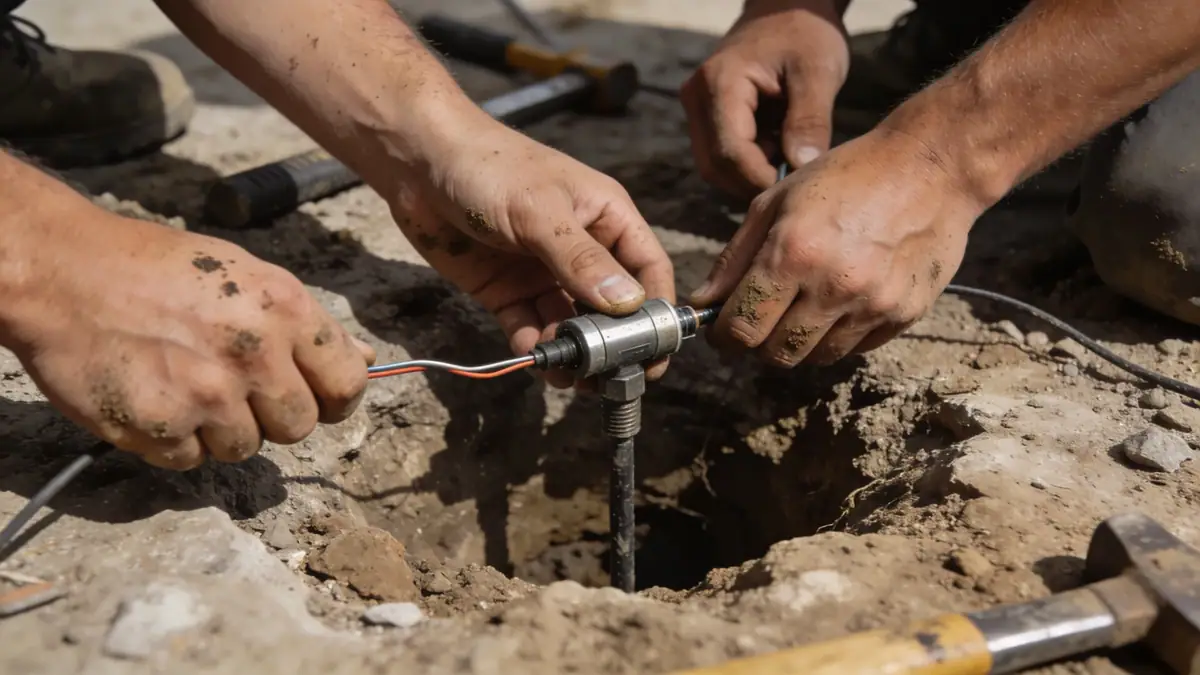
Our methodology for projects in Nashville begins with a comprehensive review of available geologic maps and existing boring logs to identify anticipated subsurface conditions. We then design a site-specific exploration program that typically includes standard penetration testing (SPT) in accordance with ASTM D1586, supplemented by continuous sampling in cohesive strata. Field operations are conducted by our experienced crews using truck-mounted drill rigs capable of reaching depths of 15 to 30 meters. Soil samples are retrieved for laboratory analysis, including classification, strength, and consolidation testing. Our approach integrates findings from spt boring with local experience to develop soil profiles and engineering parameters that support foundation design, slope stability assessments, and earthwork recommendations. All work is documented in detailed reports that align with Nashville's building code requirements.
Reference Technical Parameters
| Parameter | Reference Value |
|---|---|
| Predominant soil type | Clayey silt and silty clay (residual and alluvial) |
| Maximum seismic acceleration (PGA) | 0.15g to 0.20g (ASCE 7-16 Site Class C/D) |
| Typical groundwater level | 3 to 8 meters below ground surface |
| Bedrock depth | 5 to 30 meters (limestone/shale) |
| Typical N60 range | 4 to 30 blows per 0.3 m (variable with depth) |
Local Considerations — Nashville
Nashville lies within the Nashville Basin, a geologic province underlain by Ordovician limestone and shale. The soil mantle consists of residual clay derived from weathered bedrock, often with varying thickness and consistency. In the downtown area, fill and buried utilities are common, requiring careful assessment of existing conditions. The Cumberland River floodplain presents alluvial deposits with high groundwater and soft soils, demanding specialized foundation solutions. Our team routinely addresses these challenges by integrating local knowledge with advanced testing. For clients requiring regional oversight, our geotechnical engineering en Atlanta office provides additional support for projects across the Southeast. We also offer slope stability analysis for hillside developments common in the surrounding terrain.
Request a Quote
Our team reviews your project and issues an initial report at no cost.
Or write us directly at [email protected]
Services in Nashville
Applicable Standards
- ASTM D1586 (Standard Penetration Test)
- ASCE 7-16 (Minimum Design Loads and Associated Criteria for Buildings and Other Structures)
- International Building Code (IBC) 2021
- Nashville Metro Code of Ordinances – Chapter 17 (Building and Construction)
Frequently Asked Questions
What are the typical soil conditions encountered in Nashville?
Nashville soils are predominantly residual clays and silts derived from weathering of limestone and shale. Alluvial deposits near the Cumberland River consist of soft clays, silts, and sands. Groundwater levels vary, typically ranging from 3 to 8 meters deep. Bedrock depth can range from 5 to over 30 meters.
Is a geotechnical investigation required for building permits in Nashville?
Yes, the Nashville Metro Code requires a geotechnical investigation for most commercial and multi-family residential projects, particularly those with deep foundations, expansive soils, or seismic design. Single-family homes on stable sites may be exempt, but a site-specific study is recommended to mitigate risk.
How does the seismic hazard in Nashville affect foundation design?
Nashville is in a moderate seismic zone with peak ground accelerations of 0.15g to 0.20g per ASCE 7-16. Site class D (stiff soil) is common, requiring consideration of liquefaction potential and dynamic soil properties. Proper geotechnical evaluation ensures foundations meet code-prescribed lateral load resistance.