
Methodology
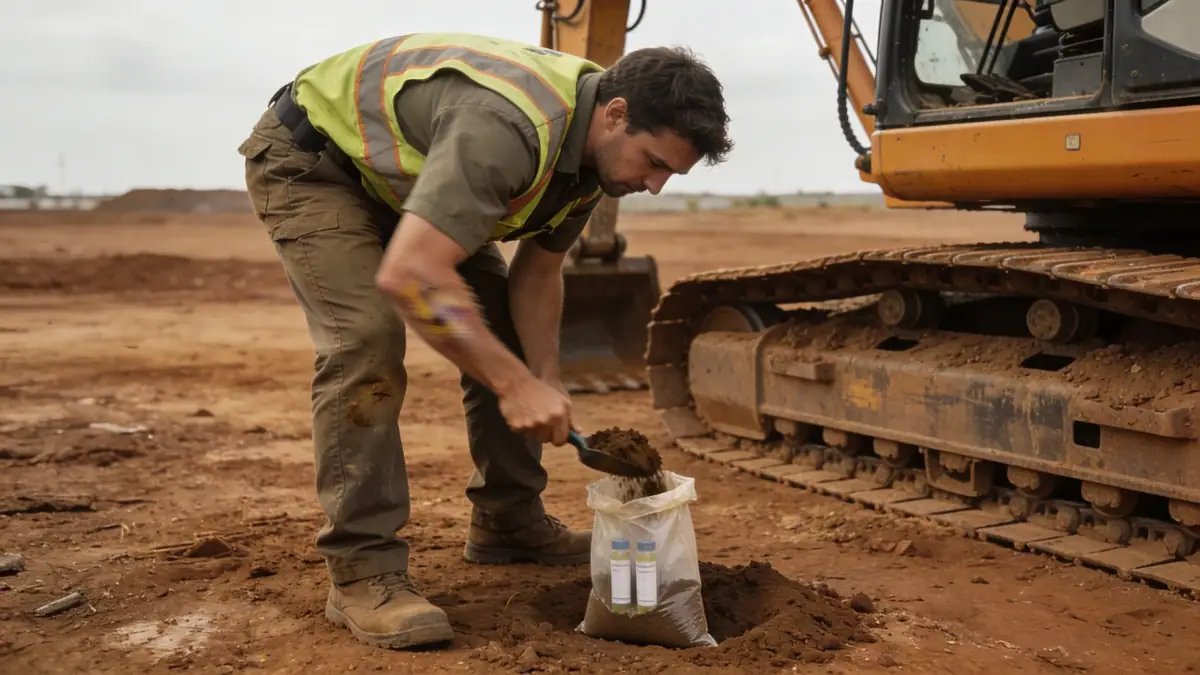
Our methodology for geotechnical engineering in New Orleans integrates field exploration, laboratory testing, and analytical modeling to characterize subsurface conditions. We perform standard penetration tests and cone penetration tests to evaluate soil stratigraphy and strength, with sampling intervals in accordance with ASTM D1586. Laboratory programs include index properties, consolidation, and direct shear tests to determine parameters for settlement and stability analyses. We utilize advanced numerical modeling for slope stability and retaining wall design, calibrated to local soil behavior. Our approach ensures that foundation recommendations are robust and compliant with applicable codes, such as the Louisiana Building Code and ASCE 7. For more on our field methods, visit our spt boring page.
Reference Technical Parameters
| Parameter | Reference Value |
|---|---|
| Predominant soil type | Soft clay and silt (Holocene alluvium) |
| Maximum seismic acceleration (PGA) | 0.15 g (ASCE 7, Site Class D) |
| Typical groundwater level | 1.5 to 3.0 m below ground surface |
| Depth to bedrock | > 300 m (deep sedimentary basin) |
| Typical N60 range (SPT) | 2 to 10 blows/0.3 m in soft clays |
Local Considerations — New Orleans
New Orleans is underlain by thick Holocene alluvial deposits consisting of soft clays, silts, and organic soils, with high compressibility and low shear strength. The shallow groundwater table (1.5–3 m) complicates excavation and necessitates dewatering. Seismic hazard is moderate, with a PGA of 0.15 g per ASCE 7, but liquefaction potential is significant in loose saturated sands. Differences exist between the natural levee ridges (better drainage, firmer soils) and backswamp areas (very soft, high organic content). Typical challenges include excessive settlement of shallow foundations and lateral earth pressures on retaining structures. For specific laboratory testing services, see our soil mechanics laboratory page. Our team also works closely with clients in geotechnical engineering en Houston to share regional expertise.
Request a Quote
Our team reviews your project and issues an initial report at no cost.
Or write us directly at [email protected]
Services in New Orleans
Applicable Standards
- ASTM D1586 (Standard Penetration Test)
- ASCE 7 (Minimum Design Loads for Buildings and Other Structures)
- Louisiana Building Code (based on IBC)
- Eurocode 7 (for international projects)
Frequently Asked Questions
What are the typical soil conditions in New Orleans for geotechnical engineering?
New Orleans soils are predominantly Holocene alluvial deposits: soft clays, silts, and organic soils with high water content. The shallow water table (1.5–3 m) and low bearing capacity require deep foundations or ground improvement for most structures.
Is seismic analysis required for geotechnical engineering in New Orleans?
Yes. According to ASCE 7, New Orleans has a moderate seismic hazard with a PGA of 0.15 g. Site-specific seismic analysis, including liquefaction evaluation, is required for critical structures per the Louisiana Building Code.
When is a geotechnical investigation mandatory in New Orleans?
Geotechnical investigations are required for all commercial buildings, multi-story residential structures, and infrastructure projects under the Louisiana Building Code. Site-specific subsurface exploration is necessary to design safe foundations and earthworks.