Methodology
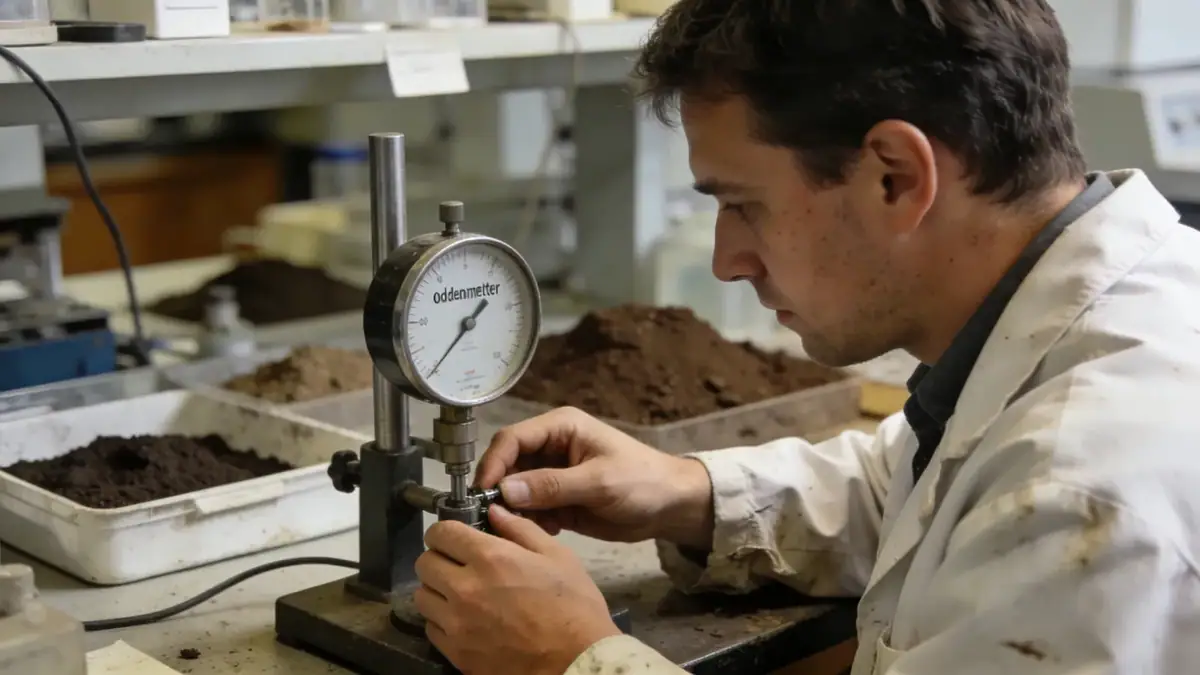
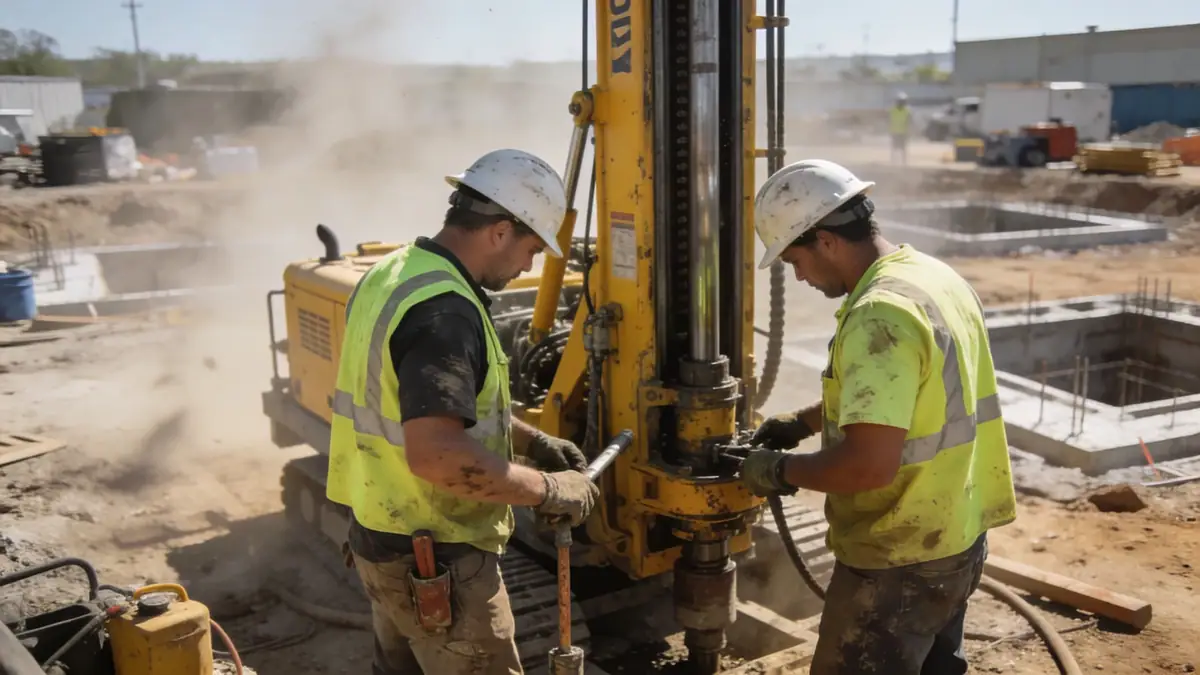
Our approach in Newark begins with a comprehensive desktop study of existing boring logs, geological maps, and seismic hazard data. Field investigations include standard penetration testing (SPT) per ASTM D1586 at intervals of 1.0 to 1.5 meters, typically reaching depths of 8 to 15 meters for residential structures and up to 30 meters for industrial facilities. We also deploy cone penetration testing (CPT) for continuous stratigraphic profiling. Laboratory testing follows ASTM standards for grain size distribution (D6913), Atterberg limits (D4318), and consolidation (D2435). All data are synthesized into a detailed geotechnical report addressing bearing capacity, settlement, and seismic design parameters tailored to Newark's conditions.
Reference Technical Parameters
| Parameter | Reference Value |
|---|---|
| Predominant soil type | Glacial till and alluvial sands/clays |
| Maximum seismic acceleration (PGA) | 0.2g (ASCE 7-22, Site Class D) |
| Typical groundwater level | 2–6 m below grade |
| Bedrock depth | Variable, 15–30 m (Newark Basin) |
| Typical N60 range | 5–30 blows/ft (sand/clay) |
Local Considerations — Newark
Newark's urban environment presents unique challenges: variable fill thickness from historical industrial activities, shallow groundwater requiring dewatering considerations, and potential for liquefaction in loose saturated sands during seismic events. Our team maps these conditions by neighborhood—downtown areas often have deeper fill, while residential wards may encounter glacial till at shallow depths. We coordinate with local building departments to ensure compliance with Newark's zoning and foundation codes. For projects requiring regional perspective, we collaborate with our geotechnical engineering en New York team, leveraging cross-market expertise for complex subsurface conditions.
Request a Quote
Our team reviews your project and issues an initial report at no cost.
Or write us directly at [email protected]
Services in Newark
Applicable Standards
- ASTM D1586 (Standard Penetration Test)
- ASCE 7-22 (Minimum Design Loads for Buildings and Other Structures)
- ASTM D2487 (Classification of Soils for Engineering Purposes)
- Newark Building Code (International Building Code with local amendments)
Frequently Asked Questions
What soil types are commonly encountered in Newark?
Newark soils are predominantly glacial till (sand, silt, clay with gravel) and alluvial deposits along the Passaic River. Urban areas contain variable fill from prior industrial use. Bedrock consists of Newark Basin sedimentary rocks at depths of 15–30 meters.
What seismic design criteria apply to Newark projects?
Newark falls under Seismic Design Category B per ASCE 7-22, with a mapped spectral acceleration Ss ~0.2g. Site-specific response spectra may be required for critical structures. Our analyses incorporate local soil amplification effects per the IBC.
Are geotechnical investigations mandatory for construction in Newark?
Yes, the Newark Building Code requires a geotechnical investigation for most new buildings and additions. The report must address bearing capacity, groundwater, and seismic hazards. Our firm prepares reports that satisfy all local review requirements.