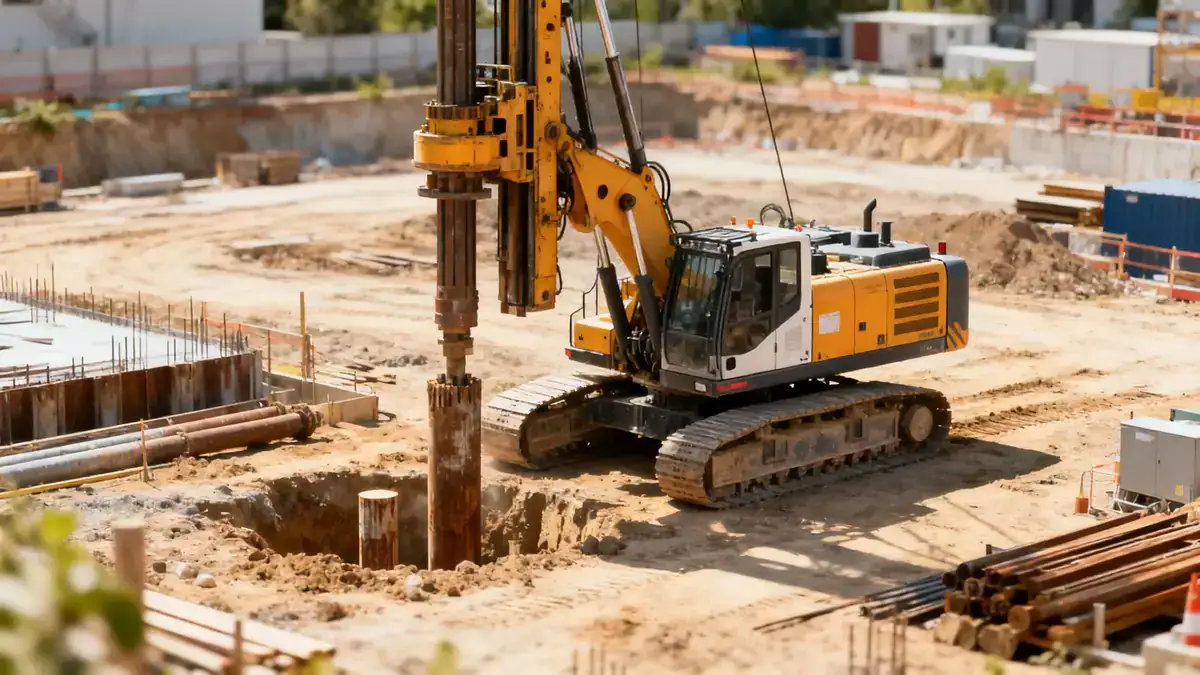
Methodology
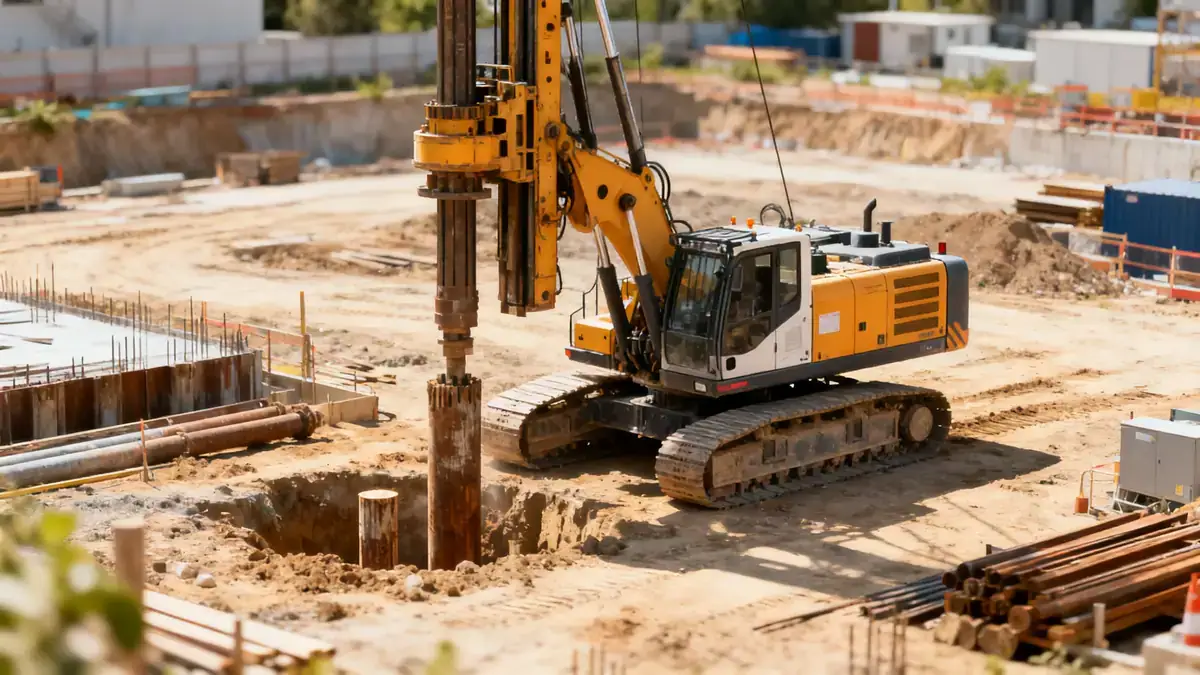
Our approach to geotechnical engineering in Norfolk begins with a thorough review of existing geologic maps and nearby project records. We then perform field investigations including spt boring to obtain soil samples and measure standard penetration resistance (N60) at regular intervals. Laboratory testing follows ASTM standards to determine index properties, strength, and consolidation characteristics. Our analysis considers the local water table, seismic site classification per ASCE 7, and typical bearing capacities for shallow and deep foundations. The integrated methodology ensures that our recommendations are both conservative and cost-effective for Norfolk's variable subsurface conditions.
Reference Technical Parameters
| Parameter | Reference Value |
|---|---|
| Predominant soil type | Sands, silts, and clays (Norfolk Formation) |
| Maximum seismic acceleration (PGA) | 0.15g (Site Class D per ASCE 7-16) |
| Typical groundwater level | 1.5–3.0 m below ground surface |
| Bedrock depth | >30 m (deep sedimentary basin) |
| Typical N60 range (sands) | 8–25 blows/ft |
Local Considerations — Norfolk
Norfolk's geology is dominated by the Norfolk Formation, a sequence of Pleistocene marine sands and clays interbedded with Holocene alluvium. The shallow water table often requires dewatering during excavation and influences foundation selection. Seismic site class is typically D, with a mapped PGA of 0.15g per ASCE 7. Local zoning and building codes adopt the Virginia Uniform Statewide Building Code (USBC), which references international standards. Our team has extensive experience with the contrasting soil conditions between downtown (fill over older deposits) and suburban areas (natural sands and clays). We also offer soil mechanics laboratory testing to refine design parameters for Norfolk's coastal environment.
Request a Quote
Our team reviews your project and issues an initial report at no cost.
Or write us directly at [email protected]
Services in Norfolk
Applicable Standards
- ASTM D1586 (Standard Penetration Test)
- ASCE 7-16 (Minimum Design Loads for Buildings)
- Virginia Uniform Statewide Building Code (USBC)
- ASTM D2487 (Classification of Soils for Engineering Purposes)
Frequently Asked Questions
What are the typical soil conditions for foundations in Norfolk?
Soils in Norfolk consist mainly of sands, silts, and clays of the Norfolk Formation. Groundwater is shallow, often within 2 m of the surface. Bearing capacities for shallow foundations typically range from 100 to 200 kPa for sands, while deeper pile foundations may be required in soft clay layers.
Does Norfolk have seismic design requirements?
Yes. Per ASCE 7-16, Norfolk is in Seismic Design Category B with a mapped PGA of 0.15g. Site class is generally D due to deep soft soils. A geotechnical investigation is required to determine site-specific seismic coefficients and liquefaction potential for most commercial structures.
Is a geotechnical study mandatory for construction in Norfolk?
The Virginia USBC requires a geotechnical investigation for most commercial and multi-family residential projects. Single-family homes may not require a full study, but a soil report is recommended due to variable subsurface conditions and high water table. Local jurisdictions may have additional requirements.