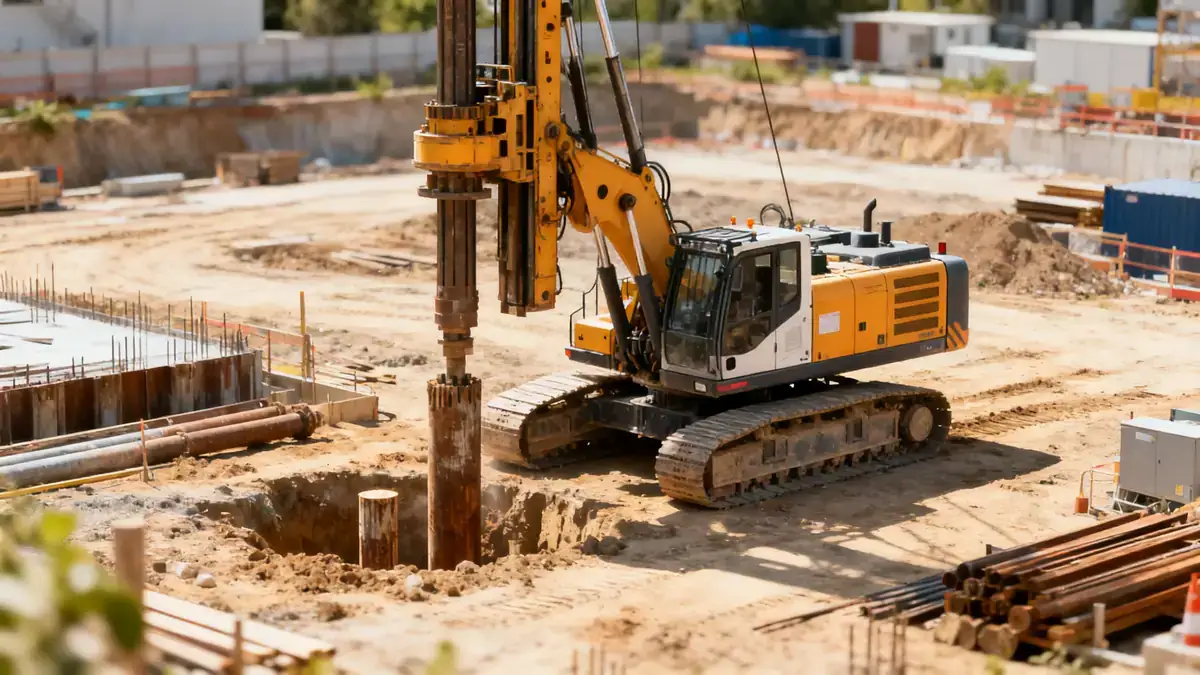
Methodology
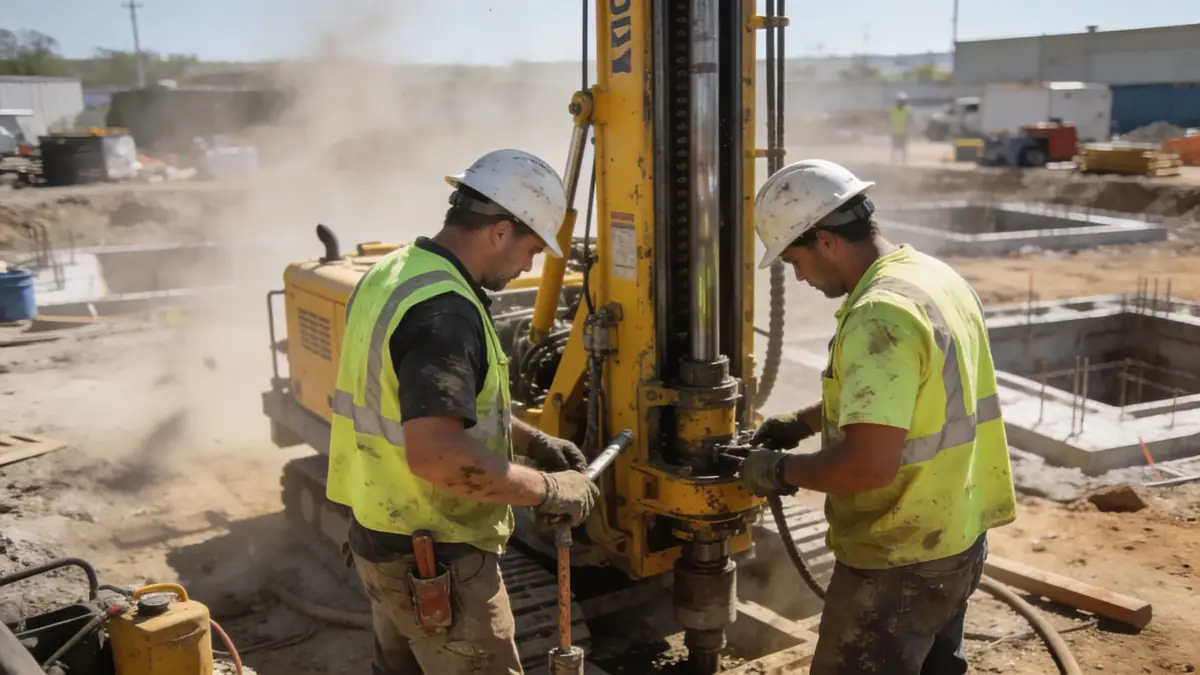
Our methodology for geotechnical engineering in Oakland follows a systematic approach tailored to the site's geologic context. We begin with a desk study of existing geologic maps and records, followed by field investigations including test pits and boreholes. In situ testing, such as spt boring, is performed to obtain soil samples and measure resistance. Laboratory tests determine soil classification, strength, and consolidation properties. All work adheres to ASTM standards and local building codes. The results are synthesized into a geotechnical report that provides recommendations for foundation design, earthwork, and seismic mitigation, ensuring compliance with Oakland's stringent seismic regulations.
Reference Technical Parameters
| Parameter | Reference Value |
|---|---|
| Predominant soil type | Alluvial clay, sand, and gravel; colluvium and bedrock in hills |
| Maximum seismic acceleration (PGA) | 0.5g to 0.7g (ASCE 7-16, Site Class D) |
| Typical groundwater level | 2–5 ft below grade in lowlands; >20 ft in hills |
| Bedrock depth | 0–10 ft in hills; >100 ft in alluvial plains |
| Typical N60 range | 5–30 blows/ft (variable by depth and location) |
Local Considerations — Oakland
Oakland's geology is shaped by the Hayward Fault, a major seismic source. The city is divided into two distinct geotechnical zones: the flatlands (alluvial and bay mud deposits) and the hills (Franciscan Complex bedrock). In the flatlands, high groundwater and liquefaction potential require deep foundations or ground improvement. In the hills, slope stability and landslide hazards are critical. Our team integrates site-specific data with regional seismic hazard maps to design cost-effective solutions. For clients seeking regional expertise, we also offer geotechnical engineering en Los Angeles, leveraging similar seismic frameworks.
Request a Quote
Our team reviews your project and issues an initial report at no cost.
Or write us directly at [email protected]
Services in Oakland
Applicable Standards
- ASTM D1586 (Standard Penetration Test)
- ASCE 7-16 (Minimum Design Loads for Buildings)
- California Building Code (CBC) 2022
- Oakland Municipal Code (Title 15)
Frequently Asked Questions
What are the typical soil types encountered in Oakland?
Soils vary from soft bay mud and alluvial clays in the flatlands to stiff clays, sands, and weathered bedrock in the hills. The Franciscan Complex bedrock consists of sandstone, shale, and chert. Understanding these variations is essential for foundation design.
How does the Hayward Fault affect geotechnical design in Oakland?
The Hayward Fault poses significant seismic risk, requiring site-specific hazard analysis. Design must account for strong ground shaking, fault rupture, liquefaction, and lateral spreading. Our reports include seismic parameters per ASCE 7-16 for appropriate structural design.
Are geotechnical studies mandatory for construction in Oakland?
Yes, for most new buildings and additions, the City of Oakland requires a geotechnical investigation report. This is especially important in seismic hazard zones and hillside areas. The report must address soil conditions, foundation recommendations, and slope stability.