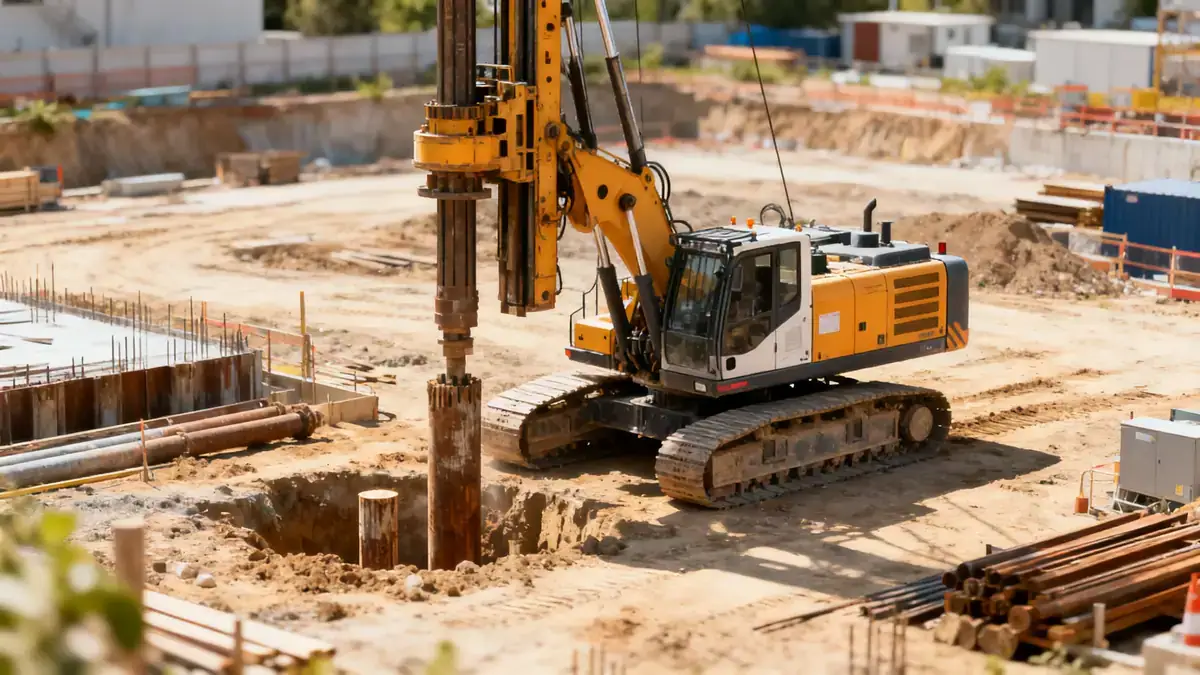
Methodology
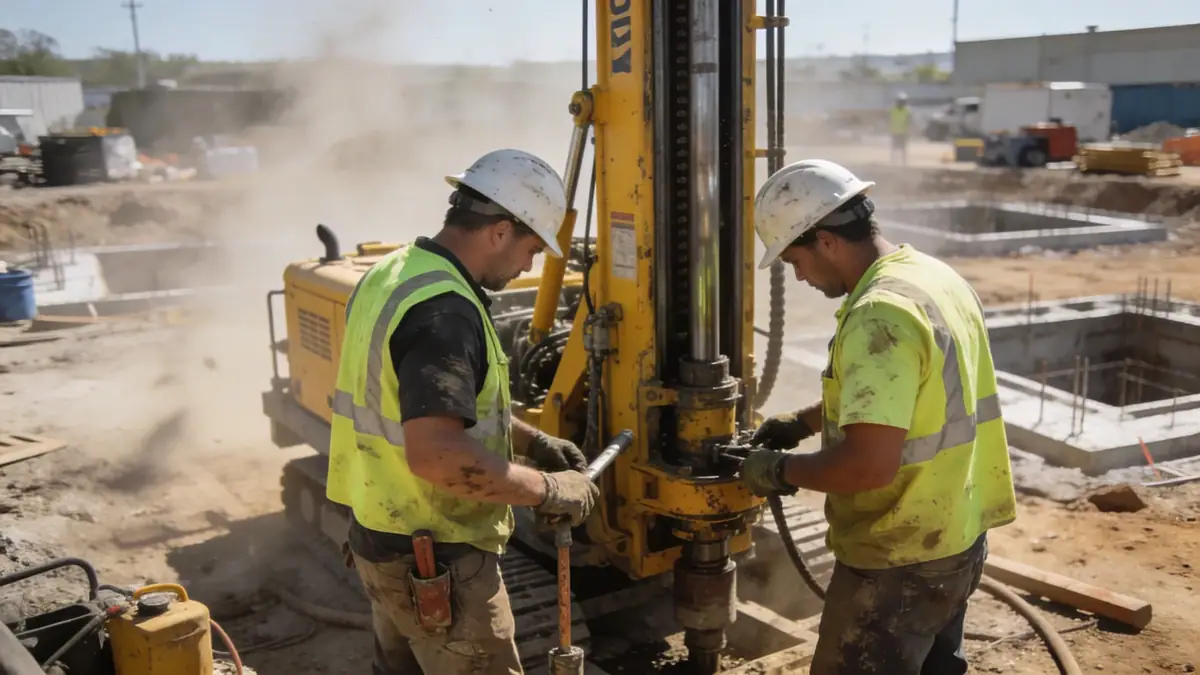
Our methodology for geotechnical engineering in Oceanside begins with a detailed site reconnaissance and review of existing geological data. We employ spt boring to obtain soil samples at regular intervals, following ASTM D1586. In the laboratory, we conduct index tests, including grain size analysis and Atterberg limits, to classify soils. For seismic evaluations, we apply ASCE 7 criteria to determine site coefficients and liquefaction potential. This integrated approach ensures that foundation designs are optimized for Oceanside's subsurface conditions.
Reference Technical Parameters
| Parameter | Reference Value |
|---|---|
| Predominant soil type | Silty sand and clay (coastal alluvium) |
| Maximum seismic acceleration (PGA) | 0.4g (ASCE 7 Seismic Design Category D) |
| Typical groundwater level | 2–4 m below ground surface |
| Bedrock depth | 10–20 m (variable) |
| Typical N60 range | 5–25 blows/0.3 m |
Local Considerations — Oceanside
1. Soil Conditions: Oceanside's coastal plain features loose to medium dense sands and soft clays, requiring careful evaluation of bearing capacity and settlement. 2. Groundwater: Shallow water tables (2–4 m) necessitate dewatering plans and waterproofing designs. 3. Seismicity: High seismic hazard (PGA up to 0.4g) demands site-specific response analyses per ASCE 7. 4. Liquefaction: Loose saturated sands are susceptible; mitigation may involve deep foundations or ground improvement. 5. Regulatory: Local building codes enforce strict geotechnical reporting and peer review. For regional context, our team also provides geotechnical engineering in Los Angeles services.
Request a Quote
Our team reviews your project and issues an initial report at no cost.
Or write us directly at [email protected]
Services in Oceanside
Applicable Standards
- ASTM D1586 (Standard Penetration Test)
- ASCE 7 (Minimum Design Loads for Buildings)
- California Building Code (CBC)
- ASTM D2487 (Unified Soil Classification System)
Frequently Asked Questions
What are the typical soil conditions encountered in Oceanside?
Oceanside's soils are predominantly silty sands and clays from coastal alluvium, with variable density and stiffness. Groundwater is shallow, and bedrock depth ranges from 10 to 20 m. These conditions require careful geotechnical investigation for foundation design.
How does seismic design affect geotechnical engineering in Oceanside?
Oceanside lies in a high seismic zone with a PGA of 0.4g per ASCE 7. Geotechnical engineers must evaluate liquefaction potential, site amplification, and lateral spreading. Special foundation systems and ground improvement are often necessary to meet code requirements.
Are geotechnical studies mandatory for construction in Oceanside?
Yes, most building permits in Oceanside require a geotechnical report as part of the California Building Code compliance. The report must address soil bearing capacity, seismic hazards, and foundation recommendations, and is typically reviewed by the city building department.