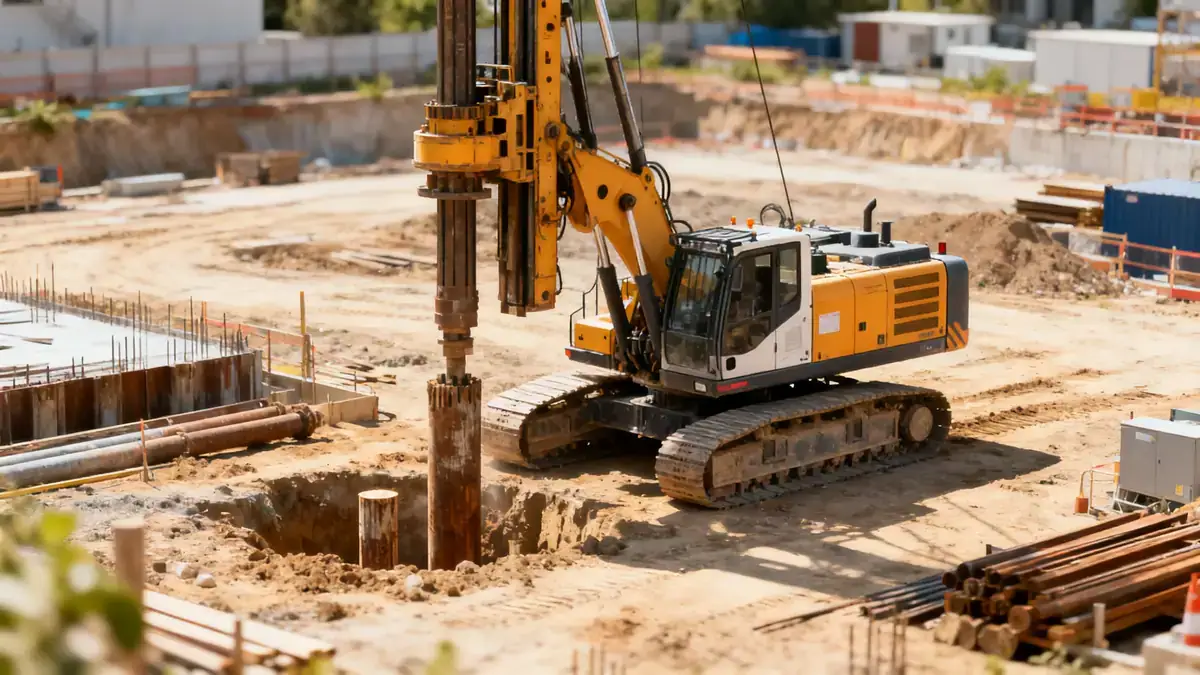
Methodology
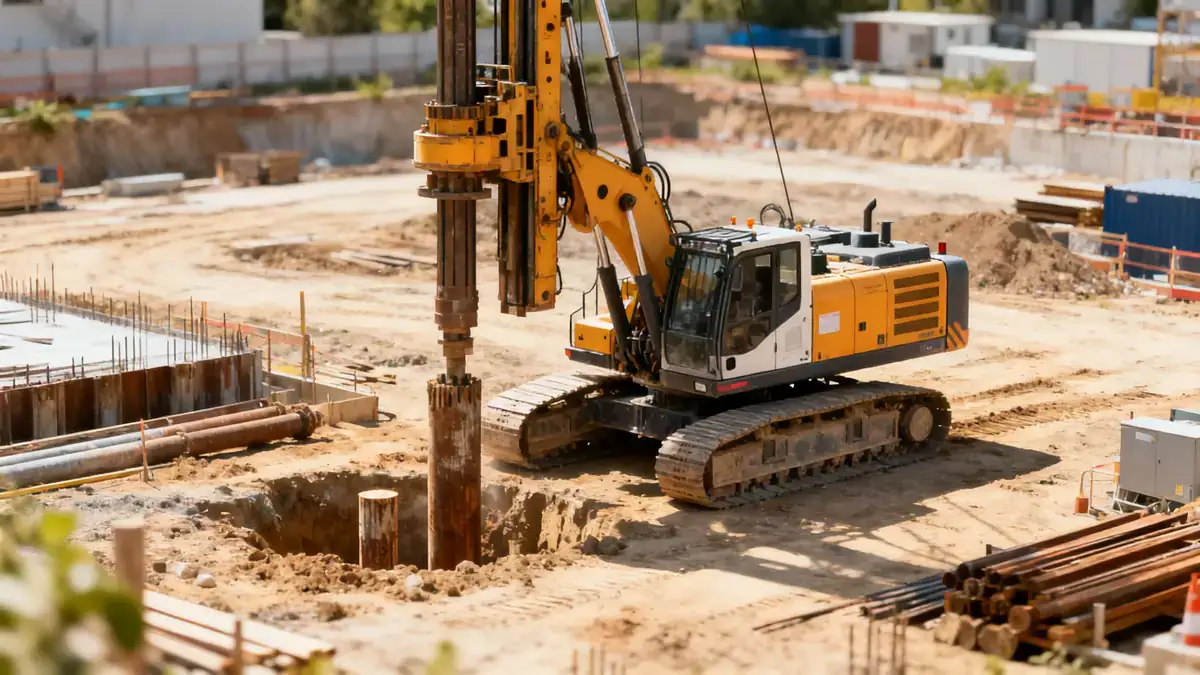
Our methodology for geotechnical engineering in Oklahoma City begins with a thorough review of existing geologic maps and project specifications. We then execute a site-specific exploration program, typically involving spt boring at intervals of 1.5 meters to assess subsurface conditions. Soil samples are retrieved for laboratory testing, including Atterberg limits, grain size distribution, and unconfined compressive strength. Groundwater levels are monitored during drilling and through standpipe piezometers. Seismic site classification per ASCE 7 is performed based on shear wave velocity measurements or N60 values. All data is synthesized into a comprehensive report with foundation recommendations tailored to the site.
Reference Technical Parameters
| Parameter | Reference Value |
|---|---|
| Predominant soil type | Expansive clay (Chisholm series) and sandy loam |
| Maximum seismic acceleration (PGA) | 0.10–0.15 g (ASCE 7, Site Class D) |
| Typical groundwater level | 3–8 m below ground surface |
| Bedrock depth | 10–30 m (Permian-age shale and sandstone) |
| Typical N60 range | 5–25 blows/ft for clay; 15–40 blows/ft for sand |
Local Considerations — Oklahoma City
Oklahoma City's geology is dominated by Permian red beds, including expansive clays that pose shrink-swell risks. The water table fluctuates seasonally, impacting excavation stability and foundation moisture control. Seismic hazard is moderate, with peak ground accelerations around 0.10–0.15 g, requiring site-specific response analysis per ASCE 7. Downtown areas often encounter fill and buried utilities, while suburban developments face variable alluvial deposits. Our team integrates these factors into every project, referencing our slope stability expertise for graded sites and our retaining wall design for below-grade structures. Additionally, our practice is informed by our broader experience from geotechnical engineering en Houston.
Request a Quote
Our team reviews your project and issues an initial report at no cost.
Or write us directly at [email protected]
Services in Oklahoma City
Applicable Standards
- ASTM D1586 (Standard Penetration Test)
- ASCE 7 (Minimum Design Loads for Buildings)
- IBC (International Building Code)
- Oklahoma Department of Transportation (ODOT) Specifications
Frequently Asked Questions
What are the typical soil conditions in Oklahoma City?
Soils predominantly consist of expansive clays (Chisholm, Renfrow series) with high plasticity, underlain by sandy loam and weathered shale. Groundwater is generally encountered at depths of 3–8 m, and bedrock (Permian shale/sandstone) lies 10–30 m deep.
Is seismic design required for structures in Oklahoma City?
Yes, Oklahoma City is in Seismic Design Category C per ASCE 7. Site-specific ground motion analysis is recommended for critical facilities. Peak ground acceleration ranges from 0.10 to 0.15 g, and soil amplification must be considered for soft clay sites.
Are geotechnical studies mandatory for construction in Oklahoma City?
While not always legally mandated for all projects, most building permits require a geotechnical report for commercial and multi-family structures. The city follows IBC guidelines, and lenders often require subsurface investigations for risk management.