Methodology
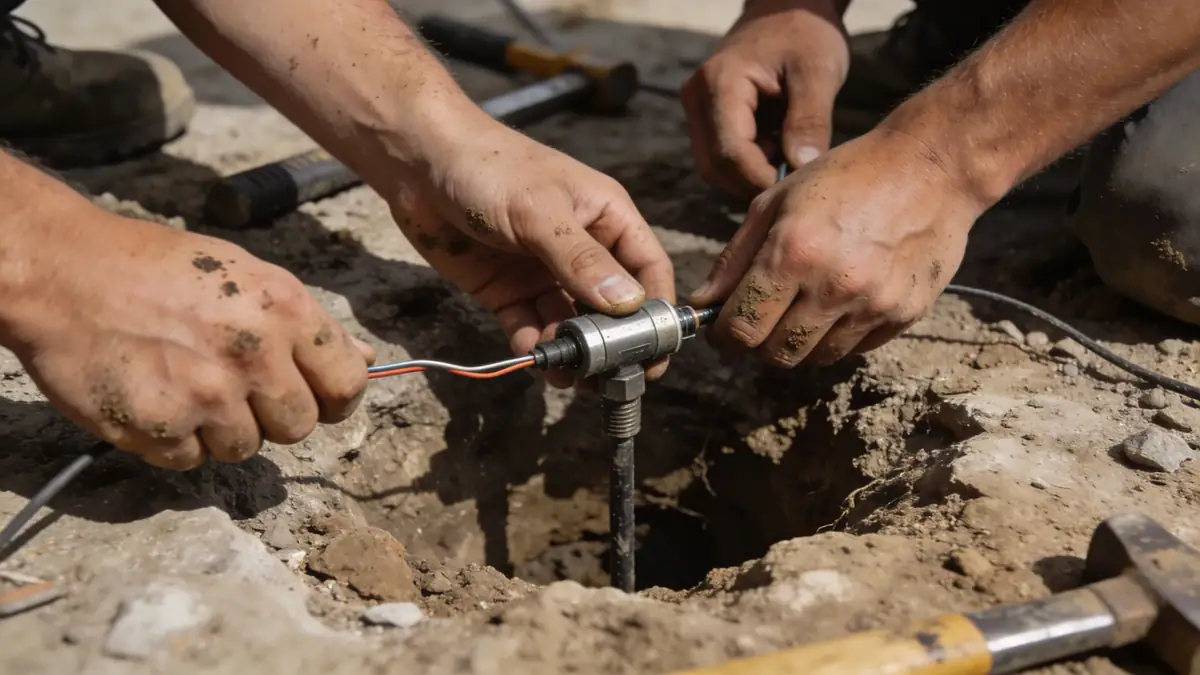
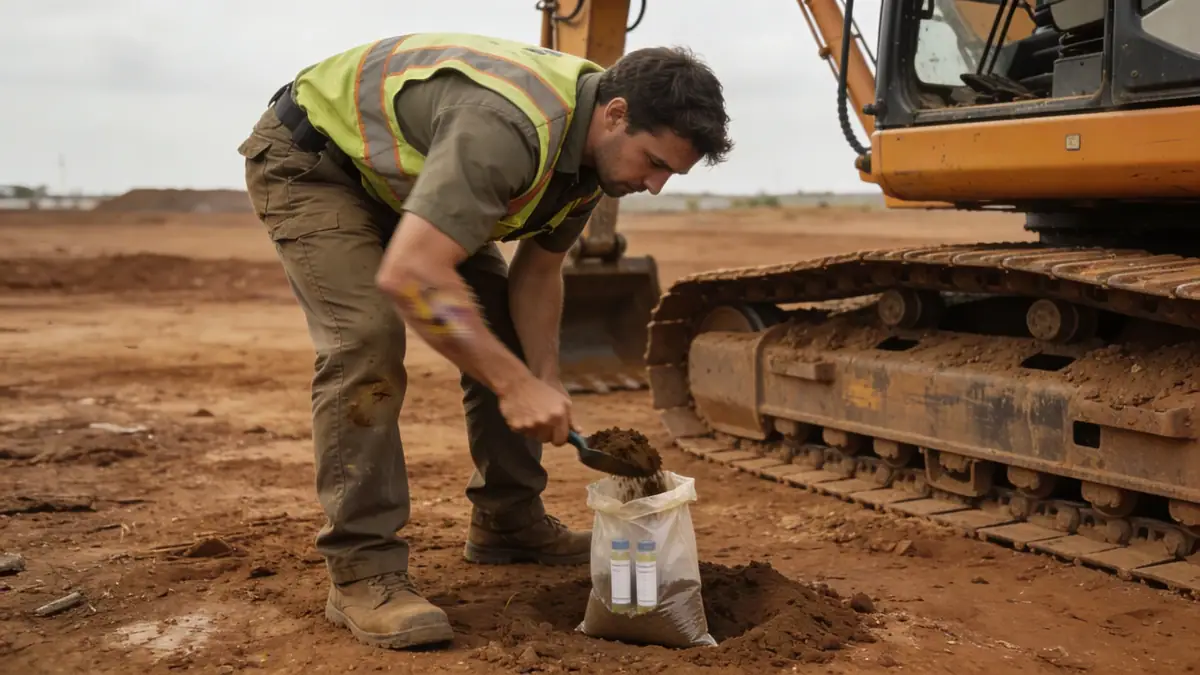
Our methodology for geotechnical engineering in Omaha integrates standard penetration testing (SPT) per ASTM D1586, continuous soil sampling, and laboratory analysis to characterize subsurface stratigraphy. We employ a phased approach: preliminary site reconnaissance, field exploration using equipment such as hollow-stem augers and split-spoon samplers, and subsequent laboratory testing including grain size distribution and Atterberg limits. Data interpretation is performed using established correlations for glacial tills and loess, with particular attention to liquefaction potential under seismic loading. For advanced projects, we utilize spt boring techniques to obtain reliable N-values at 1.5-meter intervals, providing essential data for foundation design.
Reference Technical Parameters
| Parameter | Reference Value |
|---|---|
| Predominant soil type | Glacial till (silty clay to sandy silt) with loess deposits |
| Maximum seismic acceleration (PGA) | 0.15g (ASCE 7-16, Site Class D) |
| Typical groundwater level | 3–6 m below ground surface |
| Bedrock depth | 10–30 m (Pennsylvanian limestone/shale) |
| Typical N60 range (SPT) | 8–25 blows/0.3 m in glacial till |
Local Considerations — Omaha
Omaha's geology presents unique challenges for geotechnical engineering. The widespread loess deposits are collapsible upon wetting, requiring careful moisture control during earthworks. Glacial till provides variable bearing capacity, with cobbles and boulders potentially impeding deep foundation installation. The Missouri River floodplain exhibits soft alluvial clays and high water tables, necessitating dewatering and ground improvement for basements. Our team addresses these conditions through targeted site investigations and risk-based design. For regional perspective, our geotechnical engineering en Chicago hub provides insights into similar glacial environments. Additionally, slope stability analysis is critical for bluff developments along the river corridor.
Request a Quote
Our team reviews your project and issues an initial report at no cost.
Or write us directly at [email protected]
Services in Omaha
Applicable Standards
- ASTM D1586 (Standard Penetration Test)
- ASCE 7-16 (Minimum Design Loads for Buildings)
- IBC 2021 (International Building Code)
- Omaha Municipal Code Chapter 34 (Excavations and Foundations)
Frequently Asked Questions
What are the typical soil types encountered in Omaha?
Omaha's soils consist primarily of glacial till (silty clay to sandy silt) and loess (wind-deposited silt). The till is dense and provides moderate bearing capacity, while loess can be collapsible when saturated. Alluvial deposits are found along the Missouri River.
Does Omaha have specific seismic design requirements?
Yes, Omaha is in Seismic Design Category B per ASCE 7-16, with a PGA of 0.15g. Structures must comply with IBC 2021 seismic provisions, including detailing for lateral loads and potential liquefaction in loose sands.
Are geotechnical studies mandatory for all construction in Omaha?
The Omaha Municipal Code requires geotechnical investigations for most new buildings and major additions, particularly those with basements or deep foundations. A report must address soil bearing capacity, groundwater, and seismic hazards.