Methodology
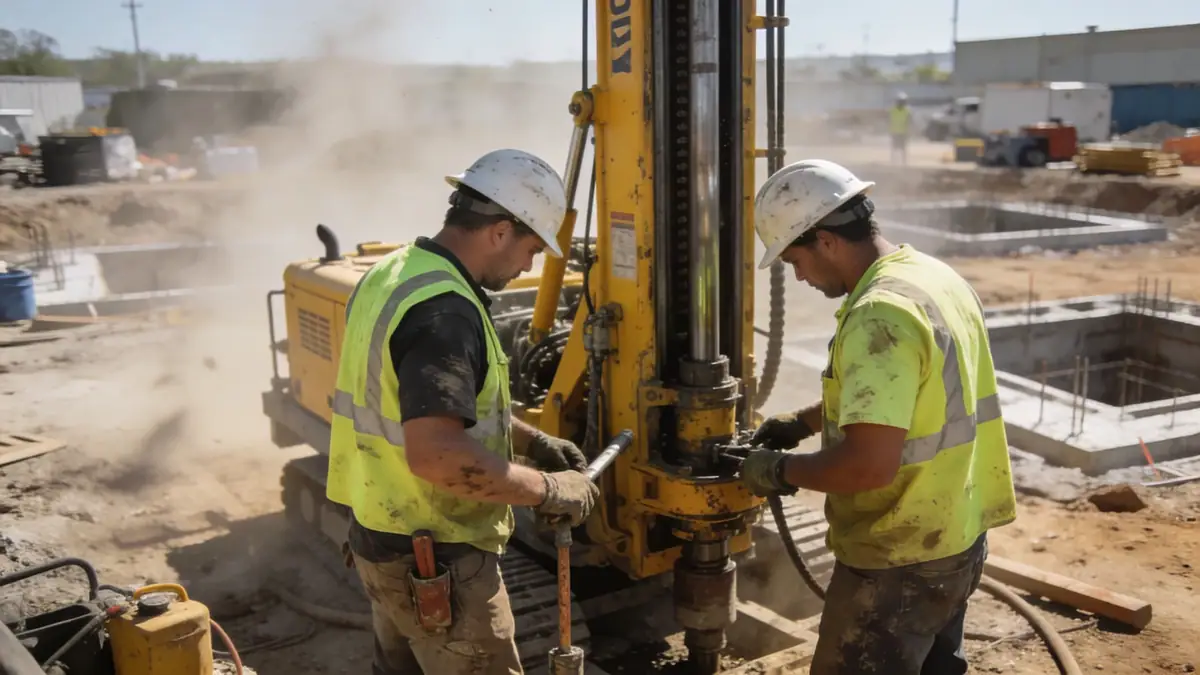
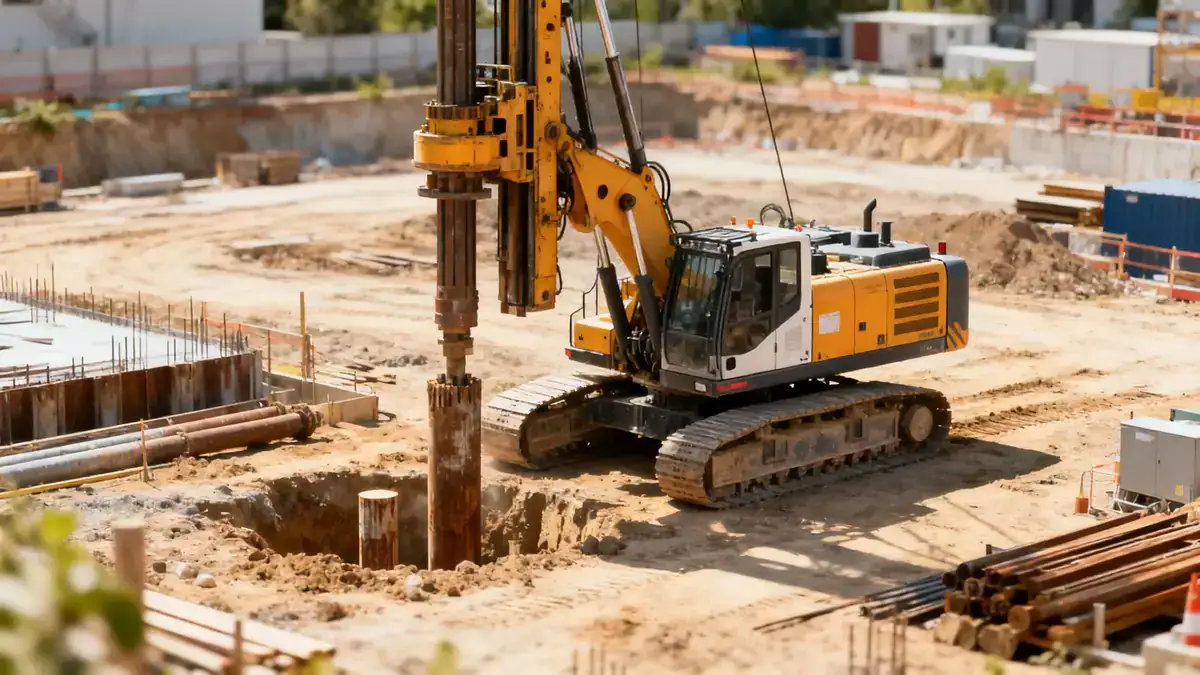
Our approach in Ontario California begins with a detailed review of existing geological maps and records. We then conduct site-specific investigations, including spt boring to obtain soil samples and measure N60 values, and in-situ testing to characterize subsurface conditions. Laboratory testing on recovered samples follows ASTM standards to determine index properties, strength, and consolidation parameters. Using these data, we develop geotechnical models that account for the region's seismic setting and groundwater fluctuations. This systematic methodology ensures that our recommendations are tailored to the unique conditions of each site in Ontario California.
Reference Technical Parameters
| Parameter | Reference Value |
|---|---|
| Predominant soil type | Sandy silts and silty sands (alluvial fan deposits) |
| Maximum seismic acceleration (PGA) | 0.4g to 0.6g (per ASCE 7, Site Class D) |
| Typical groundwater level | 15 to 30 feet below grade (varies seasonally) |
| Bedrock depth | 50 to 100+ feet (deep sedimentary basin) |
| Typical N60 range | 10 to 30 blows per foot (sandy layers) |
Local Considerations — Ontario California
Ontario California lies within the Los Angeles Basin, underlain by deep alluvial deposits from the San Gabriel and San Bernardino Mountains. The soil profile typically consists of interbedded sands, silts, and clays, with occasional gravel lenses. Groundwater is generally deep but can rise locally near recharge zones. Seismically, the city is influenced by the San Andreas and San Jacinto fault zones, requiring site-specific seismic hazard analysis per ASCE 7. Older neighborhoods may have undocumented fill, while new developments in the north face steeper slopes. Our team draws on experience from geotechnical engineering en Los Angeles to address these challenges.
Request a Quote
Our team reviews your project and issues an initial report at no cost.
Or write us directly at [email protected]
Services in Ontario California
Applicable Standards
- ASTM D1586 (Standard Test Method for SPT)
- ASCE 7 (Minimum Design Loads for Buildings)
- California Building Code (CBC, based on IBC)
- ASTM D2487 (Classification of Soils for Engineering Purposes)
Frequently Asked Questions
What are the typical soil conditions for geotechnical engineering in Ontario California?
Soils in Ontario California are predominantly alluvial deposits consisting of sands, silts, and clays. These materials can vary significantly over short distances, making site-specific exploration essential. The presence of deep groundwater and high seismic activity further influences foundation design.
Which seismic regulations apply to geotechnical engineering in Ontario California?
Ontario California follows the California Building Code (CBC), which adopts ASCE 7 for seismic design. Geotechnical reports must provide site-specific spectral accelerations and soil classification per ASCE 7 criteria. The region is classified as Seismic Design Category D or E, requiring rigorous analysis.
Is a geotechnical study mandatory for construction in Ontario California?
While not always legally required for every project, most building departments in Ontario California strongly recommend or require a geotechnical report for new structures, especially in areas with known soil or seismic hazards. Lenders and insurance companies may also mandate such studies for risk assessment.