Methodology
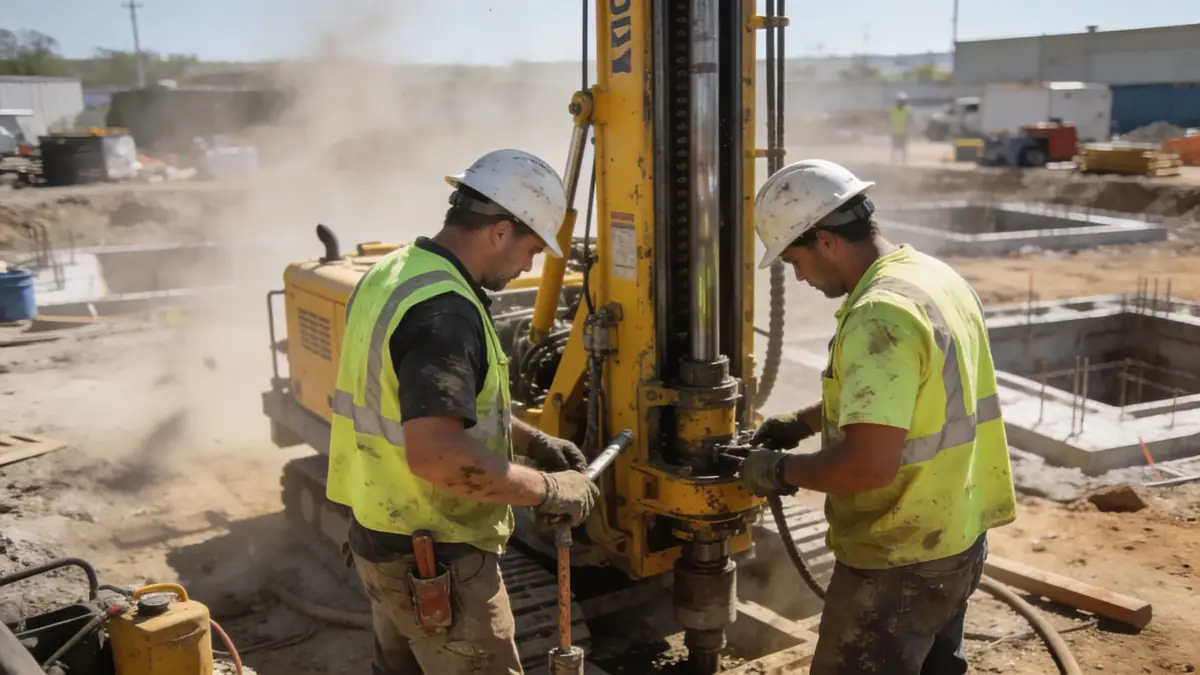
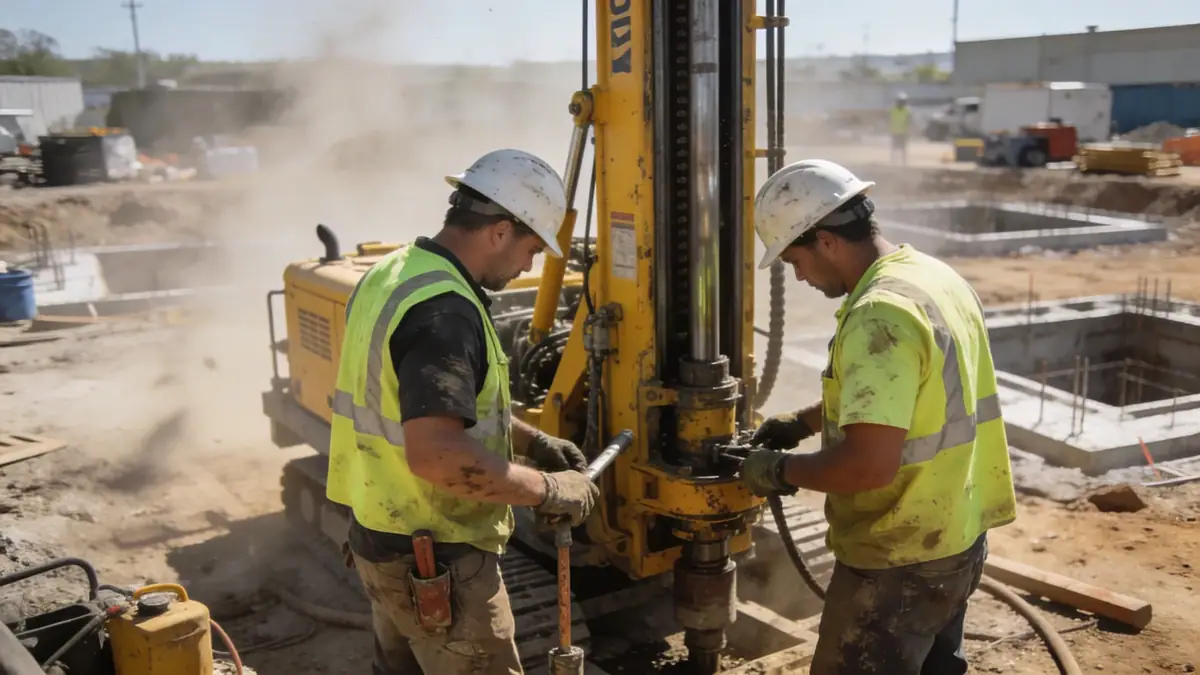
Our geotechnical methodology in Overland Park follows a phased approach, beginning with a desk study of regional geology and historical site data. Field investigations include spt boring at intervals of 1.0 to 1.5 meters per ASTM D1586, supplemented by cone penetration testing and test pits where appropriate. Laboratory testing covers index properties, strength, and consolidation characteristics. This data informs our analysis of bearing capacity, settlement, and seismic site response per ASCE 7-16. Our integrated approach ensures that each project receives a tailored investigation plan aligned with local conditions and regulatory expectations.
Reference Technical Parameters
| Parameter | Reference Value |
|---|---|
| Predominant Soil Type | Clay, silt, and glacial till |
| Maximum Seismic Acceleration (PGA) | 0.20–0.30 g (Site Class D) |
| Typical Groundwater Level | 3–6 m below surface |
| Bedrock Depth | 15–30 m (shale and limestone) |
| Typical N60 Range | 8–25 blows/ft (clay); 30–50 blows/ft (glacial till) |
Local Considerations — Overland Park
Overland Park's geology is dominated by glacial till and loess overlying Pennsylvanian shale and limestone. Key considerations for geotechnical engineering include: (1) presence of expansive clays requiring moisture control and deep foundations; (2) shallow groundwater in valleys necessitating dewatering and waterproofing; (3) seismic design per ASCE 7 with site class D; (4) variable bedrock depth affecting foundation type; (5) typical challenges include differential settlement on fill and pavement subgrade stability. Our team integrates these factors into every project, with reference to our soil mechanics laboratory for detailed characterization. For broader regional context, our geotechnical engineering en Chicago hub provides additional insights into similar Midwest conditions.
Request a Quote
Our team reviews your project and issues an initial report at no cost.
Or write us directly at [email protected]
Services in Overland Park
Applicable Standards
- ASTM D1586
- ASCE 7-16
- IBC 2021
- ASTM D2487 (USCS)
- ASTM D4318 (Atterberg Limits)
Frequently Asked Questions
What are the typical soil conditions encountered in Overland Park?
Overland Park soils predominantly consist of glacial till, containing clay, silt, sand, and gravel. Expansive clays are common, posing risks of heave and settlement. Loess deposits may also be present, requiring careful compaction and foundation design.
Is a geotechnical study required for residential construction in Overland Park?
While not always mandatory for single-family homes, local building authorities often recommend geotechnical investigations for projects on expansive soils or in seismic zones. A study can identify subsurface hazards and optimize foundation design, reducing long-term risks.
How does seismic activity affect geotechnical engineering in Overland Park?
Overland Park lies in a moderate seismic zone (PGA 0.20–0.30 g). Soil amplification, liquefaction in saturated sands, and lateral spreading are potential concerns. Geotechnical engineers evaluate site class and perform dynamic analyses per ASCE 7 to ensure structural safety.