Methodology
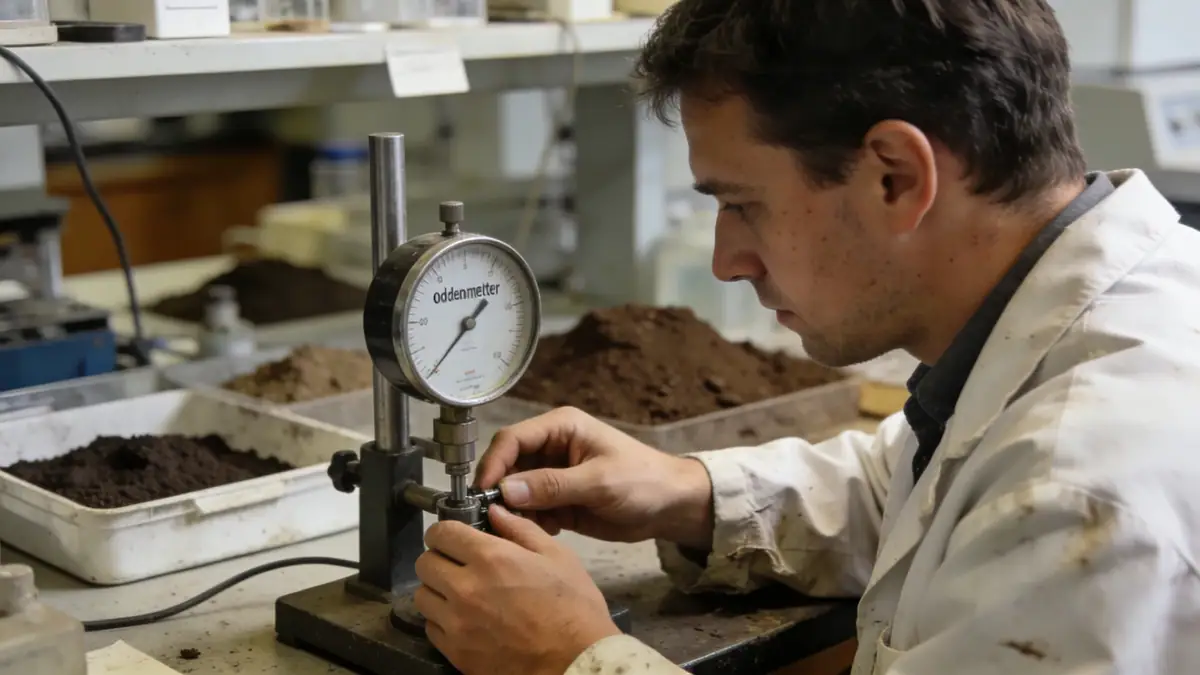
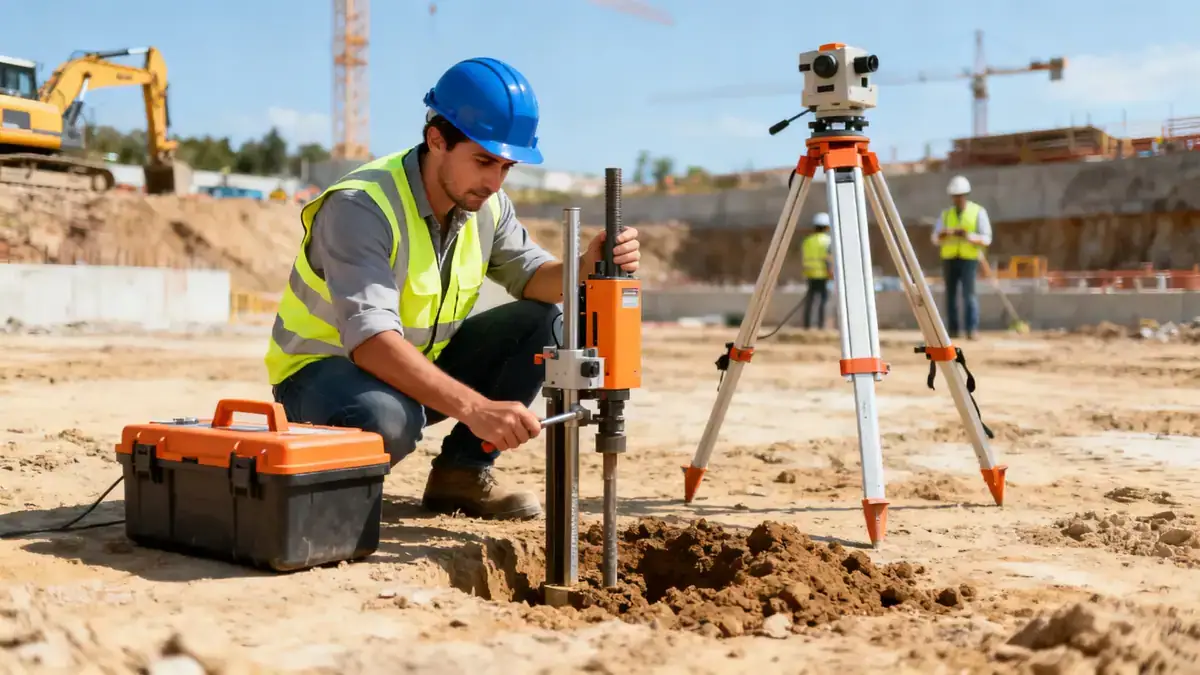
Our approach to geotechnical engineering in Pasadena California begins with a thorough review of existing geological maps and seismic hazard data for the region. We then conduct subsurface investigations using advanced techniques such as spt boring to obtain soil samples at regular intervals per ASTM D1586, supplemented by cone penetration tests and test pits. In our soil mechanics laboratory, we perform index properties tests, strength determinations, and consolidation analyses to characterize the alluvial and colluvial soils typical of Pasadena. Our methodology integrates site-specific seismic design parameters per ASCE 7, considering the proximity to active faults like the Raymond and Sierra Madre faults. This systematic process ensures that our geotechnical recommendations are both technically sound and fully compliant with local regulatory requirements.
Reference Technical Parameters
| Parameter | Reference Value |
|---|---|
| Predominant soil type | Alluvial sands, silts, and gravels with interbedded clay layers |
| Maximum seismic acceleration (PGA) | 0.4g to 0.6g (Site Class D, per ASCE 7) |
| Typical groundwater level | 10 to 30 feet below ground surface, variable seasonally |
| Bedrock depth | 50 to 200 feet, deeper in basin areas |
| Typical N60 range | 10 to 50 blows/ft in granular soils; 5 to 20 blows/ft in cohesive soils |
Local Considerations — Pasadena California
Pasadena California presents diverse geotechnical conditions influenced by its location at the base of the San Gabriel Mountains. The Raymond Fault traverses the city, necessitating detailed fault rupture hazard assessments. Alluvial fan deposits in the northern areas consist of coarse sands and gravels with high bearing capacity but potential for cobbles, while southern regions feature finer silts and clays with lower strength. Groundwater levels vary significantly, with shallow water tables near the Arroyo Seco. Hillside developments require slope stability analyses considering both static and seismic conditions. For comprehensive regional expertise, our team collaborates closely with our geotechnical engineering en Los Angeles hub to address cross-jurisdictional projects seamlessly.
Request a Quote
Our team reviews your project and issues an initial report at no cost.
Or write us directly at [email protected]
Services in Pasadena California
Applicable Standards
- ASTM D1586 (Standard Test Method for SPT)
- ASCE 7 (Minimum Design Loads for Buildings)
- California Building Code (CBC) 2022
- City of Pasadena Municipal Code – Grading and Excavation
- Caltrans Geotechnical Manual
Frequently Asked Questions
What soil types are commonly found in Pasadena California?
Pasadena's soils are primarily alluvial deposits from the San Gabriel Mountains, consisting of sands, silts, and gravels with occasional clay layers. Near the Raymond Fault, colluvial and older alluvial materials may be present, requiring careful characterization for foundation design.
What seismic design considerations apply to Pasadena California?
Pasadena lies in Seismic Design Category D per ASCE 7, with peak ground accelerations up to 0.6g. Near-fault effects from the Raymond and Sierra Madre faults must be evaluated. Site-specific response spectra are often required for critical structures.
Are geotechnical studies mandatory for construction in Pasadena California?
Yes, the City of Pasadena requires geotechnical reports for most new construction and significant additions, per the California Building Code and local grading ordinances. Hillside developments and projects near fault zones have additional requirements for fault rupture and slope stability analyses.