Methodology
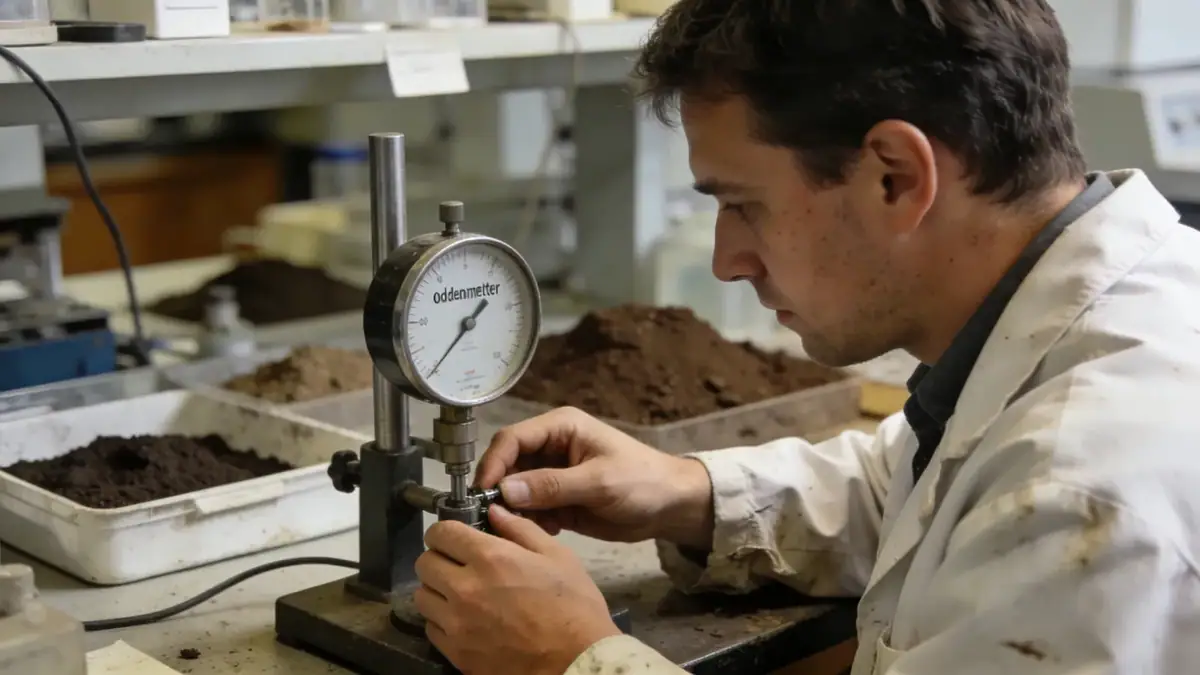
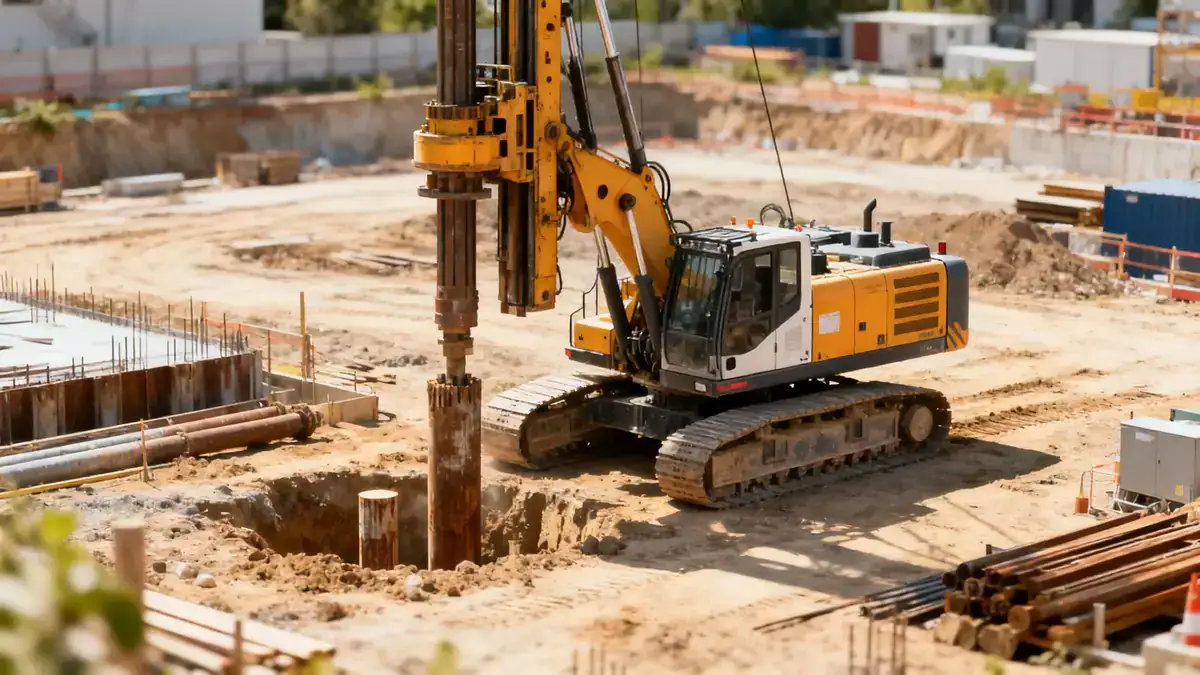
Our methodology for geotechnical engineering in Peoria Arizona begins with a comprehensive review of existing geologic maps and nearby project records. We then conduct field exploration programs, including spt boring at strategic locations to collect disturbed and undisturbed samples, following ASTM D1586 procedures. Laboratory testing focuses on index properties, strength parameters, and consolidation characteristics. Data synthesis involves developing soil profiles, calculating bearing capacities, and assessing settlement potential. Our analytical framework incorporates site-specific seismic hazard parameters per ASCE 7-22, ensuring designs comply with current building codes. We emphasize clear communication of findings through detailed reports that support informed decision-making for foundations, earthworks, and pavements.
Reference Technical Parameters
| Parameter | Reference Value |
|---|---|
| Predominant soil type | Silty sand (SM) and poorly graded sand (SP) |
| Maximum seismic acceleration (PGA) | 0.3g to 0.4g (MCE) |
| Typical groundwater level | 10 to 30 feet below grade |
| Bedrock depth | Greater than 100 feet (alluvium) |
| Typical N60 range | 10 to 40 blows per foot |
Local Considerations — Peoria Arizona
Peoria's subsurface is dominated by Quaternary alluvium derived from the surrounding mountains, typically consisting of interbedded sands, silts, and gravels with variable clay content. The shallow groundwater table, often encountered at depths of 10 to 30 feet, requires careful dewatering considerations for excavations. Seismic design parameters include a maximum considered earthquake (MCE) spectral response acceleration (Sₛ) of approximately 0.6g, placing much of Peoria in Seismic Design Category D. Older neighborhoods near the Agua Fria River may exhibit looser deposits, while newer developments in the north feature denser alluvial fans. Typical projects include single-family residences and low-rise commercial structures, where collapsible soils and expansive clays necessitate specific mitigation measures. For broader context, our practice coordinates with geotechnical engineering en Phoenix to ensure regional consistency.
Request a Quote
Our team reviews your project and issues an initial report at no cost.
Or write us directly at [email protected]
Services in Peoria Arizona
Applicable Standards
- ASTM D1586 (Standard Test Method for Standard Penetration Test)
- ASCE 7-22 (Minimum Design Loads and Associated Criteria for Buildings)
- IBC 2021 (International Building Code)
- City of Peoria Engineering Design Standards and Policies
Frequently Asked Questions
What are the typical soil conditions in Peoria, Arizona?
Soils in Peoria are predominantly Quaternary alluvium, consisting of interbedded sands, silts, and gravels. Collapsible and expansive soils are common in certain areas, requiring careful evaluation for foundation design.
Does Peoria require geotechnical investigations for new construction?
Yes, the City of Peoria mandates geotechnical investigations for most building permits, particularly for structures in Seismic Design Category D. Reports must address soil bearing capacity, settlement, and seismic site class per IBC 2021.
How is seismic hazard addressed in Peoria geotechnical reports?
Seismic hazard is evaluated using ASCE 7-22 procedures, including determination of site class (typically D or E), spectral accelerations (Sₛ, S₁), and liquefaction potential. These parameters guide foundation and structural design.